Christ in the Wilderness by Ivan Kramskoi
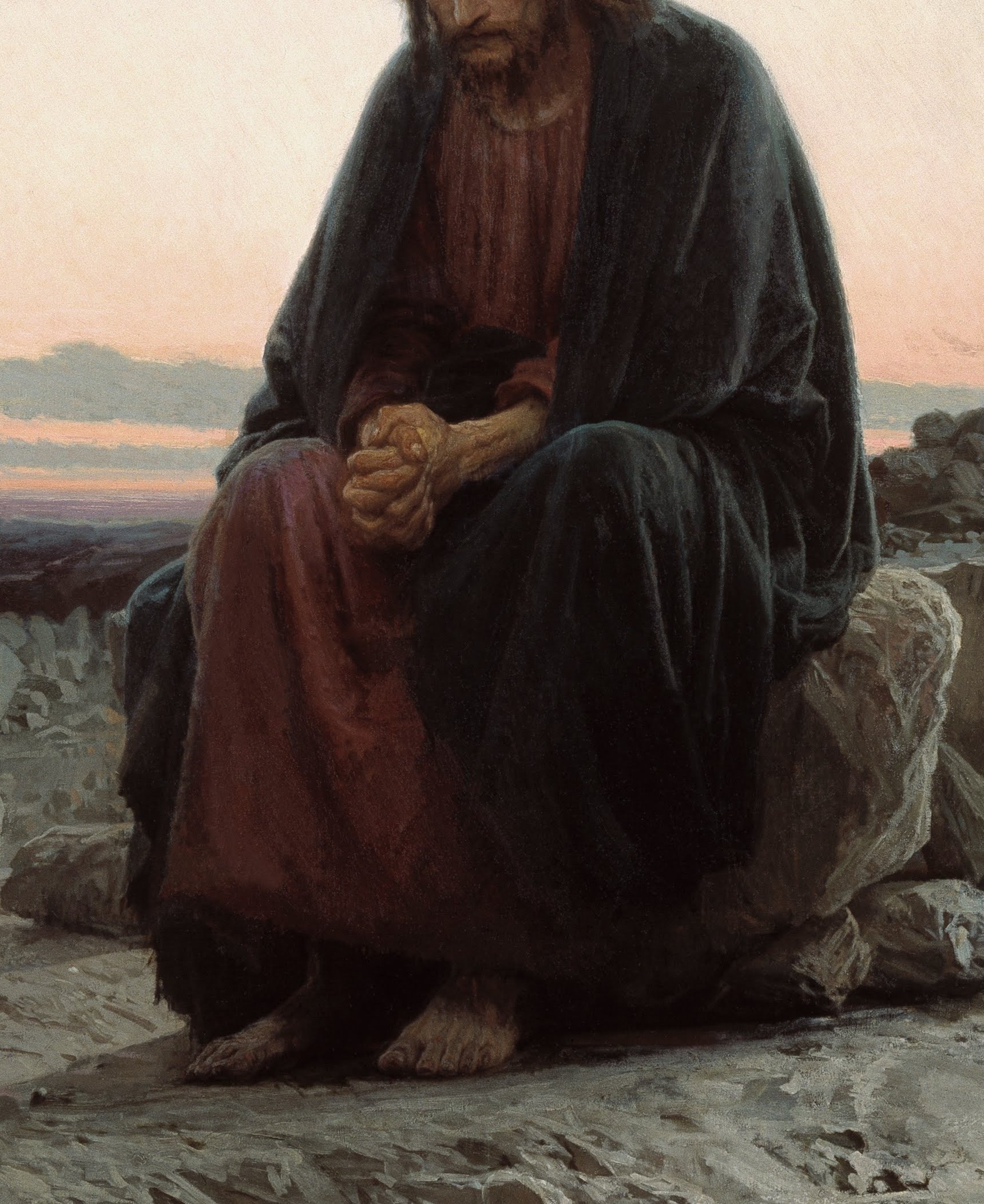
Ivan Kramskoi's "Christ in the Wilderness," painted in 1872, is a profound exploration of spiritual resolve and human vulnerability, now housed in the Tretyakov Gallery in Moscow.
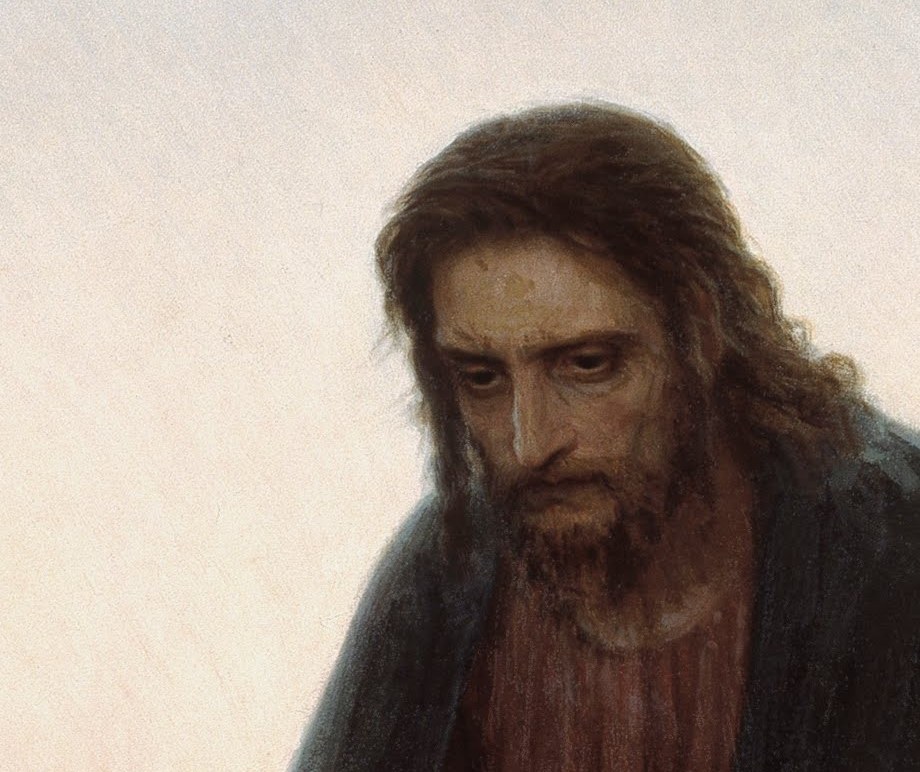
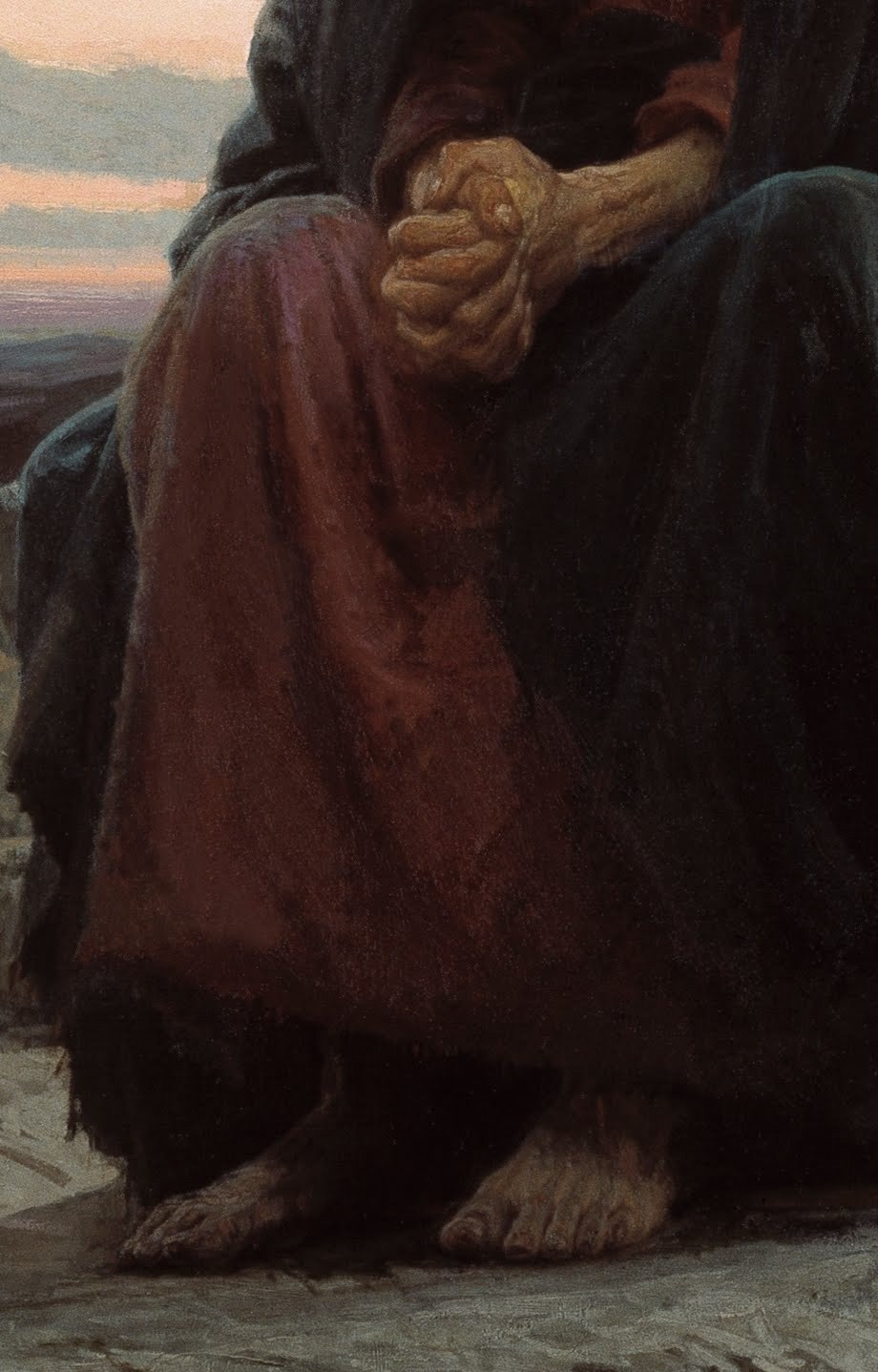
The painting focuses on Christ's inner struggle during his temptation in the desert. Look closely at his downcast eyes and furrowed brow, conveying exhaustion and deep contemplation. His tightly clasped hands suggest a powerful battle for self-control, emphasizing the psychological intensity of this moment.
Kramskoi spent years perfecting this work. In a testament to his artistic integrity, he famously declined a professorship from the Russian Academy of Arts Council for this painting, choosing to maintain his independence after an earlier expulsion. The painting was quickly acquired by Pavel Tretyakov, becoming one of his favorites and a cornerstone of his collection.
This work invites us to reflect on moments of solitude and moral fortitude. What do you see in his expression?
Details
Transcript
This painter spent years on one question: What does resolve look like? He found it in Christ, in the wilderness, confronting temptation. After fasting, in isolation, Christ faces an inner struggle. Look at his hands, clasped in intense self-control. The artist declined a professorship for this work, to stay independent. He conveys profound human vulnerability in this moment of testing.