Margaretha van Haexbergen (1614–1676) by Gerard ter Borch
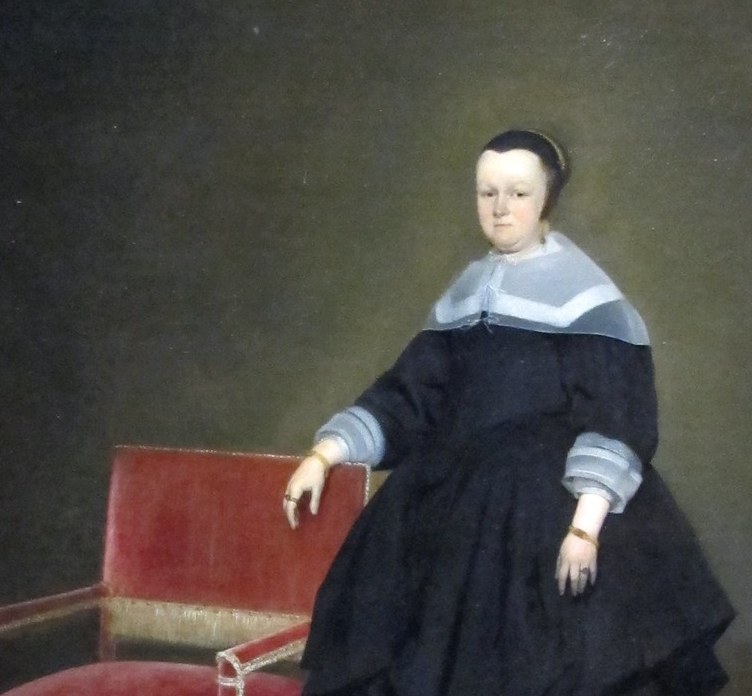
Gerard ter Borch's 1666 portrait, *Margaretha van Haexbergen*, held at The Metropolitan Museum of Art, is a prime example of his extraordinary skill in rendering varied textures and light, particularly with dark fabrics.
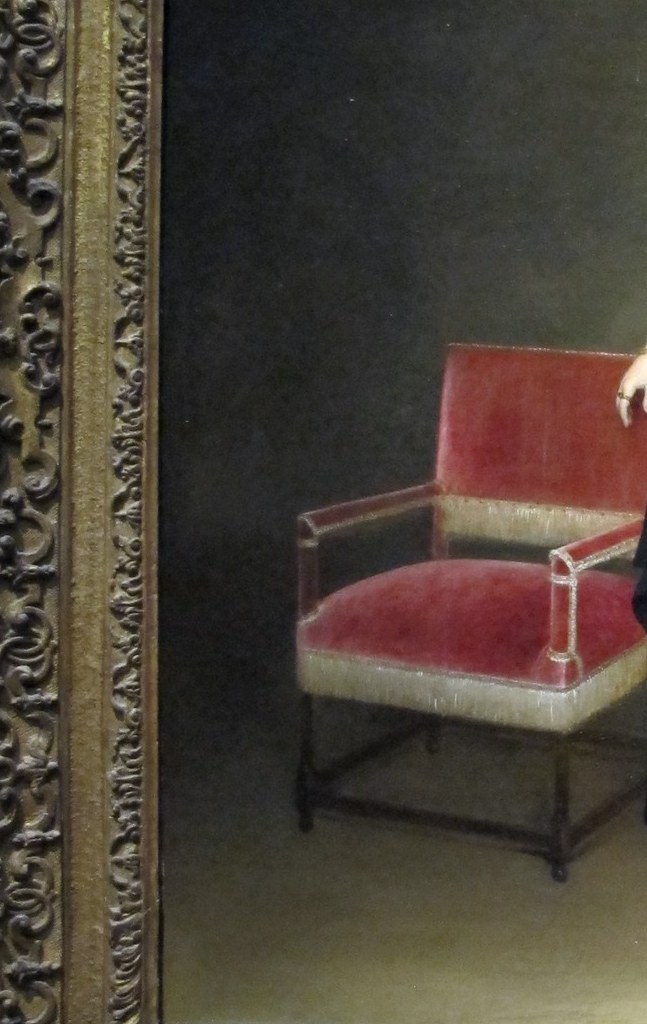
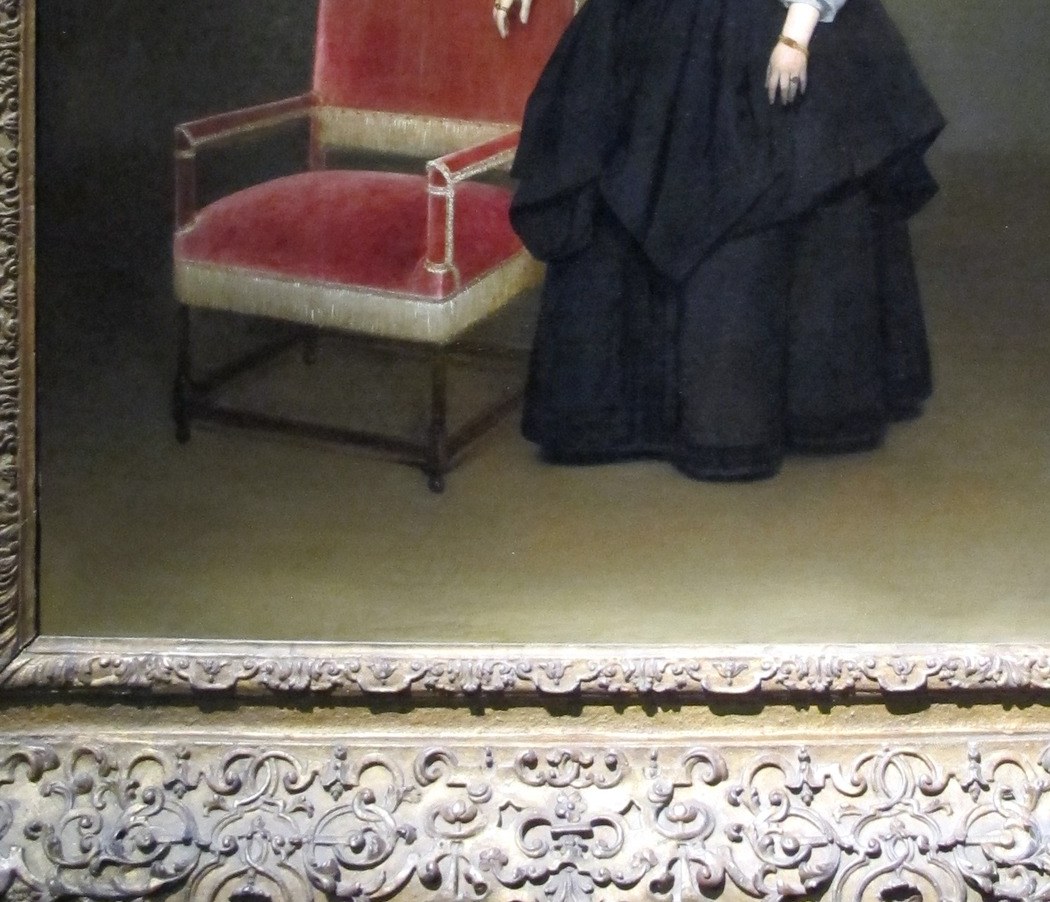
Observe the subtle differences between the lustrous black silk bodice and the softer, deeper black of her skirt. The way light plays across these materials, alongside the rich red velvet of the chair, demonstrates Ter Borch's meticulous attention to detail and his ability to bring out the distinct qualities of each fabric.
Ter Borch was a prominent Dutch Golden Age painter, known for his elegant genre scenes and insightful portraits like this one. His technique of depicting figures within carefully observed domestic settings, often hinting at an underlying psychological depth, proved highly influential, even impacting artists like Johannes Vermeer. He established a new way of showing people's inner lives within their private homes.
This painting captures not only a moment in time but also the quiet dignity and refined taste of the Dutch elite.
Details


Transcript
Gerard ter Borch was a master of subtle Dutch portraiture. He was renowned for depicting texture and light, even on black fabrics. See how light catches the sheen of her silk bodice. The soft velvet of the chair catches light differently. This mastery influenced Vermeer and other Golden Age painters. Her serene face reveals Ter Borch's psychological depth.