The Coronation of the Virgin by Annibale Carracci
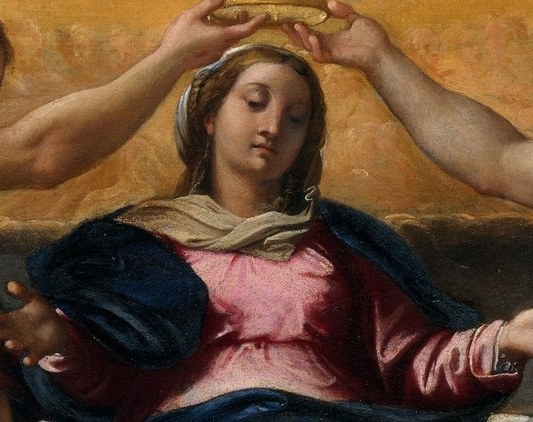
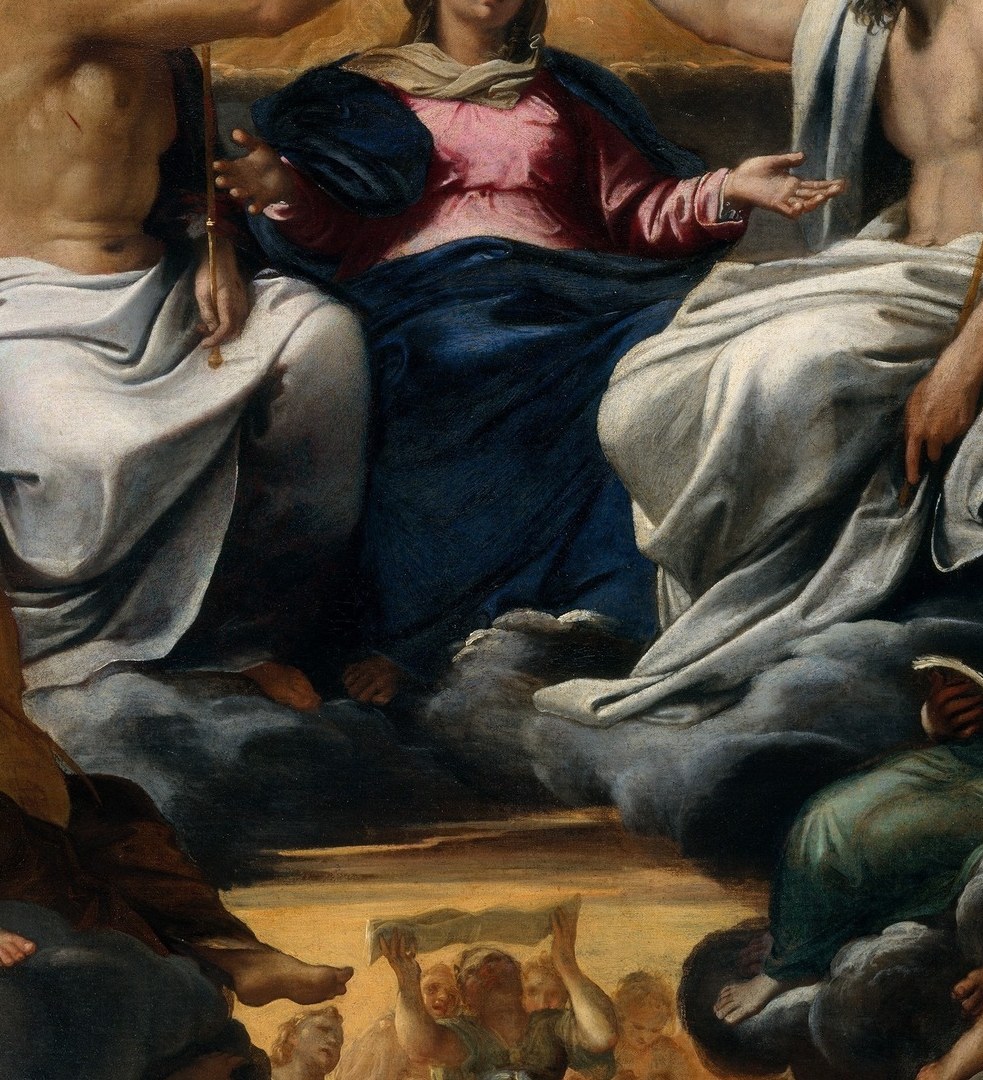
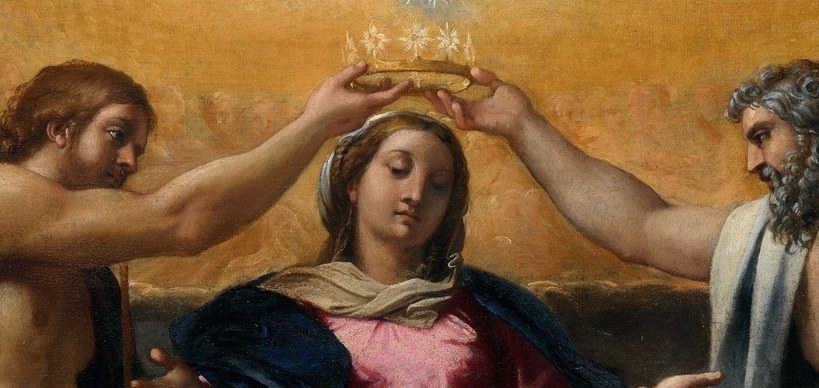
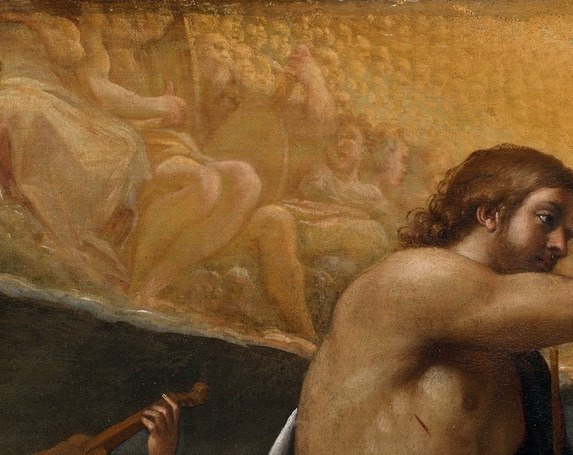
This is Annibale Carracci's 'The Coronation of the Virgin,' painted in 1598. It hangs not in a grand public gallery but inside the Pope's private Vatican apartments. Most visitors to Rome will never stand before it.
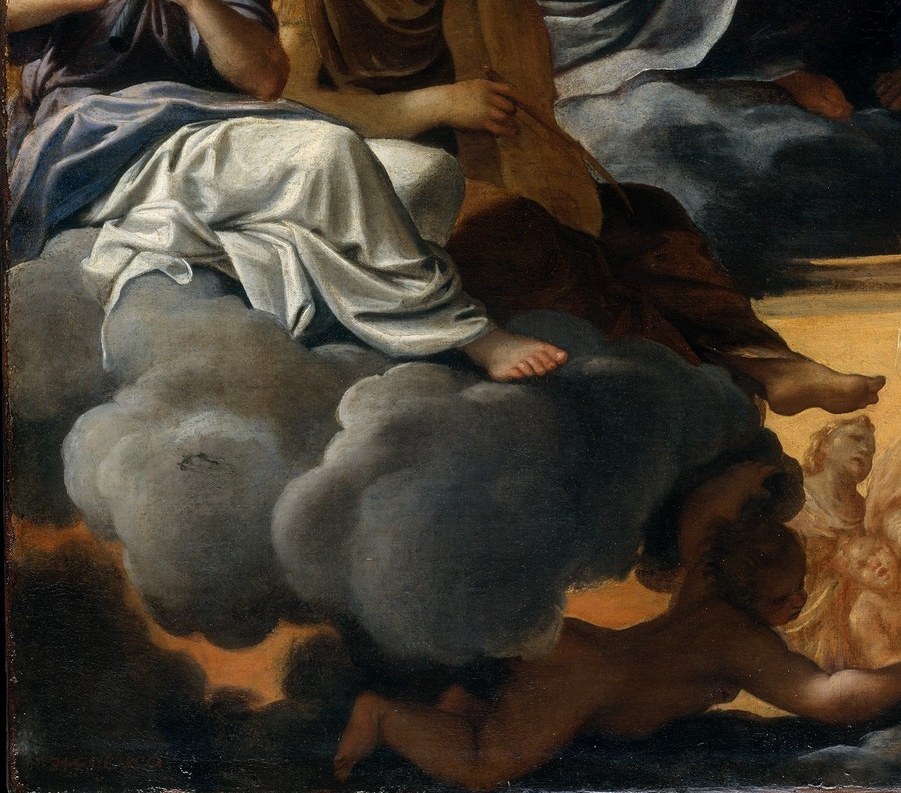
The story begins with a scandal. Carracci's first patron, Cardinal Pietro Aldobrandini, rejected the painting upon delivery. He found the muscular, semi-nude angels too earthly and indecent for a holy scene. The painting was immediately controversial, setting the stage for centuries of conflict.
The rejection sparked a bitter ownership dispute between the Aldobrandini family and the papacy that lasted for roughly three hundred and fifty years. The family argued it was personal property; the Vatican claimed it belonged to the Papal States by divine and legal right. The lawsuit survived the fall of dynasties and two world wars before a final settlement kept the work in papal hands, accessible only by special permission.
Next time you look at a Baroque altarpiece, consider what it might hide. Some paintings are private not by accident, but because of a deep, unresolved argument about who gets to own the sacred.
Details
Transcript
It belongs to the Pope. Most people never see it. Look at her face, not saintly, but real. Annibale Carracci painted her in 1598 for a private chapel. His patron refused it. Said the angel's bare knee was indecent. The rejected painting ignited a four-hundred-year legal fight over who really owned it. The Vatican claimed it by divine right. The family sued for property. The case spanned wars, dynasties, and two world wars before it was settled. The painting is still private. It rarely leaves the Papal apartments.