Evening: Landscape with an Aqueduct by Théodore Géricault (French, 1791–1824)
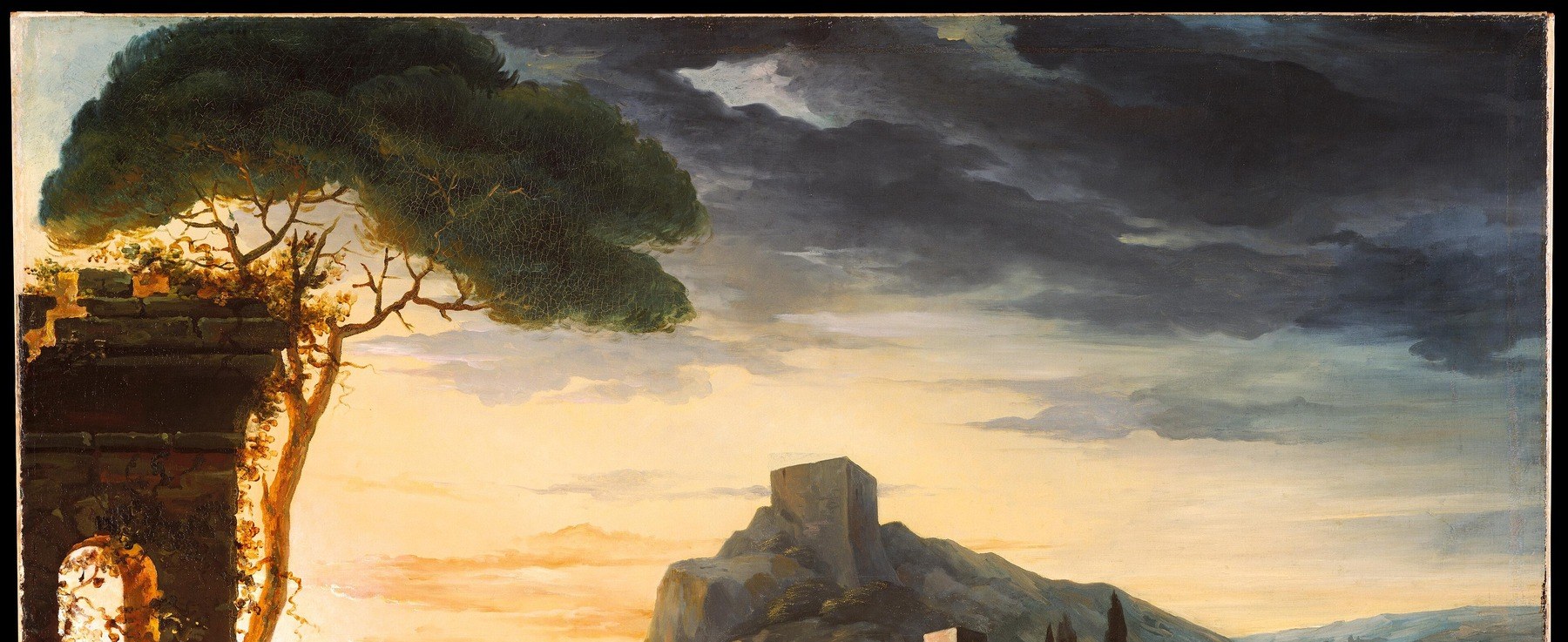
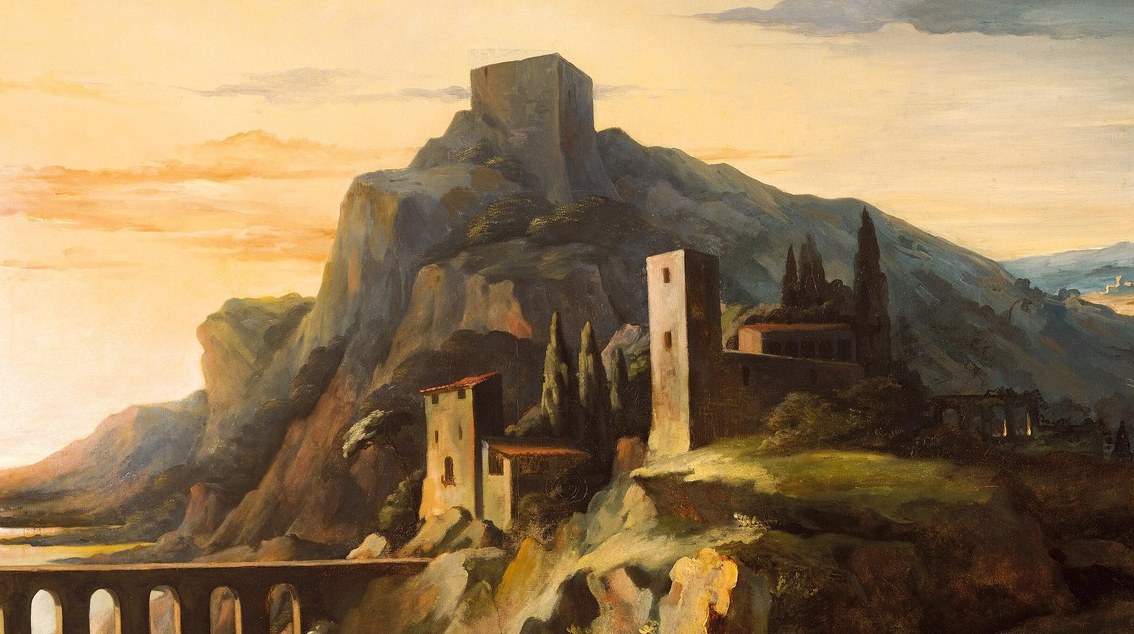
This is Théodore Géricault's Evening: Landscape with an Aqueduct from 1818, now in the collection of the Metropolitan Museum of Art. It is one of three monumental landscapes he painted, each capturing a different time of day. A planned fourth painting was never completed before his death at 32.
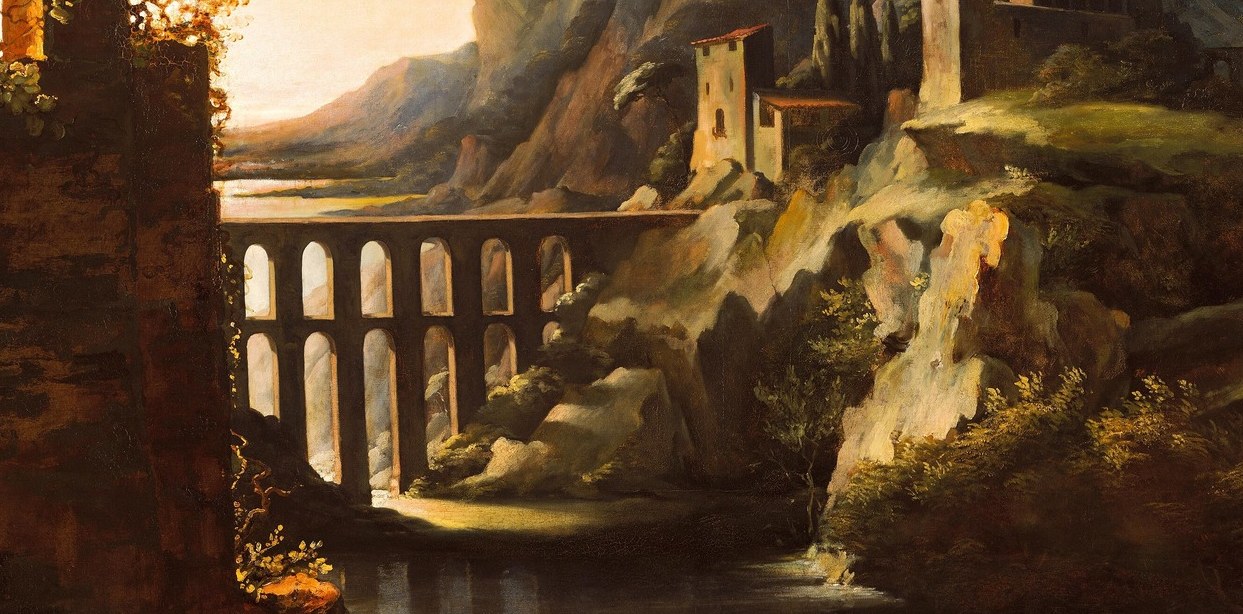
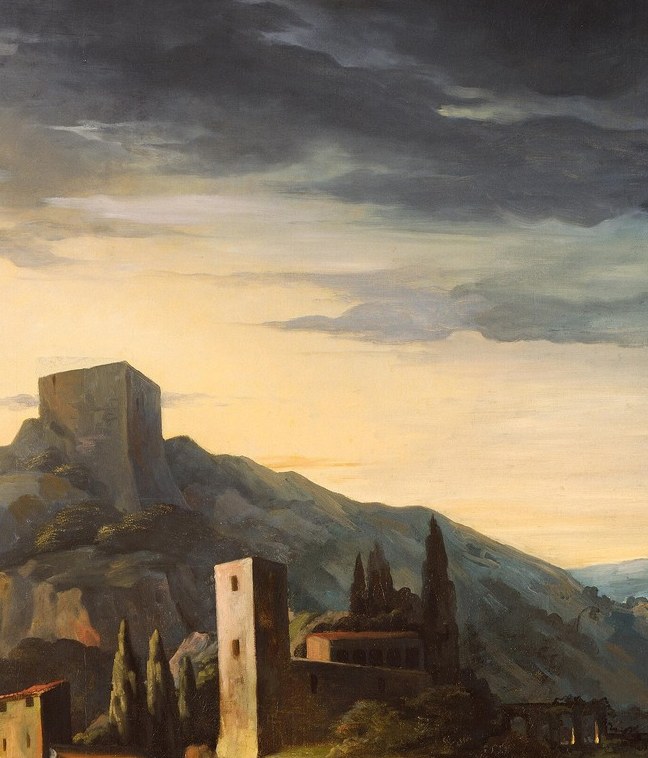
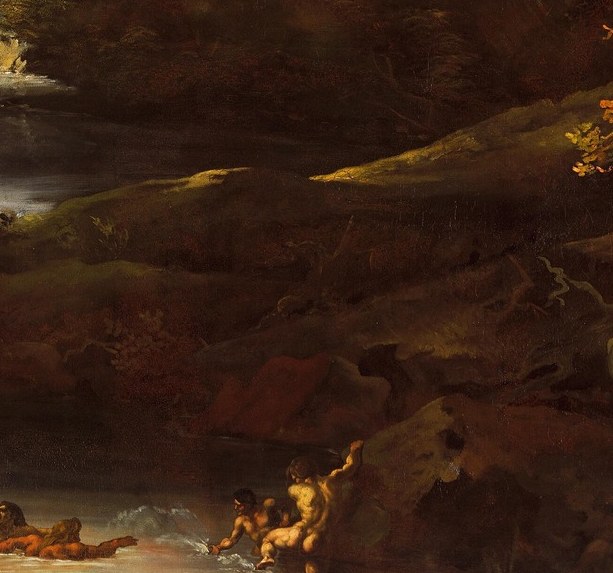
The scene is built around the Roman aqueduct of Spoleto, which Géricault had visited in 1817. Notice the compositional device: those tiny figures at the lower right, placed there purely to make the ancient arches and the distant fortress read as colossal. The glowing horizon fights beneath a tower of dark storm clouds, a pocket of calm reflected in the still river below.
The painting was made just after Géricault finished The Raft of the Medusa, his enormous, brutal masterpiece of a shipwreck. That same Romantic instinct is here, only quieter: not human catastrophe, but the sublime weight of nature against the fragile marks of civilization.
What other side of an artist have you discovered in their quieter work?
Details
Transcript
A calm river. A Roman aqueduct. Evening light. It was painted in 1818. The artist had just finished a different work. That work was The Raft of the Medusa. A giant canvas of shipwreck and cannibalism. Now look at the sky. It towers over every human mark. This is the Romantic Sublime. Nature dwarfing civilization. The artist knew this aqueduct. He had traveled to Spoleto the year before. Down here, tiny figures. A standard trick to make the landscape feel enormous. Géricault planned four of these, each a time of day. He finished three. Died at 32.