The Pigeon House by Roelof Jansz van Vries
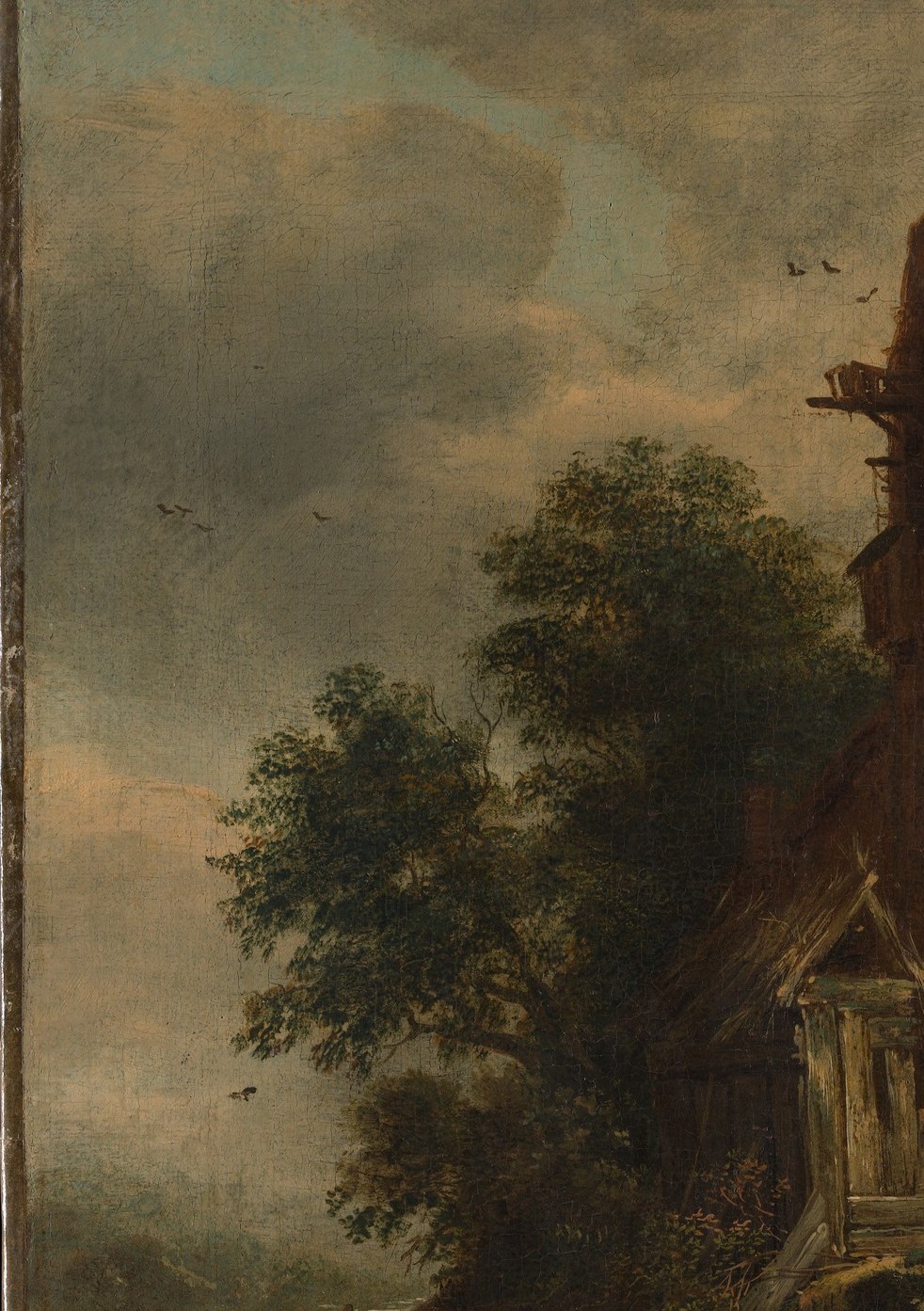
The Pigeon House, by Roelof Jansz van Vries, painted around 1665, is a painting that exists largely outside the art market. It has no recorded auction history, no famous theft, and no eye-watering insurance figure. It sits quietly in the Metropolitan Museum of Art, and in a world where value is so often measured in price, that absence of number becomes its own kind of distinction.
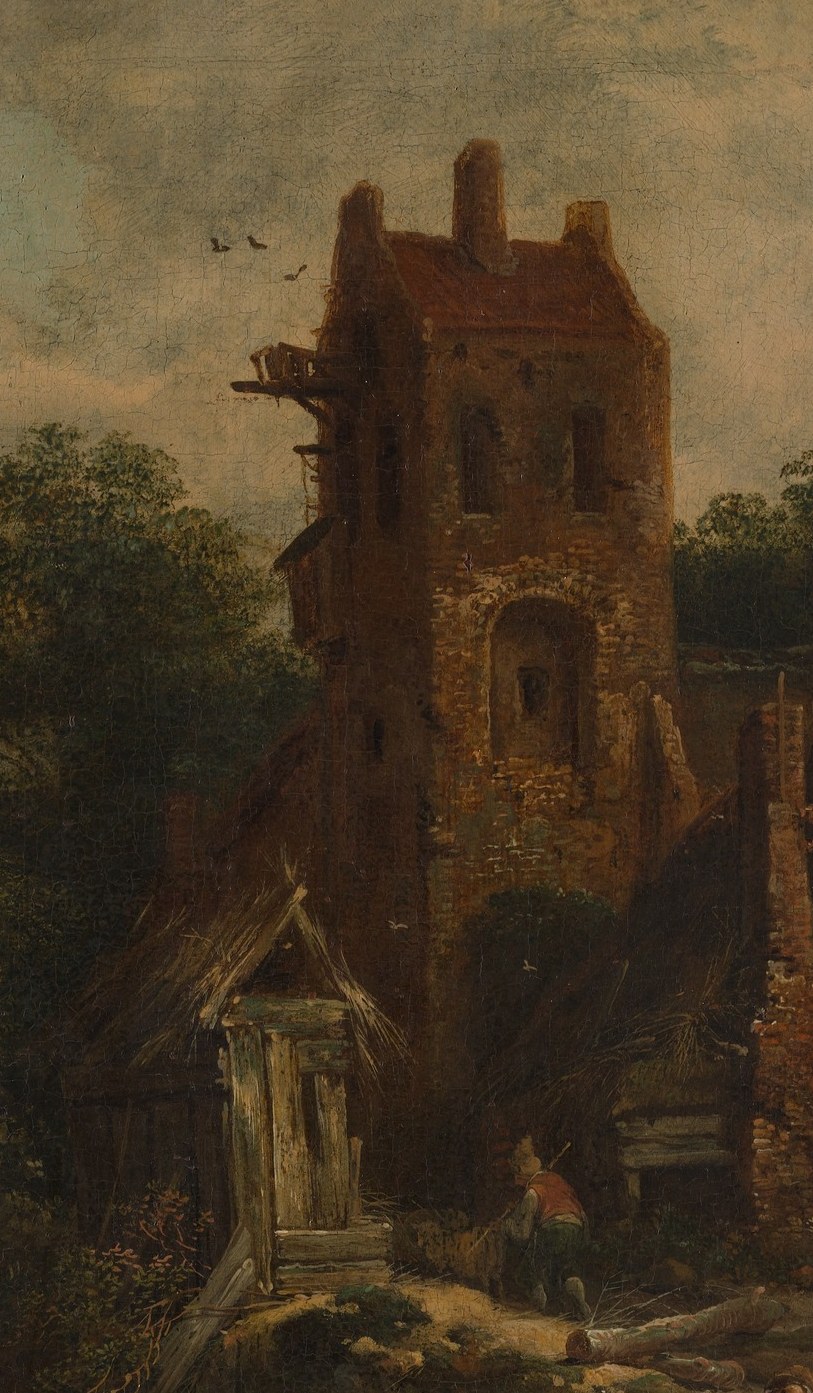
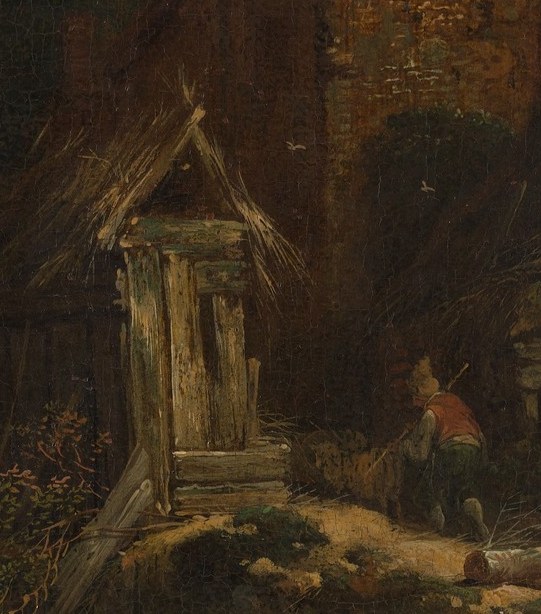
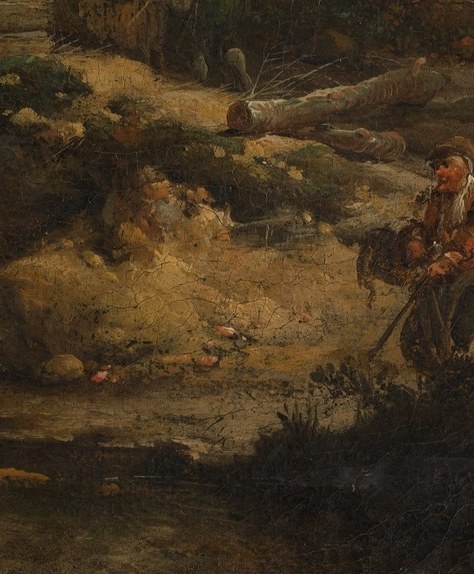
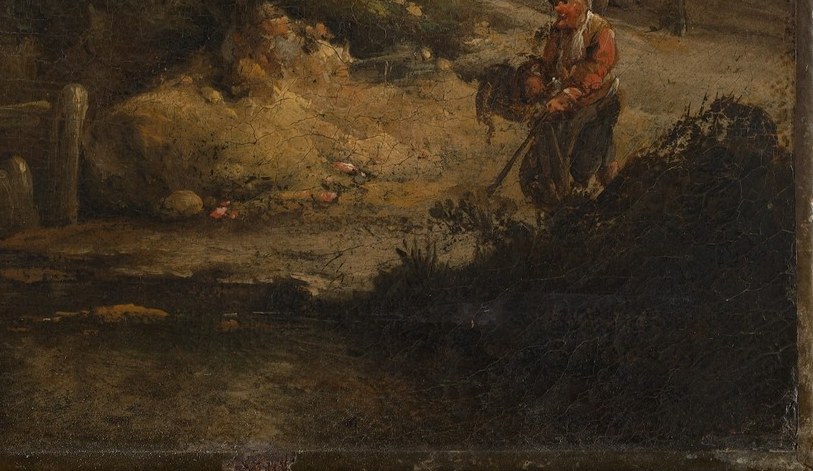
Look first at the crumbling brick tower, with its jagged roofline and a dovecote nested into the base. Vines creep up the lower masonry. The tower is the obvious subject, but the real anchor is the solitary man resting at the water's edge. He gives the scene its scale and its stillness. A small flat-bottomed boat drifts nearby, and a second, barely visible figure stands near a dark doorway in the tower base. The sky does much of the work: a luminous, overcast Dutch sky with warm light breaking through.
Van Vries worked during the Dutch Golden Age, a period when everyday landscapes were considered fully worthy of serious painting. He was active in Haarlem and later Amsterdam, and his works are held by the Rijksmuseum and the National Gallery as well as the Met. The dovecote itself was once a structure of real utility, providing meat and fertilizer, and the tower may have been a remnant of an older fortified building. By Van Vries's time it was already a ruin, nature slowly undoing the masonry.
The Pigeon House does not shout. It asks you to stop scrolling and stand beside a man who has nowhere else to be. What do you think he is hearing?
Details
Transcript
It has no auction record. No famous theft. No insurance valuation. What it does have is this crumbling tower. A dovecote built into its base, long silent. And one man, sitting still by the water. The real cost here was time. This tower had already stood for centuries. Painted in 1665, when a quiet riverside was worth more than a portrait. The painter left no self-portrait. This stillness is what he chose to leave.