Portrait of a Man by Charles de Chatillon (French, 1777–1844)
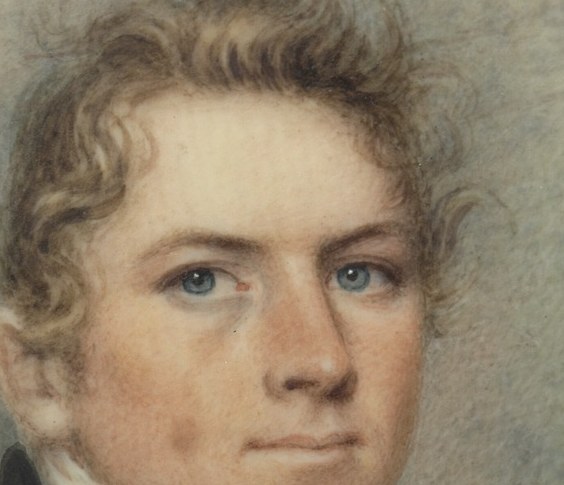
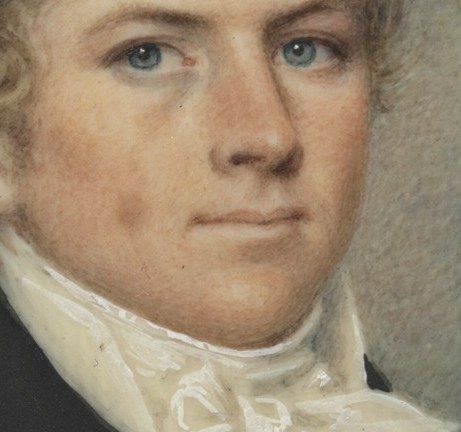
For over two centuries, the identity of the man in Charles de Chatillon's "Portrait of a Man" (circa 1795) remained a mystery. This exquisite miniature, painted on ivory and held at The Cleveland Museum of Art, captivated viewers with its direct gaze and composed expression, but offered no clue to who he was.
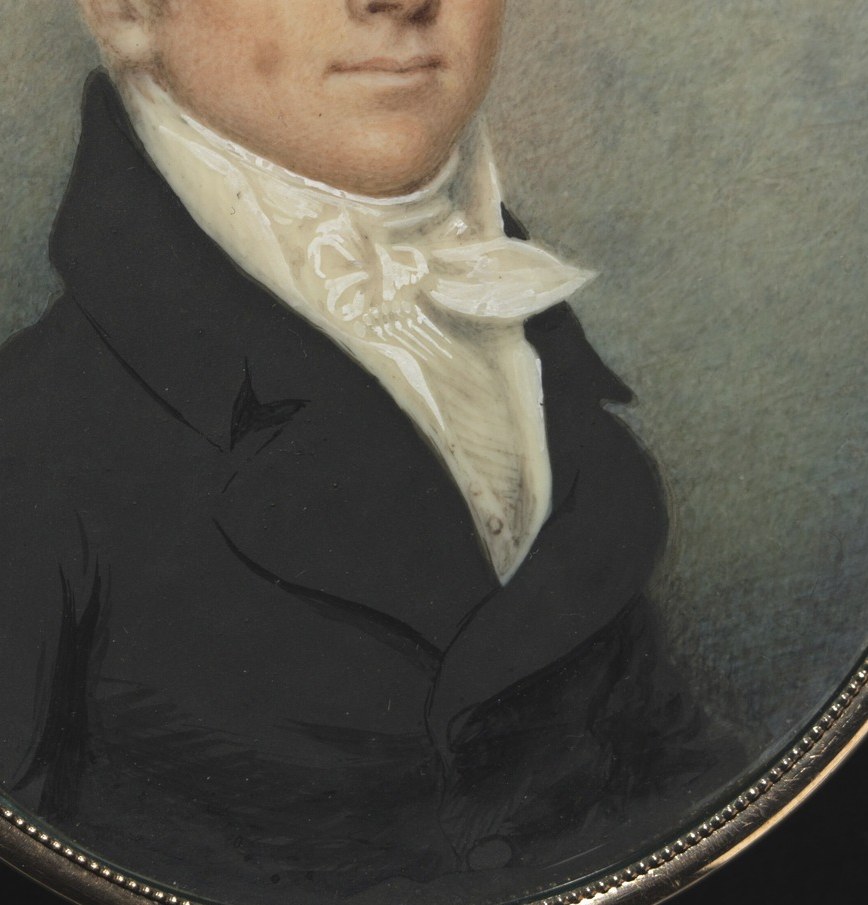
Look closely at the small brooch on his cravat. This subtle detail, barely noticeable, was the key that unlocked his story. Researchers recently identified the emblem on the brooch, leading them to finally name the sitter, transforming an anonymous face into a person with a history.
Miniature portraits on ivory were luxury items in the late 18th century, cherished personal mementos that often bore witness to a specific moment or relationship. This discovery reminds us how much history can be hidden in plain sight, waiting to be revealed by persistent investigation.
What other secrets might these small, intimate portraits still hold?
Details
Transcript
This man's gaze has met countless eyes since 1795. But for two centuries, his name was lost to time. Only recently, a tiny detail began to tell his story. On his cravat, a small brooch. A clue. It led researchers to the identity of the sitter. His quiet confidence, now given a name.