Roundel with Christ Carrying the Cross with Saint Veronica by http://www.wikidata.org/.well-known/genid/b10318e37cc00901f301d8ecaead196b
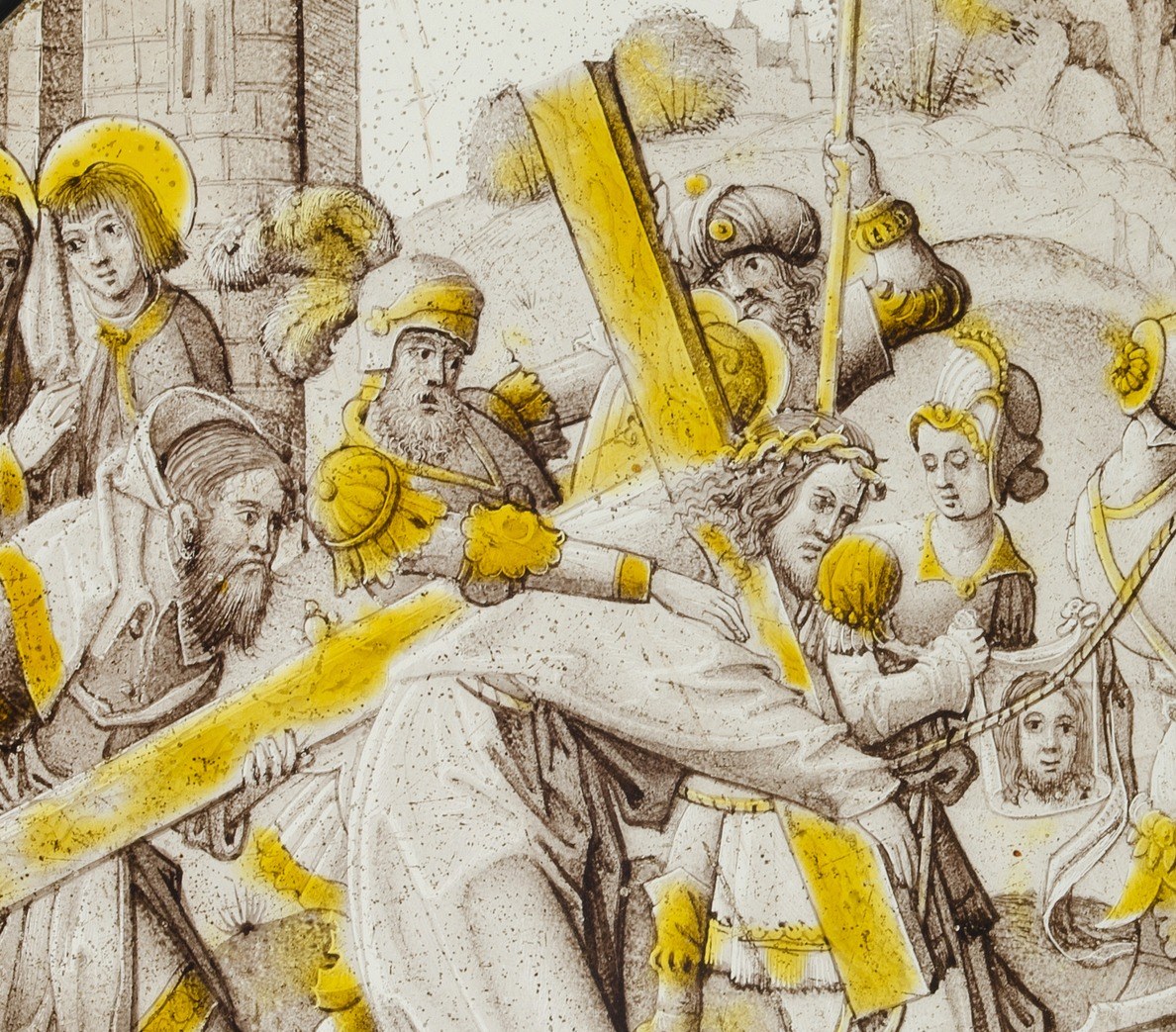
This small roundel, "Christ Carrying the Cross with Saint Veronica," was painted around 1520 by an unknown Netherlandish master and now resides at The Metropolitan Museum of Art. It captures a single, intimate moment of tenderness inside one of the most violent stories ever told.
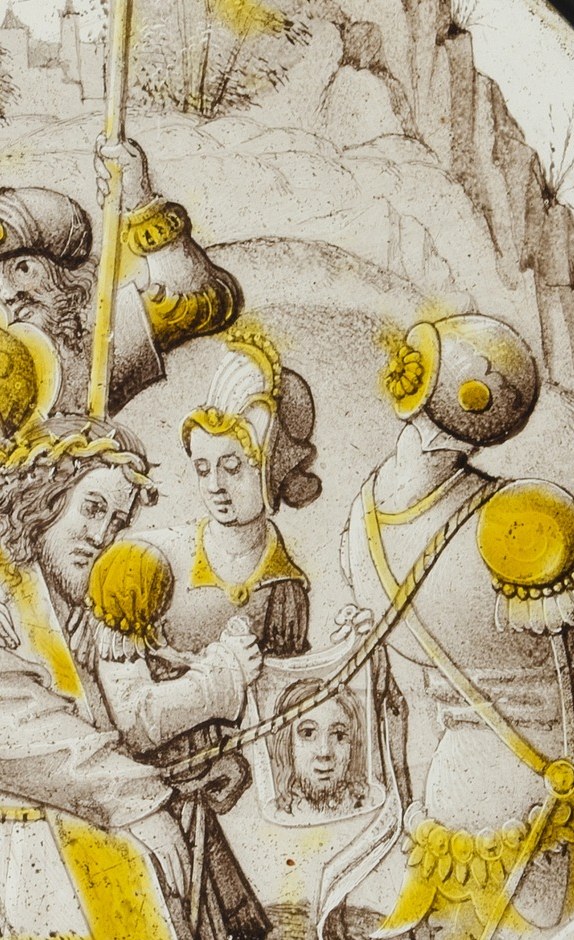
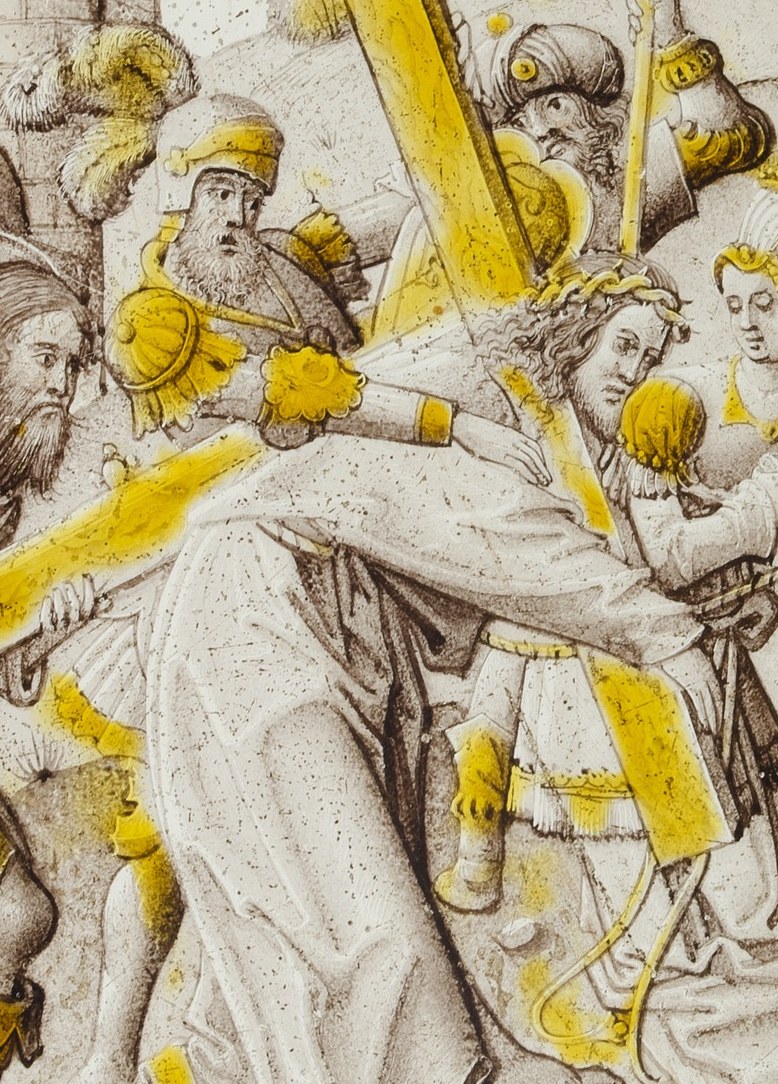
Stand back and the scene is chaos: a heavy diagonal cross, a swarm of soldiers, a pale anonymous face emerging from the crowd. But let your eye follow the one figure moving against the current. Saint Veronica leans in from the right, holding a white cloth toward Christ. Her arms create the only counter-diagonal in the composition. The painting is built almost entirely in shades of grey grisaille, a technique that makes her small gesture feel monumental.
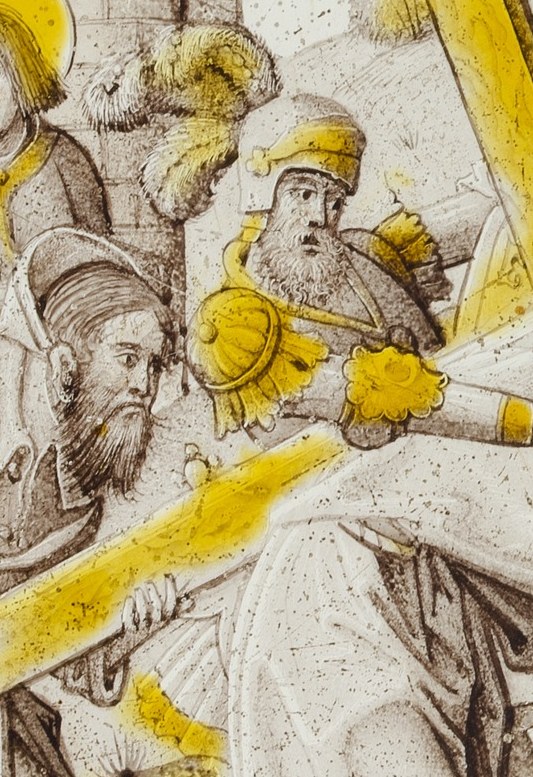
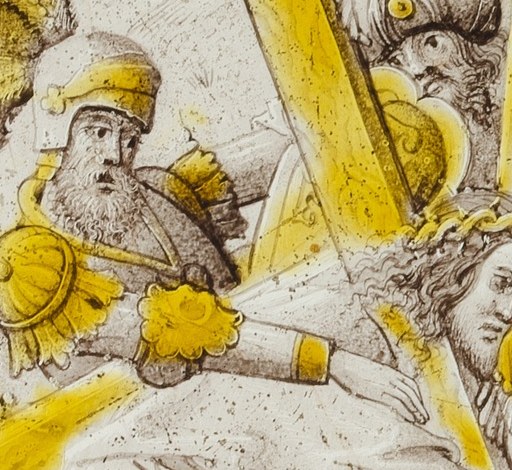
According to tradition, Veronica wiped Christ's face as he stumbled toward Calvary, and his features were miraculously left on her cloth. The painter does something quiet but radical: almost every figure is rendered in monochrome stone tones, while gold is used only for halos, the cross, and the armor of the oppressors. The sacred and the violent are the only things that glow.
We know almost nothing about who painted this. But they made one choice that has survived five centuries: in the middle of a crowd pushing Christ toward death, the artist centered a woman pushing back with mercy. What do you notice first: the weight of the cross, or the cloth reaching toward it?
Details
Transcript
He is crushed under the weight of the wood. The soldiers drag him forward. The crowd presses in. But look: one person moves toward him. She holds out a cloth, and risked everything to do it. Her reward is hidden in plain sight. See his face. The painting is nearly all grey. Gold is reserved for what is sacred.