The Martyrdom of St. Andrew by Bartolomé Esteban Murillo
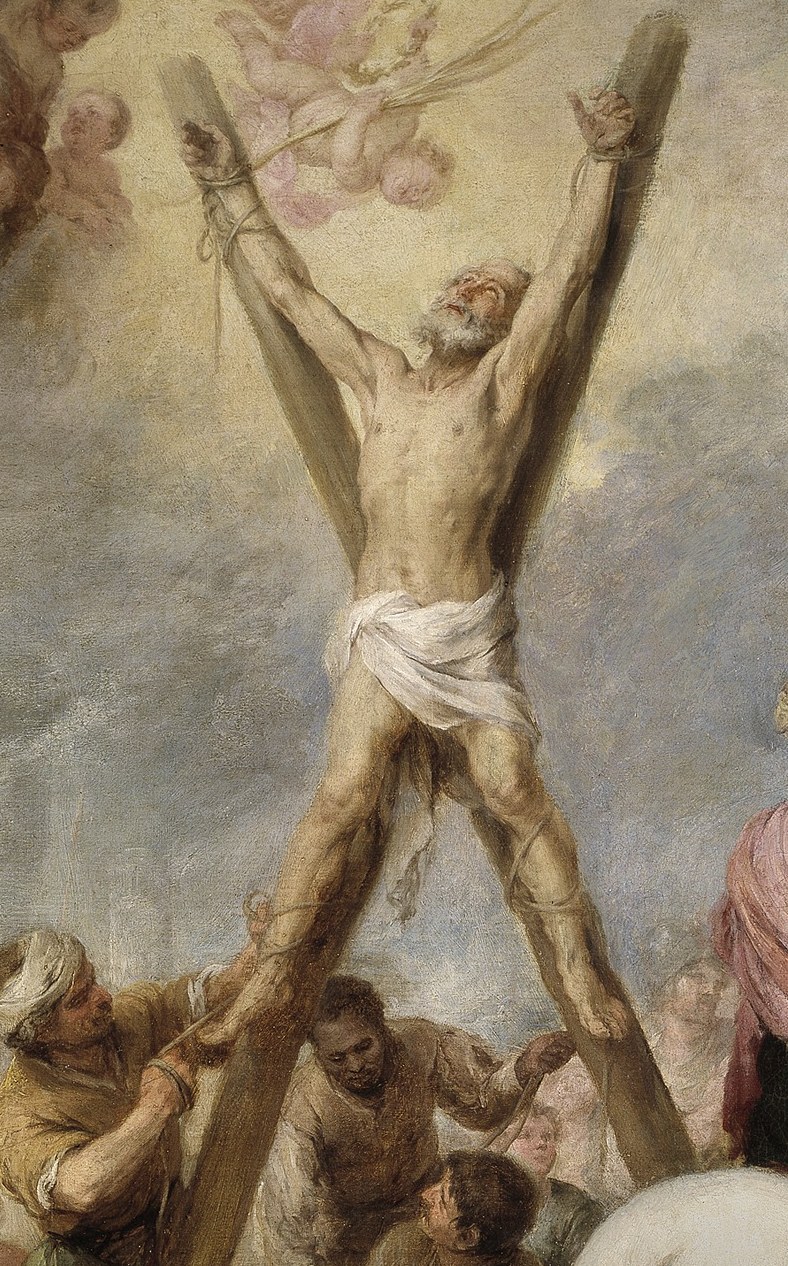
Bartolomé Esteban Murillo's The Martyrdom of St. Andrew (1675-1682) is a visceral depiction of faith and suffering, housed at the Museo del Prado. This painting is a powerful example of Spanish Baroque art, directly influenced by masters like Rubens.
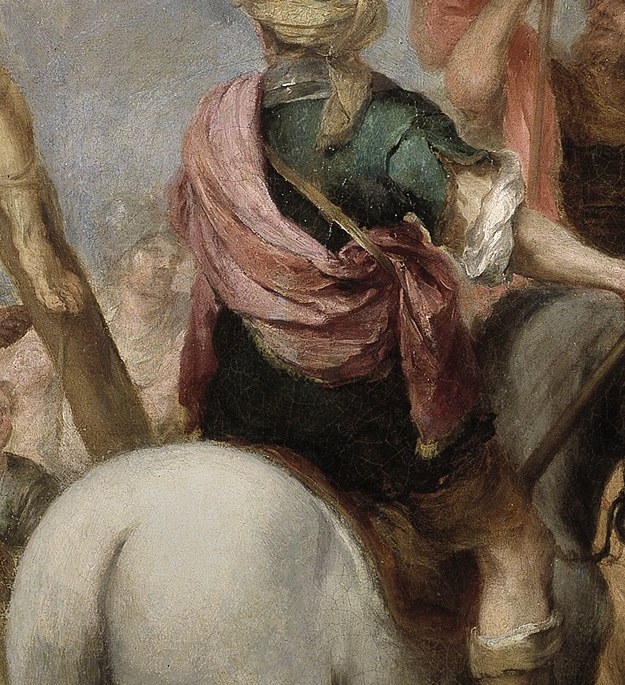
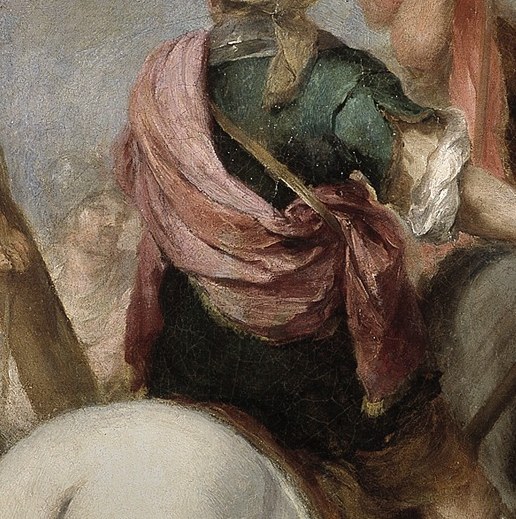
Look at the central figure of Saint Andrew, bound to his X-shaped cross, embodying ultimate sacrifice. Notice the blindfolded executioner, his obscured vision perhaps symbolizing a reluctant or unseeing force. Above, cherubic figures offer a celestial contrast to the earthly violence.
Murillo painted this work during a period of intense religious fervor in Spain, a time when public executions and martyrdom narratives were potent forces. The style reflects the dramatic compositions of Peter Paul Rubens and the stark realism of Jusepe de Ribera, showcasing Murillo's engagement with the leading artistic trends of his era.
This painting serves as a stark reminder of the brutal realities faced by early Christians and the enduring power of faith in the face of persecution.
Details
Transcript
Saint Andrew faces his horrific end. He was to be crucified on an X-shaped cross. The executioner's eyes are covered. He is dressed for an important role. This scene echoes Rubens's own martyrdoms. Cherubs witness the suffering from above. The painter showed the brutality of his time.