Landscapes in Various Styles after Old Masters by Mei Qing
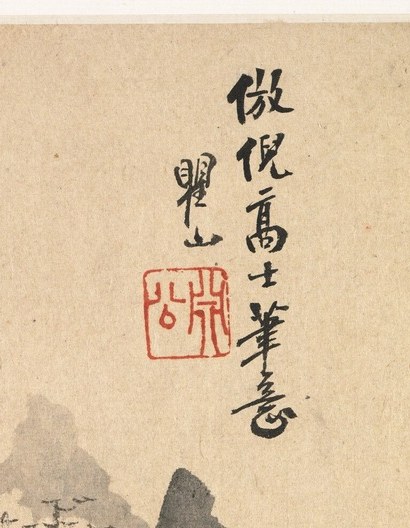
Mei Qing's "Landscapes in Various Styles after Old Masters," painted in 1696 and held at The Cleveland Museum of Art, is a testament to the Qing Dynasty artist's deep connection with nature, particularly China's Yellow Mountain.
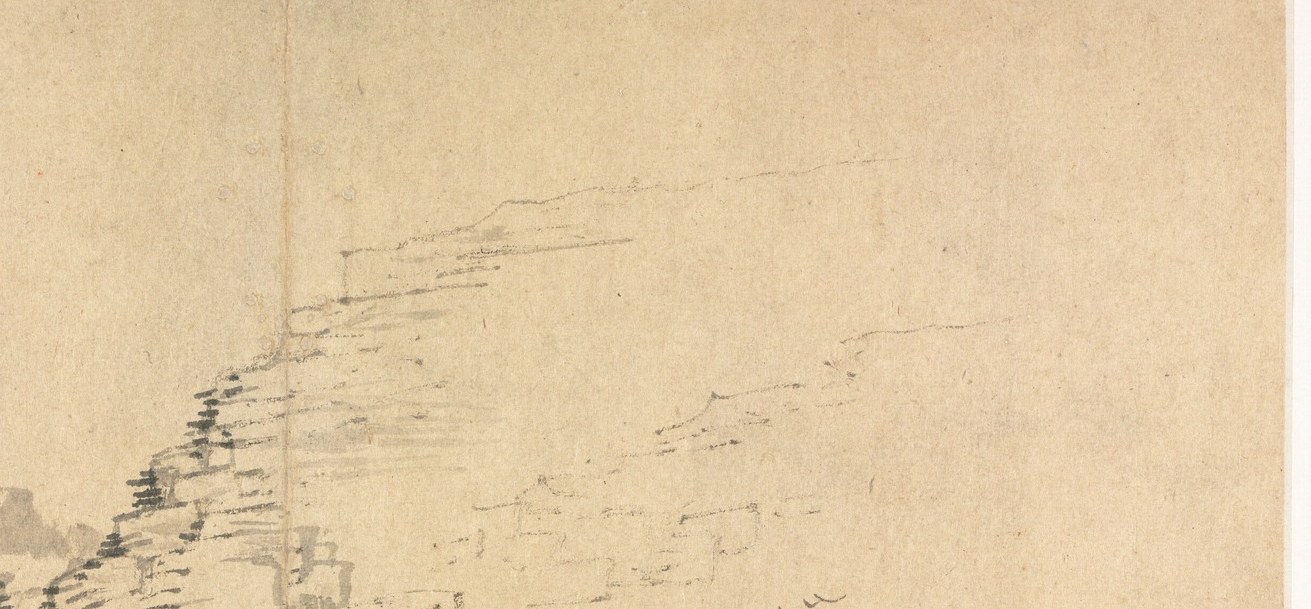
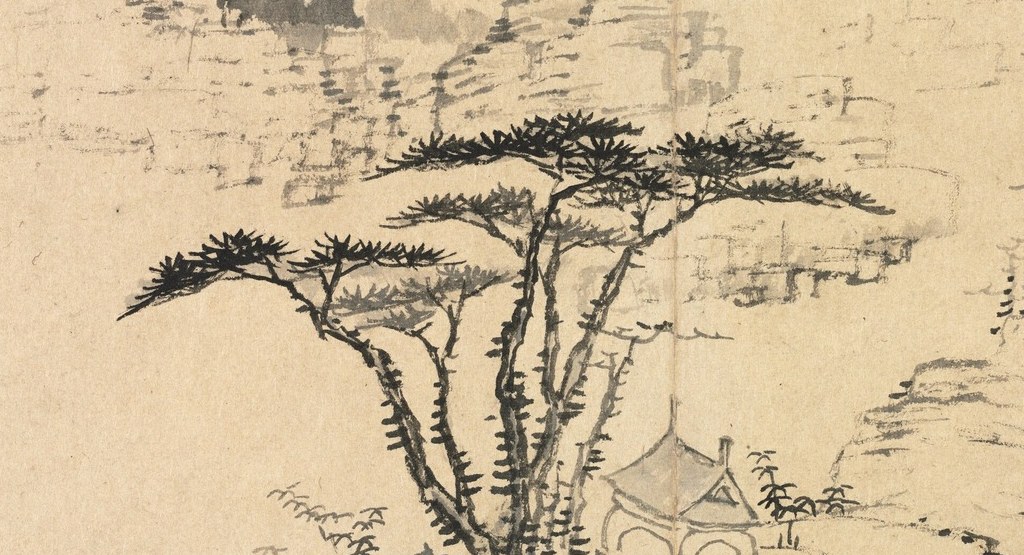
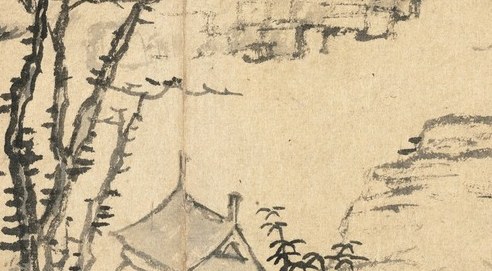
Observe the dramatic, windswept pine trees in the foreground and the mist-shrouded peaks in the background; these elements are directly influenced by the landscapes Mei Qing encountered during his extensive travels to the Yellow Mountain. The small, solitary pavilion nestled in the distant hills invites contemplation, a common theme in his work.
Mei Qing, a multifaceted artist known for his painting, calligraphy, and poetry, was taught by Wang Meng and was a friend of the influential painter Shitao. His approach, using subdued colors and gentle brushstrokes, creates a serene and contemplative atmosphere, reflecting a tradition of Chinese landscape painting that emphasizes a profound engagement with the natural world.
This painting not only showcases Mei Qing's mastery but also his ability to imbue his work with the spiritual and physical essence of the places that inspired him. What natural landscapes inspire you?
Details
Transcript
This tranquil landscape evokes a sense of deep serenity. The painter, Mei Qing, was a master of the Qing Dynasty. His artistic vision was profoundly shaped by his travels. He often journeyed to China's famed Yellow Mountain. These gnarled pines reflect the mountain's dramatic forms. Even this small pavilion suggests a place of quiet refuge. Mei Qing captured the spirit of a revered natural wonder.