The Sackville Children by John Hoppner
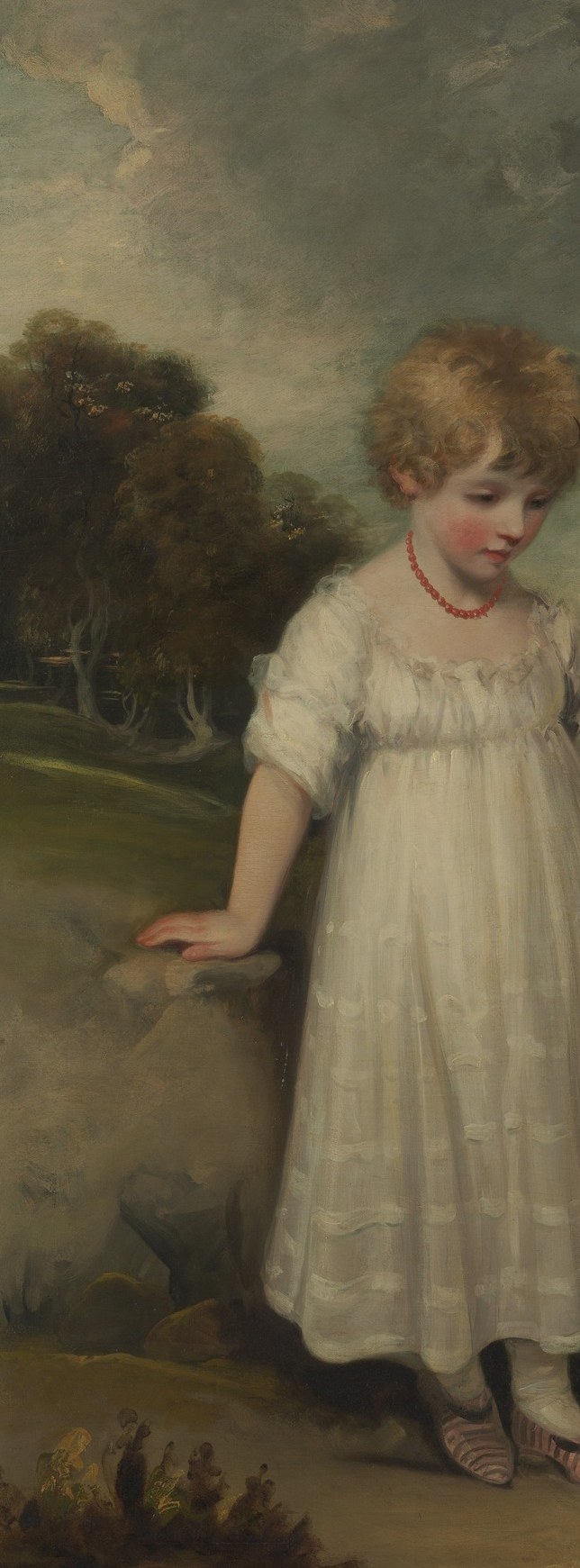
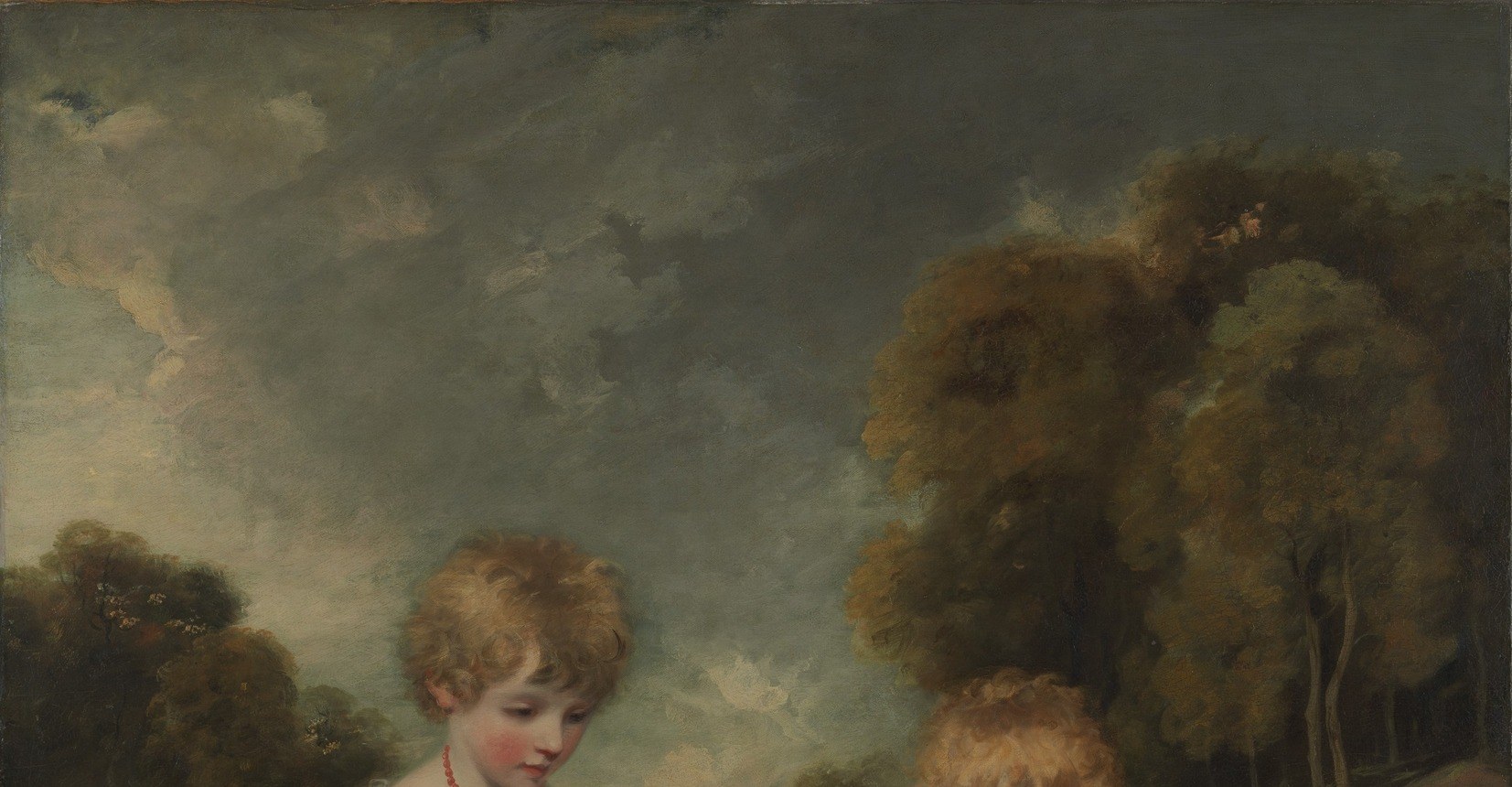
The Sackville Children, painted by John Hoppner in 1796, hangs today at The Metropolitan Museum of Art, and it contains one of the quietest technical miracles in British Georgian portraiture: a white dress that glows against a storm-dark sky, achieved with almost no pure white paint at all.
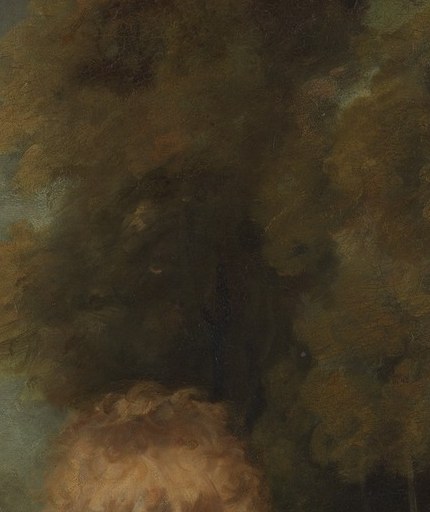
Look at the older girl's muslin dress. The eye reads it as a brilliant, luminous white. But step close and you will find grey, cream, and pale blue pigments, applied in layers so thin that the dark sky tone breathes through from beneath. This is a controlled optical trick: Hoppner lets the canvas tone do the shadow work, reserving the lightest touches for only the highest ridges of the fabric. The result is a white that feels lit from within, not pasted on.
Hoppner was the great rival to Thomas Lawrence and a devoted follower of Joshua Reynolds. By 1796 he was portraitist to the Prince of Wales and the preferred painter of aristocratic children. The three Sackville children, the boy in the blue coat, the youngest clutching a red flower, and the older girl whose downward gaze gives the whole picture its interior mood, belonged to the Duke of Dorset's family, and this portrait sealed their place in the lineage of country-house dynasties.
Next time you see a white dress in a painting, check whether it's really white. The best ones rarely are.
Details
Transcript
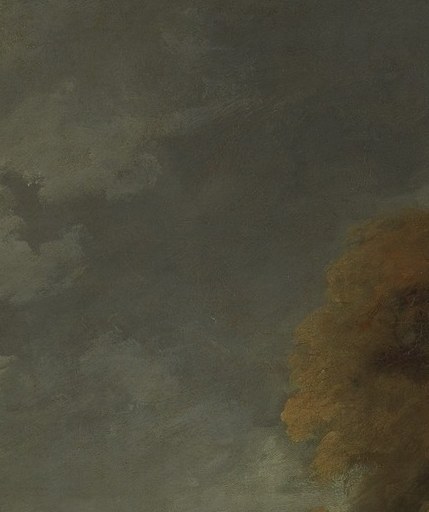
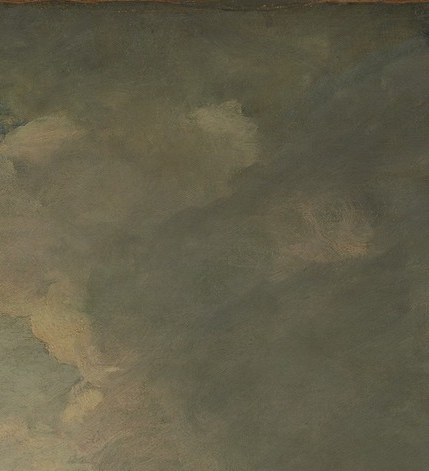
The sky is a dark, rolling grey. Against it, this dress. Luminous white muslin that seems lit from within. The trick is what's missing: no bright white paint. It's grey, cream, and blue, layered so thin the grey sky shows through. The eye reads it as brilliant white, and believes the light.