Portrait of a young woman by Hans Memling
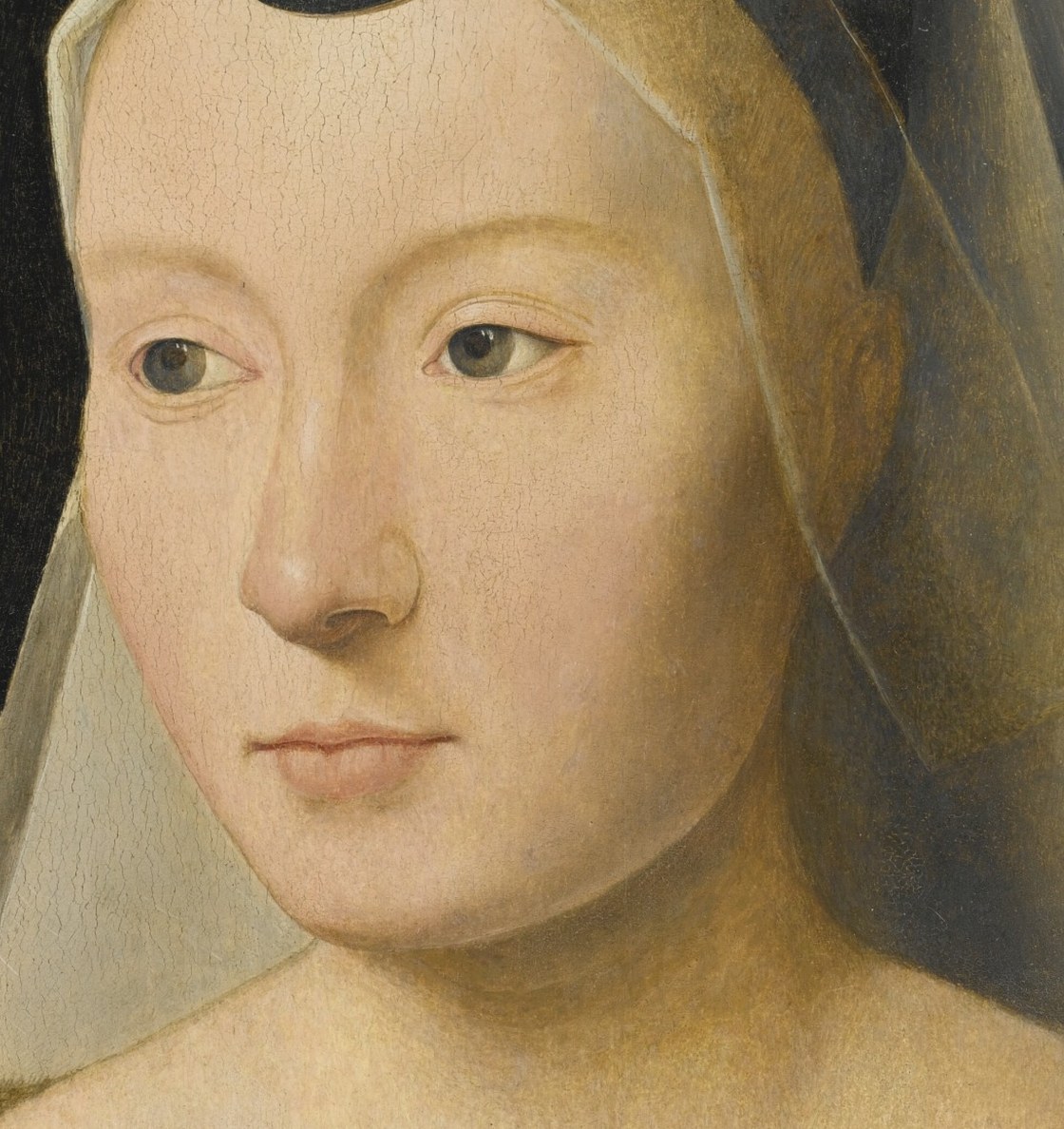
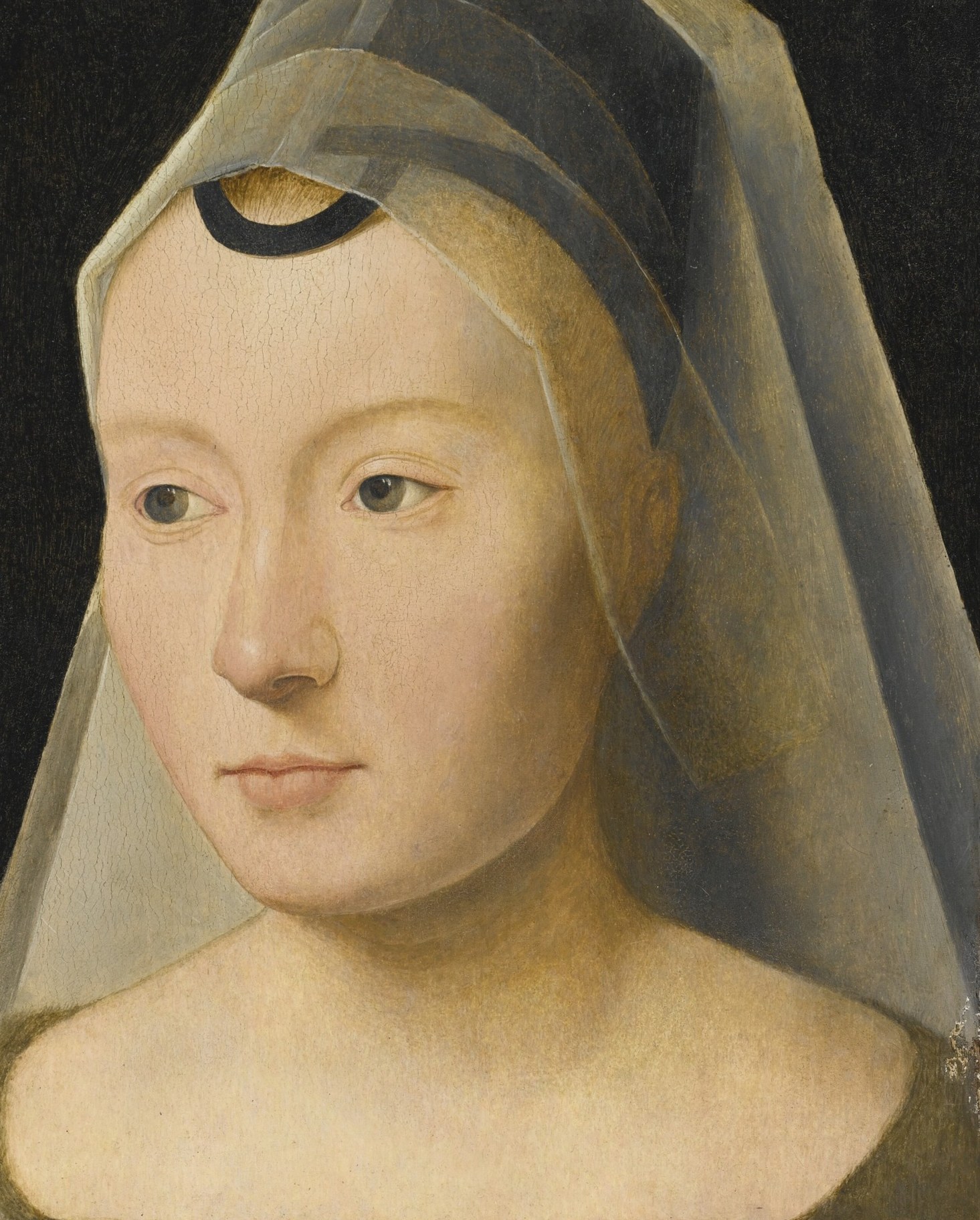
In Hans Memling's "Portrait of a Young Woman" from 1472, currently at The Metropolitan Museum of Art, her serene expression is not just skillfully painted but technically ingenious.
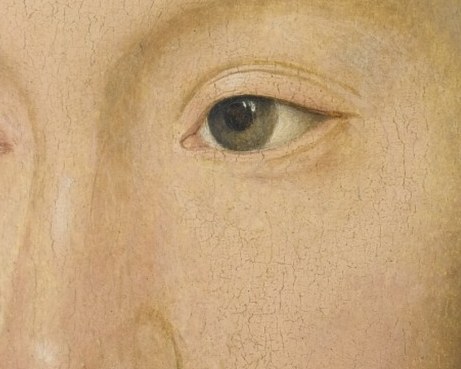
Memling achieved this luminosity through a multilayered glazing technique. He applied thin, translucent washes of oil paint over an underpainting. This method allows light to penetrate the layers, creating a gentle glow that models the cheekbones and chin, making her skin appear to radiate from within.
This intricate approach to light and texture was a hallmark of the Northern Renaissance, reflecting an interest in capturing fine details and subtle tonal variations. Memling, a German-Flemish painter, was a master of this style, and his workshop in Bruges became highly successful, making him one of the city's wealthiest citizens.
Memling’s technique elevates this portrait beyond a simple likeness, inviting contemplation of the woman's inner character. What details do you notice most in her quiet gaze?
Details

Transcript
This young woman was painted in 1472. Her quiet dignity comes from layers of paint. The artist used a glazing technique, thin washes of color. This allows light to penetrate the surface and glow. Her sheer veil also captures that luminous quality. This technique made Hans Memling one of Bruges' wealthiest artists.