清 佚名 倣石濤 十六羅漢圖 卷|(Copy after) The Sixteen Luohans by Shitao (Zhu Ruoji)
This intriguing handscroll, titled (Copy after) The Sixteen Luohans, is an ink-on-paper painting from 1856 by an anonymous artist, now in a private collection. It's a devotional work that echoes the enduring influence of Buddhist themes in Chinese art.
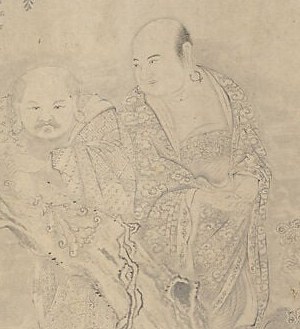
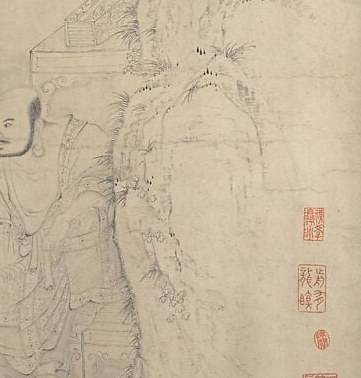
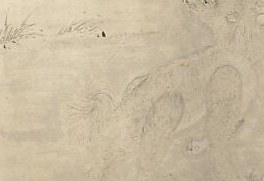
The painting depicts revered Buddhist disciples in a serene natural setting. While the figures, like the monk in his intricately patterned robes or the elder Luohan with his calm expression, draw the eye, a closer look at the landscape reveals a subtle surprise.
This artwork is a copy after the renowned Qing dynasty painter Shitao (Zhu Ruoji). The practice of copying masters was common in Chinese art, serving as a method for learning and preserving established styles. The artist skillfully adopted Shitao's characteristic brushwork, creating a work that honors a rich artistic legacy.
Look again at the hidden animal figure. Its presence adds a touch of mystery to this spiritual scene, reminding us that even in copies, artists often infuse their own unique details.
Details
Transcript
This ancient painting shows Buddhist disciples in a natural setting. It's a copy of a famous master's work, made in 1856. Look closely at the monk's patterned robes. Or the serene face of the elder Luohan. But even deeper in the landscape, a secret lies. Can you spot the partially hidden animal figure?