Portrait of a Woman by Charles Howard Hodges
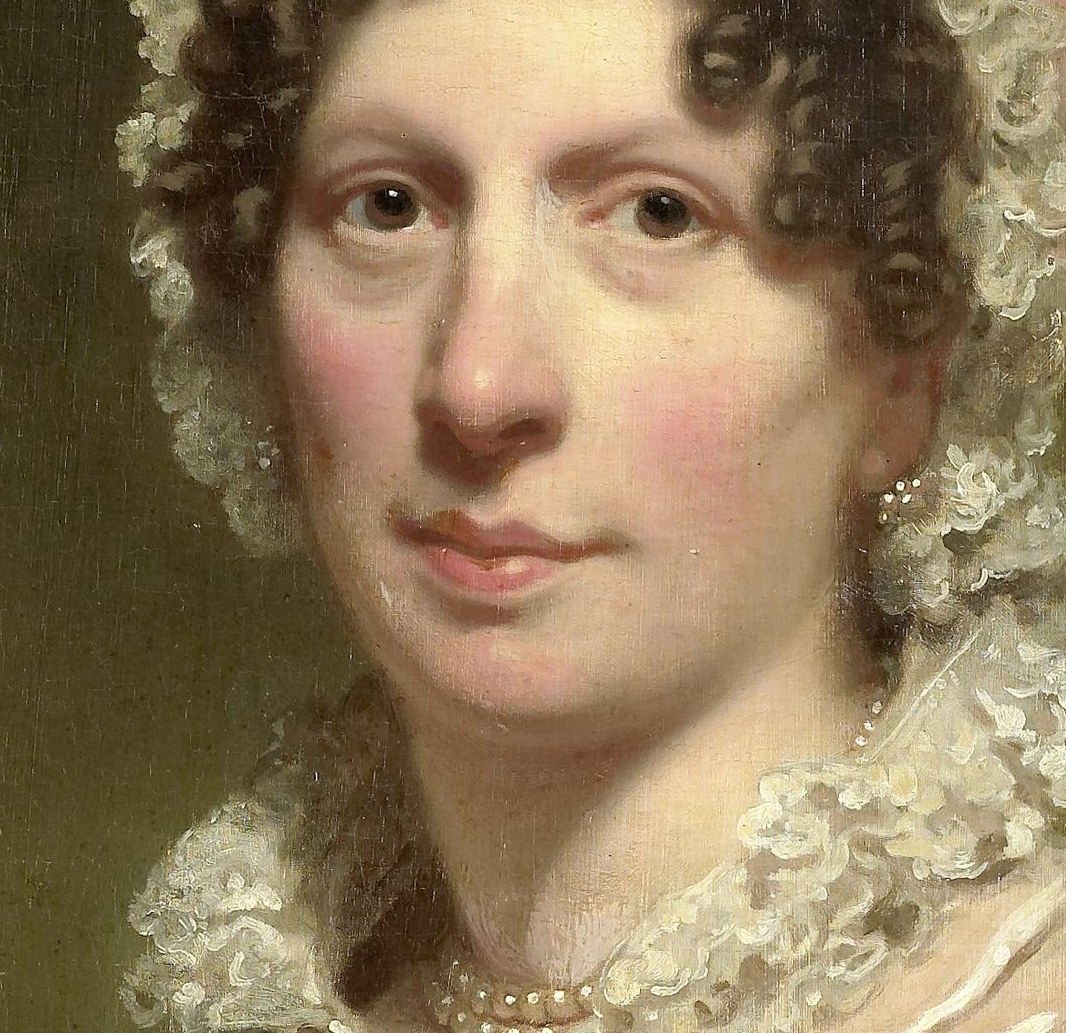
In 1812, Charles Howard Hodges painted this "Portrait of a Woman," now held at the Rijksmuseum. The unidentified sitter looks directly out at the viewer, her gaze quiet and composed, inviting contemplation.
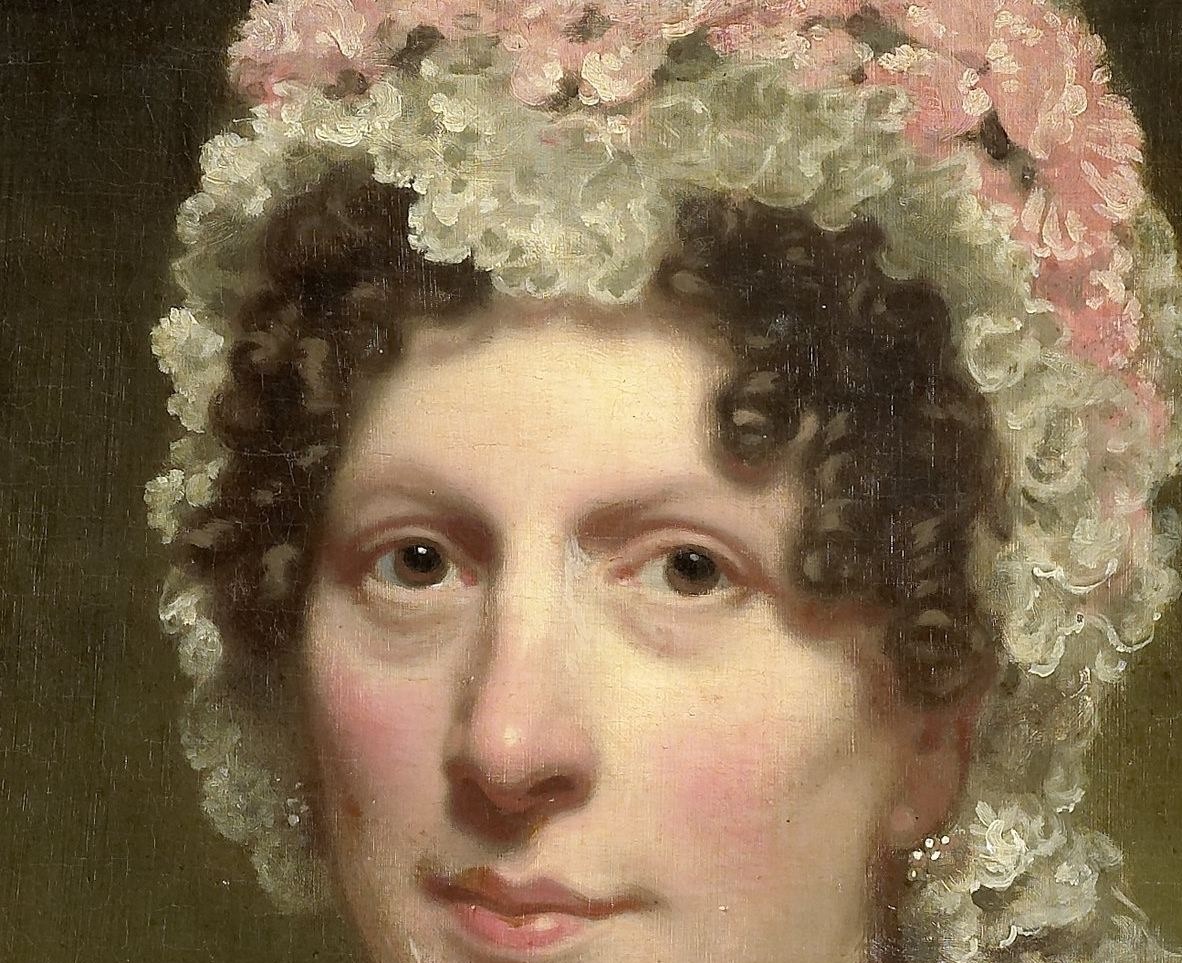
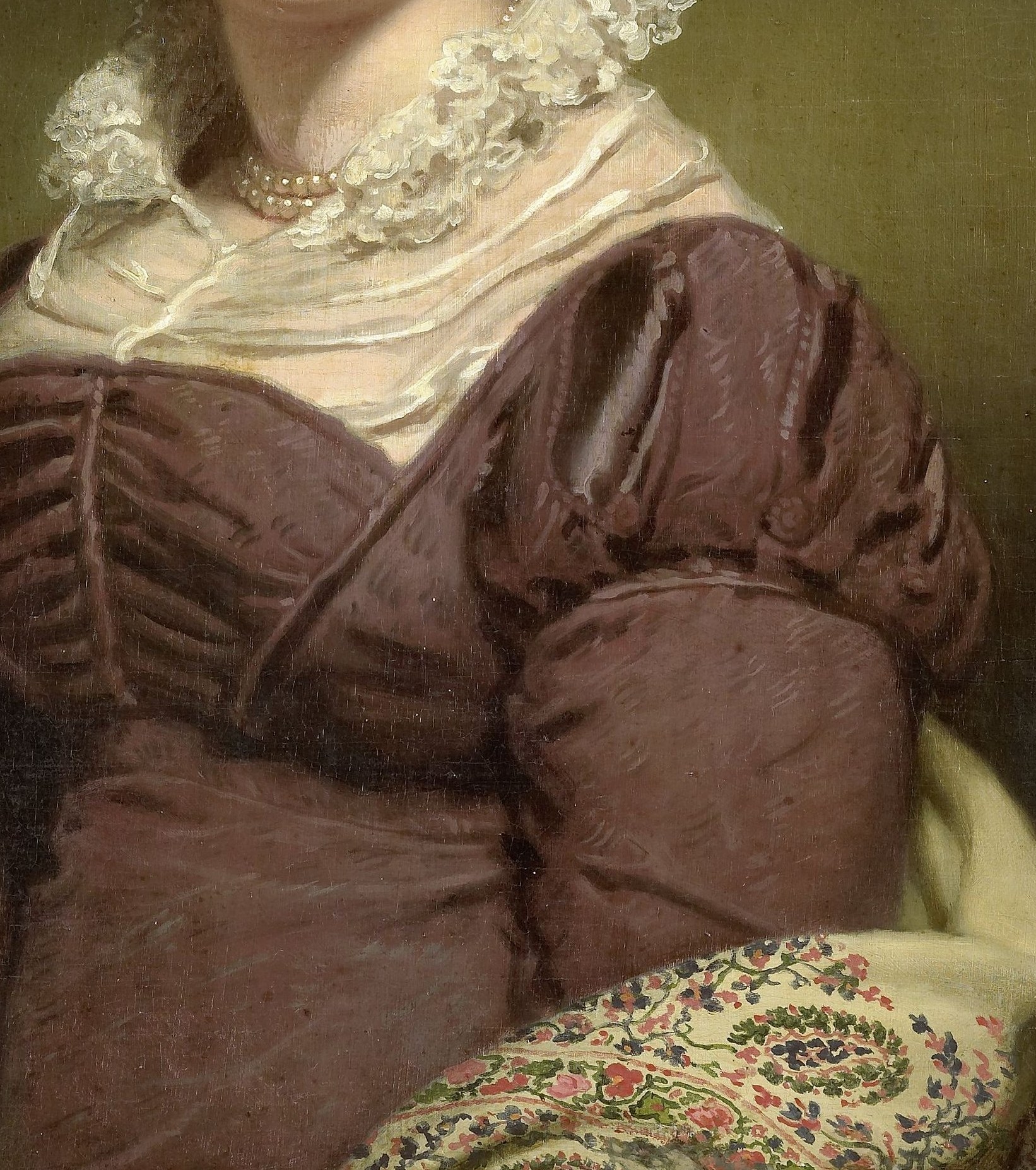
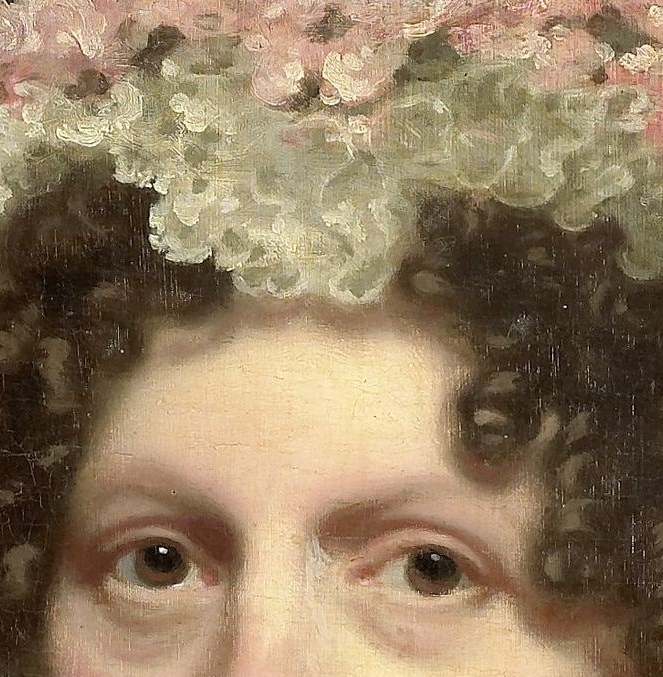
Notice how the artist uses light to highlight her face and eyes, drawing attention to her subtle, yet profound, expression. Her delicate lace bonnet, pearl necklace, and patterned shawl speak to a refined elegance of the era.
Hodges, an English painter working in the Netherlands, was known for his neoclassical portraits. This work exemplifies the period's focus on understated beauty and individual character, capturing a moment of timeless grace.
Who was this woman, and what do you see in her expression?
Details
Transcript
In 1812, this woman faced her portrait painter. She looks out directly, with a quiet gaze. The light catches her eyes, drawing you in. Her expression is gentle, yet also a little reserved. Hodges, her English painter, was active in the Netherlands. He captures a moment of quiet strength and elegance.