Nativity by Federico Barocci
Federico Barocci's "The Nativity," painted in 1597, is an exquisite example of late-Renaissance art, now housed at the Museo del Prado in Madrid. It's a testament to the artist's skill in blending naturalistic detail with profound spiritual meaning.
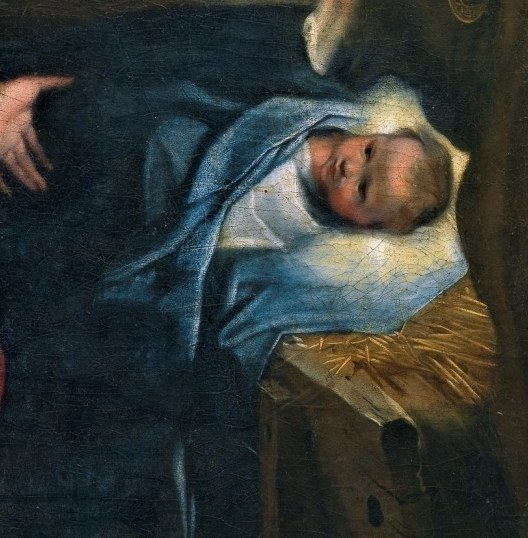
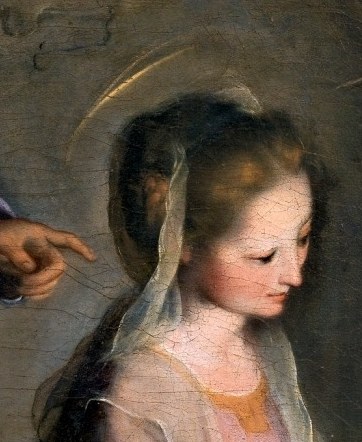
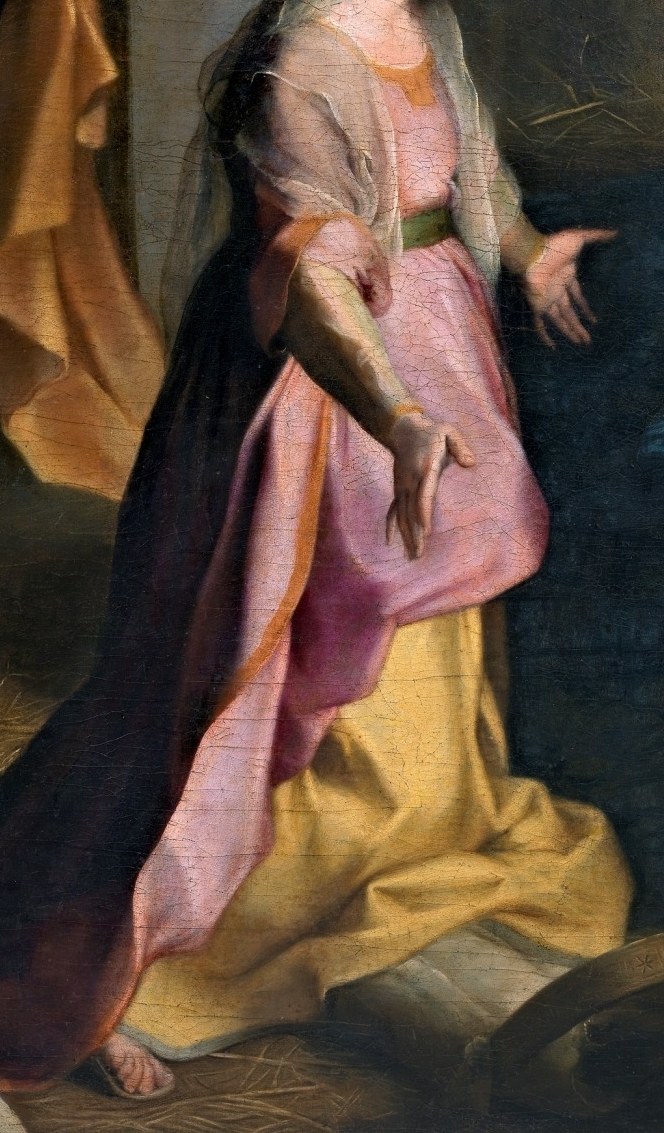
Barocci masterfully uses light emanating from the infant Jesus to draw the viewer's eye, creating a soft, atmospheric glow. Notice the delicate expressions of Mary and Joseph, and how their gazes and gestures subtly guide attention to the divine child in his humble manger.
Completed at the end of the 16th century, this oil on canvas painting became a cherished piece in the Spanish royal collection before moving to the Prado. Barocci, nicknamed Il Baroccio, was known for his innovative approach, foreshadowing the Baroque style and influencing painters like Rubens.
This painting encourages a contemplative and accessible visual narrative, reflecting the Counter-Reformation's emphasis on personal piety. What emotions does this intimate scene evoke in you?
Details
Transcript
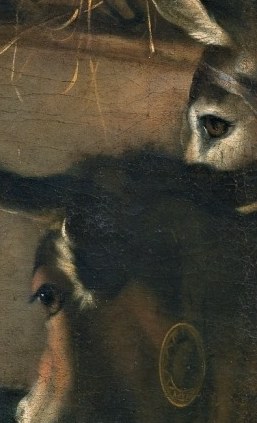
This painting from 1597 shows a familiar scene. But look closely at the light around the infant. The painter used a luminous technique to make him glow. Mary's face shows pure, motherly love. Joseph's hand points to the humble manger straw. Every detail, even a donkey's ear, grounds the scene. This work was a valued part of the Spanish royal collection. It was designed to inspire personal devotion in viewers.