Portrait of a Woman by David Baudringien
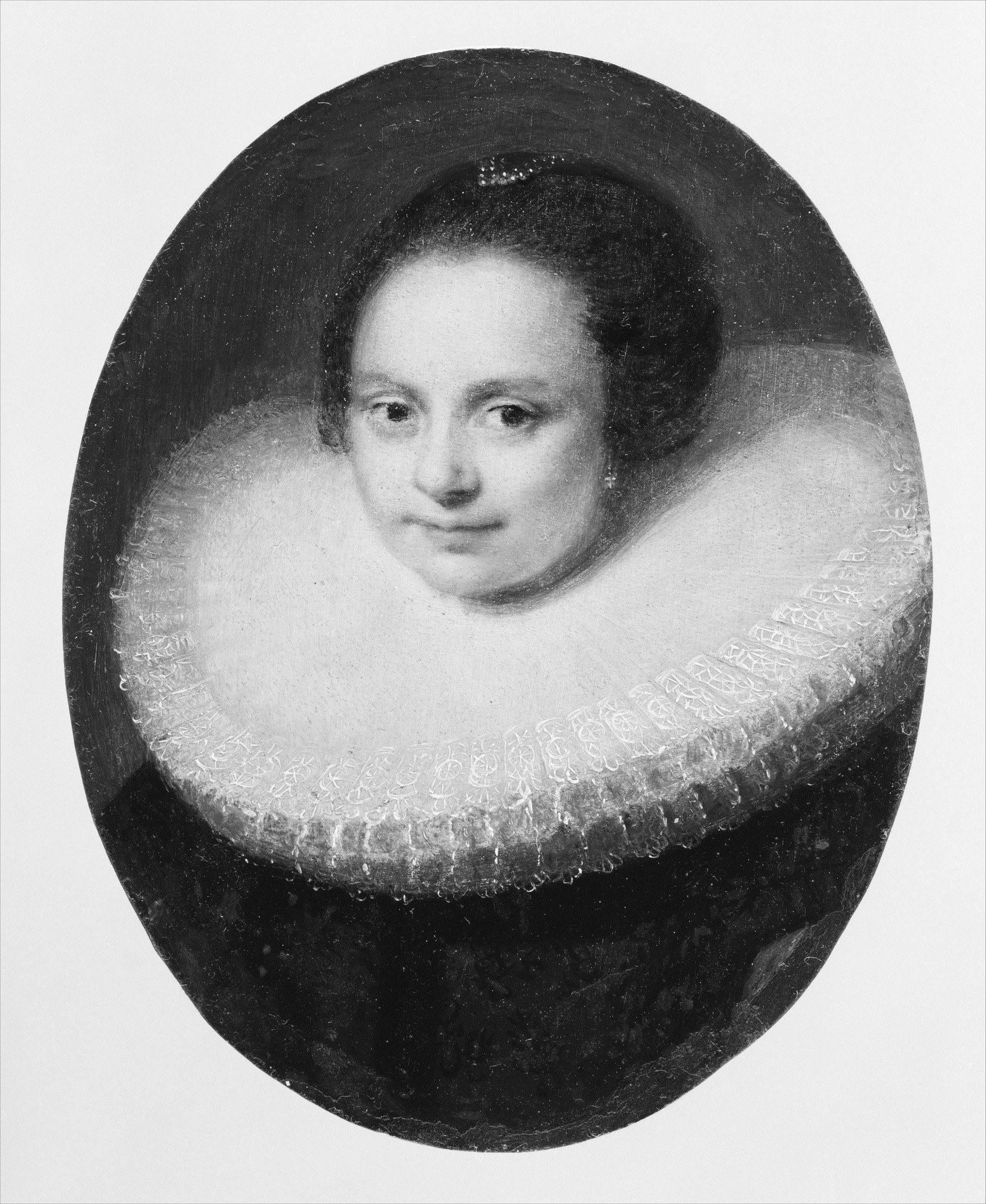
David Baudringien's "Portrait of a Woman," painted in 1625, captures a timeless and introspective gaze that still resonates today. Held at The Metropolitan Museum of Art, this painting is a testament to the power of 17th-century portraiture.
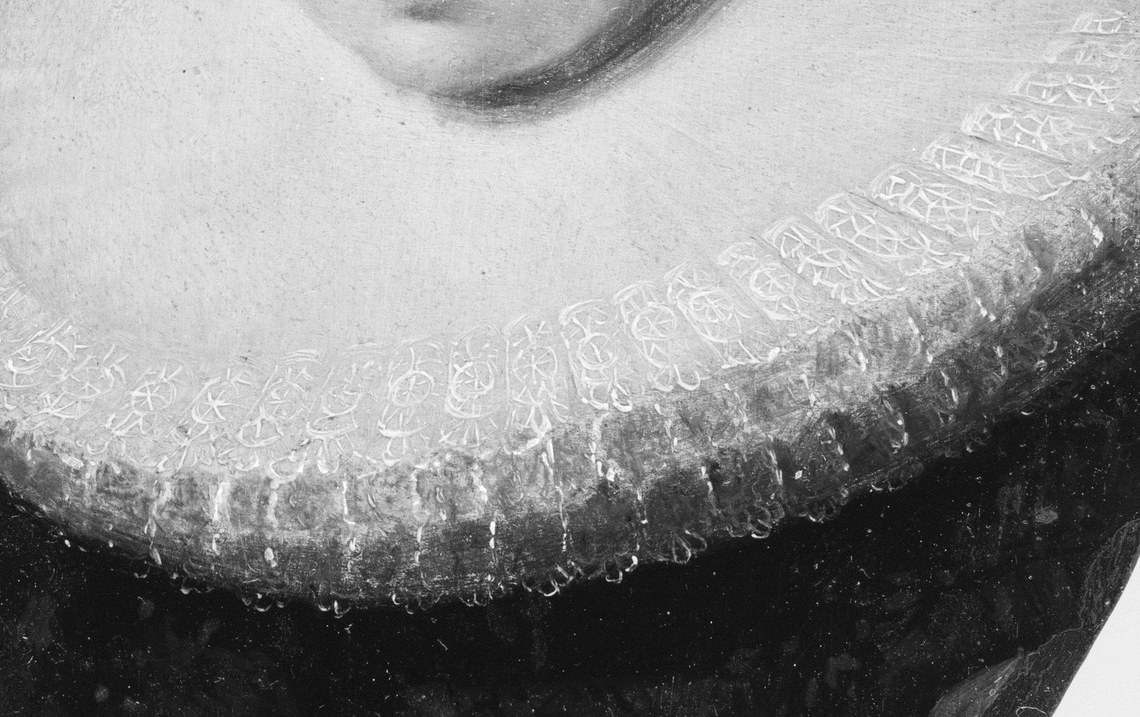
Notice how the artist uses a stark, dark background and a voluminous dark dress contrasted by a prominent white ruffled collar to draw all attention to the woman's face. Her direct, unblinking gaze and finely rendered features convey a profound sense of quiet reflection, inviting a personal connection with the sitter.
Baudringien (1581-1650), born in Tournai, masterfully employs chiaroscuro, strong contrasts between light and dark, to sculpt the figure. This dramatic interplay of illumination and shadow enhances the three-dimensionality of her face, making her presence feel remarkably alive. The subtle ornament in her dark, neatly styled hair is a small detail that hints at her refined appearance and social standing.
What do you see in her expression? The subtle highlights in her eyes suggest a living presence, making her quiet connection across centuries all the more compelling.
Details

Transcript
This quiet portrait, painted in 1625, draws you in. Her face, framed by a stark white collar, holds your attention. The painter, David Baudringien, used light and shadow to sculpt her face. Her dark, watchful eyes meet yours directly. This subtle expression gives a sense of quiet reflection. A timeless gaze, from nearly 400 years ago.