The Copley Family by Copley, John Singleton
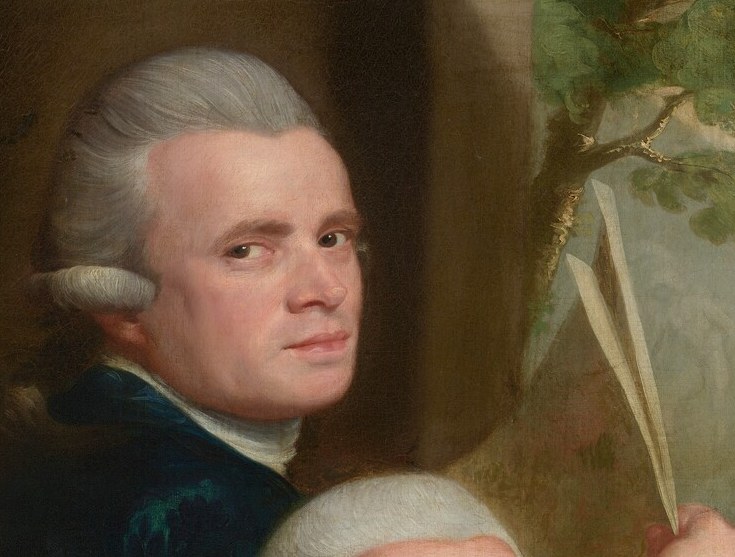
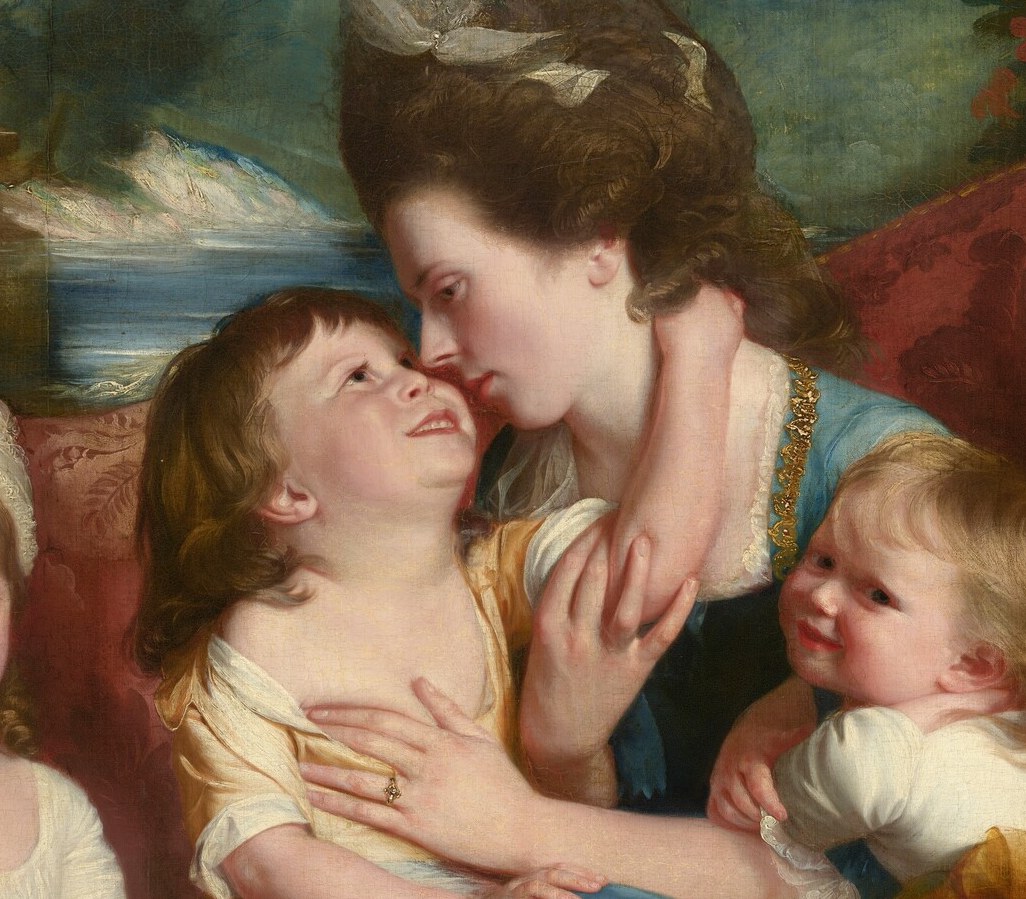
Completed between 1776 and 1777, John Singleton Copley's "The Copley Family" at the National Gallery of Art captures an intimate moment during a time of great upheaval. The American War of Independence had forced Copley to relocate to Britain, yet his family remains the steadfast subject of this powerful group portrait.
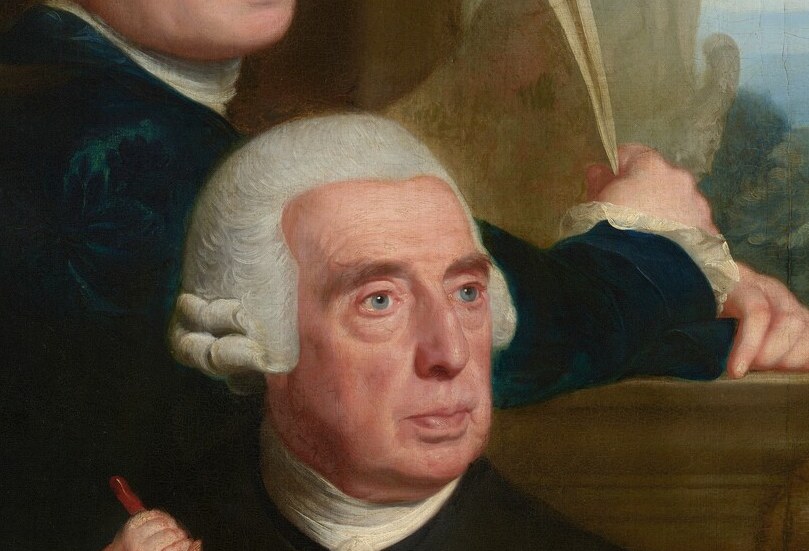
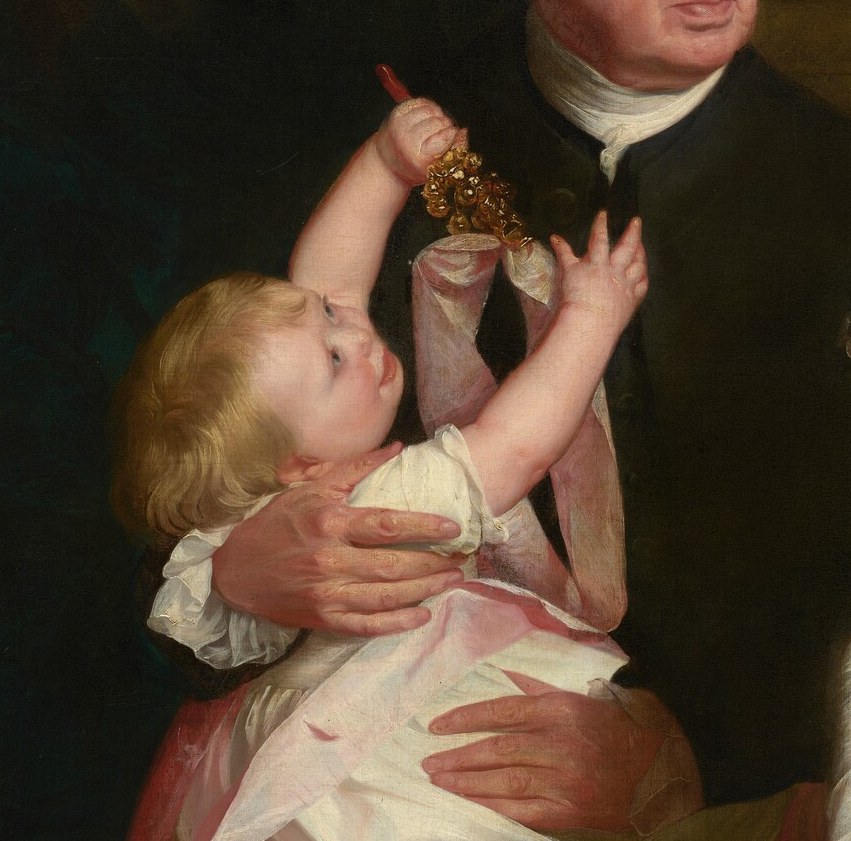
Notice the subtle details: the father-in-law's hand on Copley's shoulder, perhaps signifying a shared burden or a connection across loyalties. The child's upward reach towards a chain can be seen as a symbol of hope and aspiration, reflecting the family's dreams amidst an uncertain world.
This painting was exhibited at the Royal Academy's Summer Exhibition in London shortly after its creation. It remained in the Copley family for generations, a testament to the enduring bond depicted within the canvas, even as the artist himself adapted to a new home and a changing political landscape.
How do you think families navigate such profound historical shifts?
Details
Transcript
This family portrait was painted during a war. The artist, John Singleton Copley, left America for Britain. His father-in-law was a Loyalist, still in America. His hand rests on Copley's shoulder, a gesture of shared burden. Amidst turmoil, the family embraces, a quiet center. The child reaches for a chain, symbolizing hope for the future. Copley's family finds unity, even across an ocean.