Christopher Columbus and His Son at La Rábida by Delacroix, Eugène
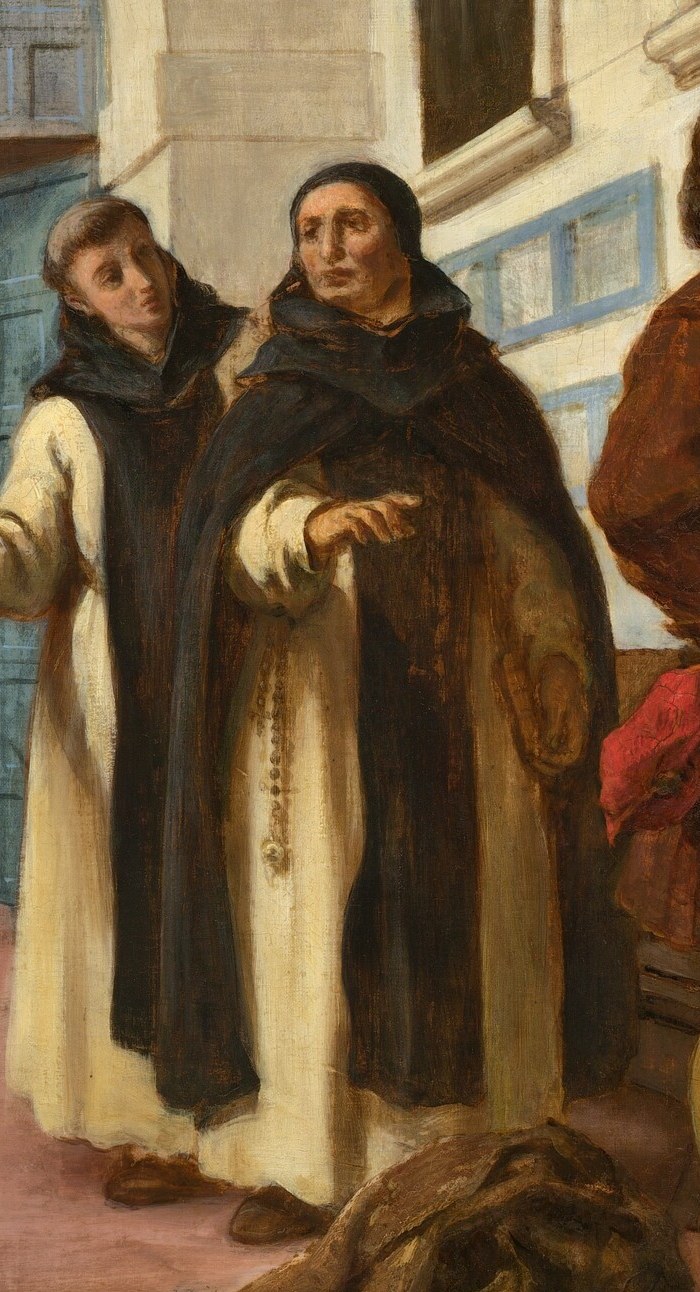
Eugène Delacroix's *Christopher Columbus and His Son at La Rábida*, painted in 1838, is a pivotal work of French Romanticism housed in the Metropolitan Museum of Art. This dramatic oil on canvas work reimagines a key moment in the explorer's life, blending historical narrative with emotional intensity.
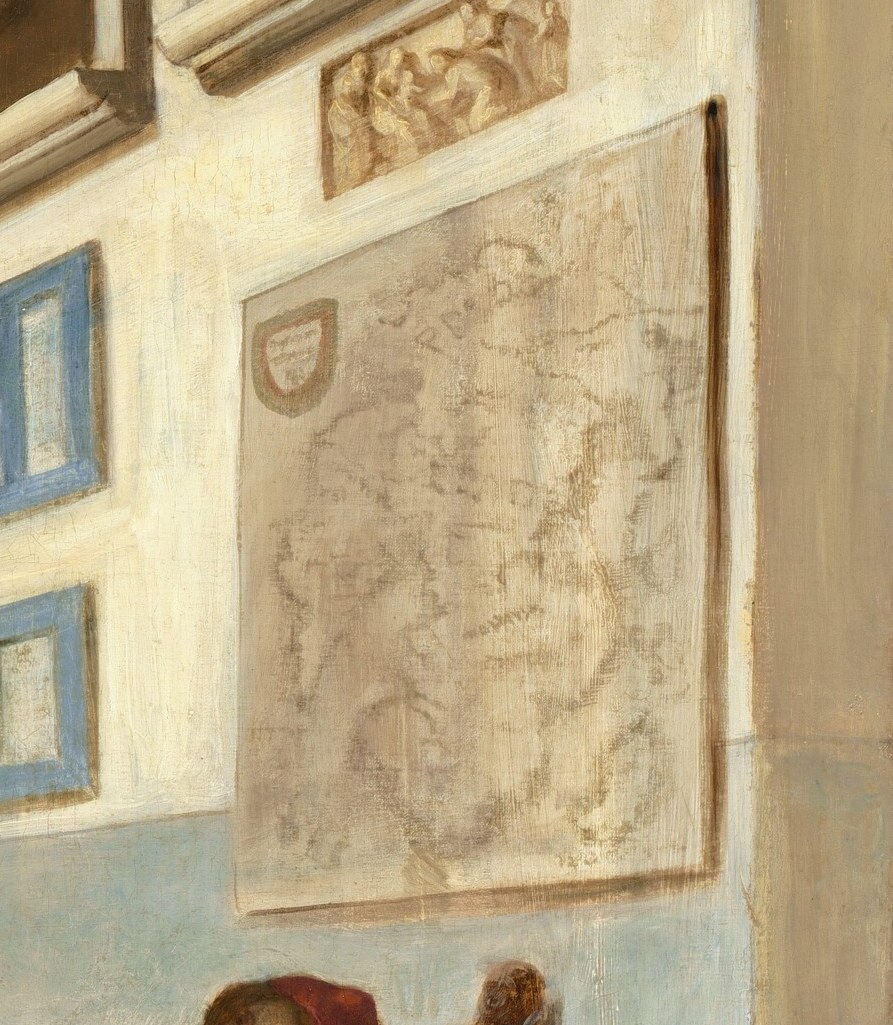
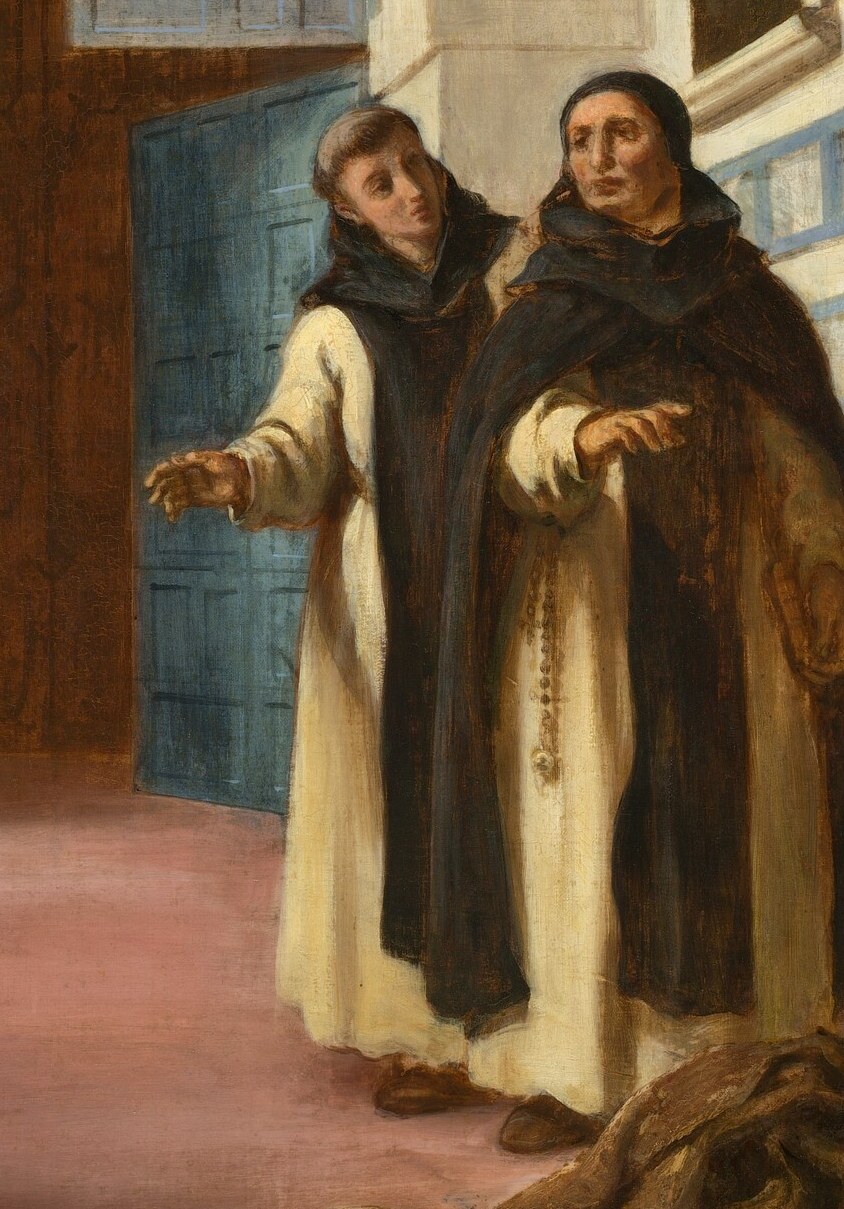
Observe the subtle details: the map on the wall underscores Columbus's ambitions, while the presence of the monks and their gestures suggest a dialogue between worldly endeavors and spiritual guidance. The artist's use of light and shadow highlights the figures, drawing the viewer into the scene's emotional core.
Delacroix, a leading figure of his time, often drew inspiration from historical and literary subjects, infusing them with vibrant color and dynamic movement. This painting exemplifies his rejection of Neoclassical precision in favor of a more expressive style, echoing his admiration for Rubens and Venetian Renaissance masters.
What do you think is being discussed in this dimly lit monastic hall?
Details
Transcript
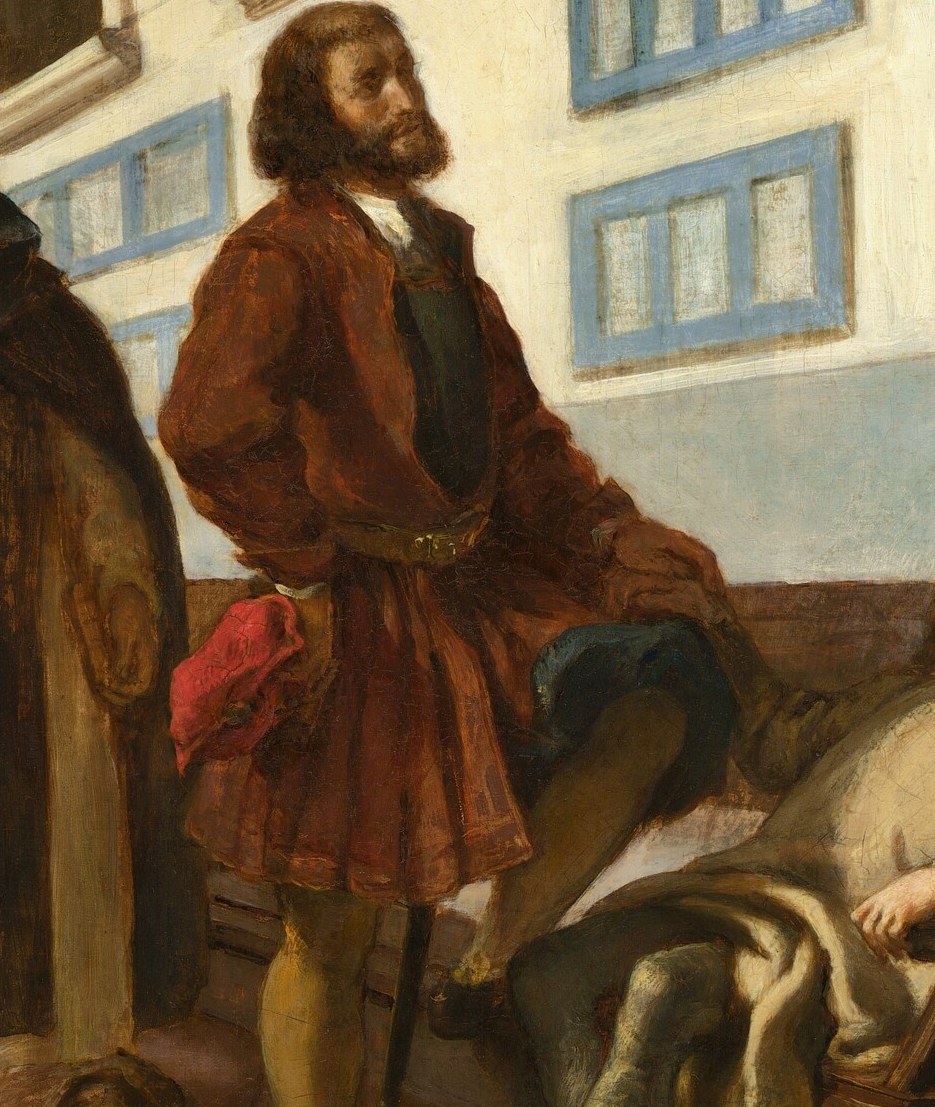
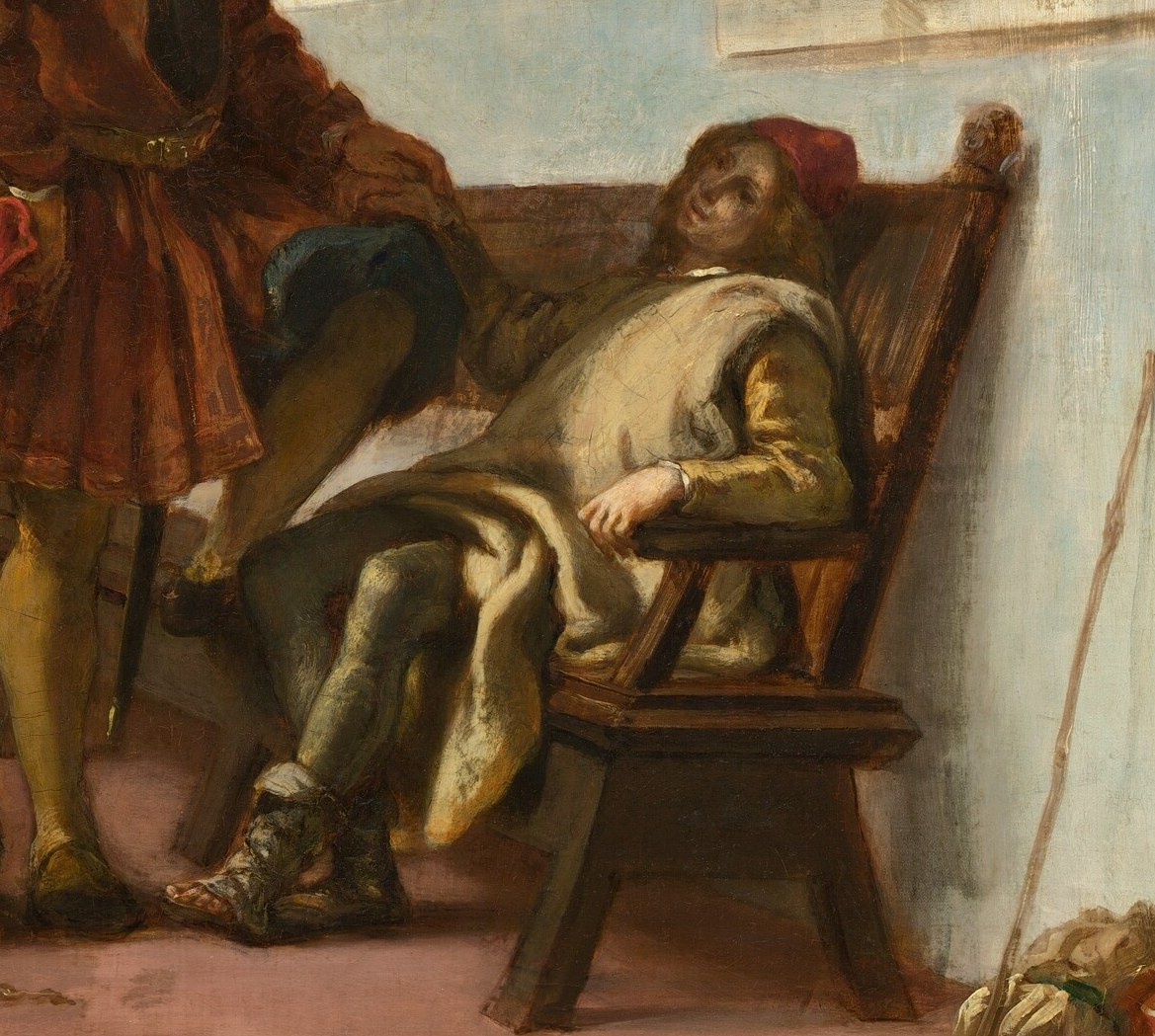
This painting shows Columbus and his son at a monastery. The map on the wall hints at the grand voyages he plans. Monks often provided shelter and support for travelers. This monk gestures, perhaps explaining or persuading. The explorer listens, poised between ambition and faith. Delacroix painted this in 1838, a Romantic retelling of history.