Man with a Tune Book: Possibly Mr. Cook by Field, Erastus Salisbury
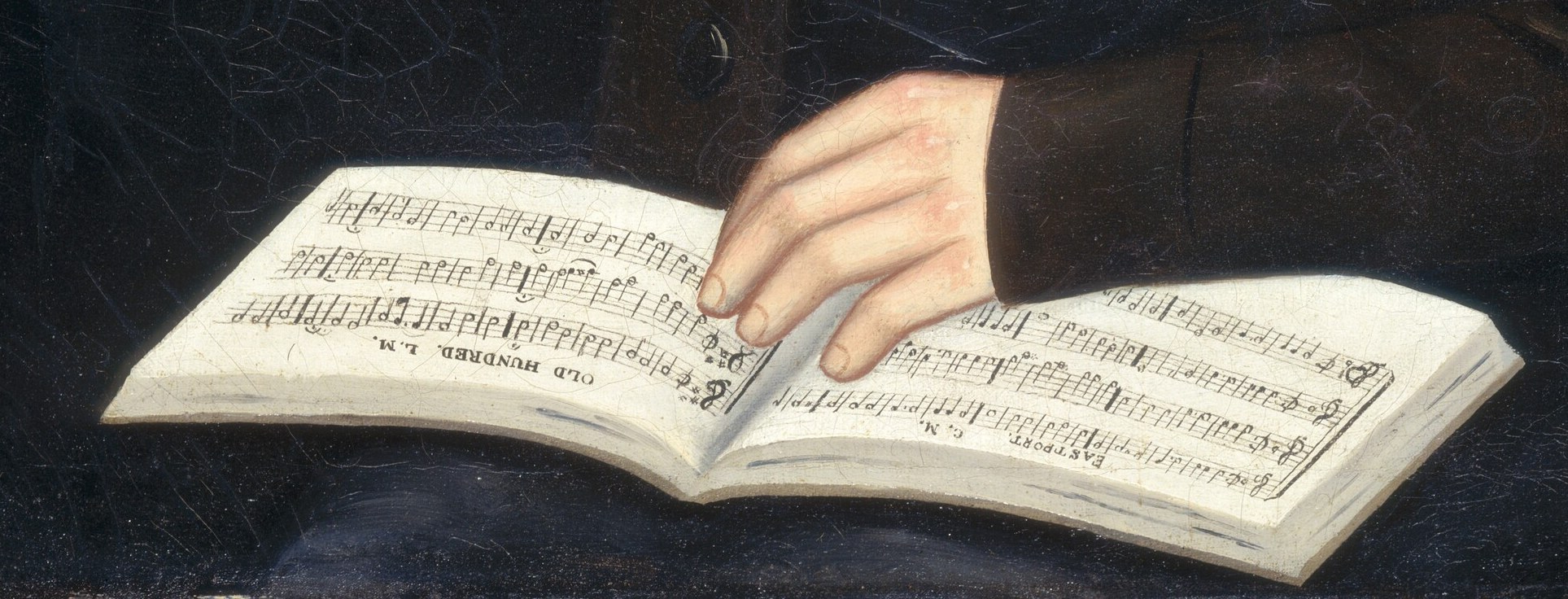
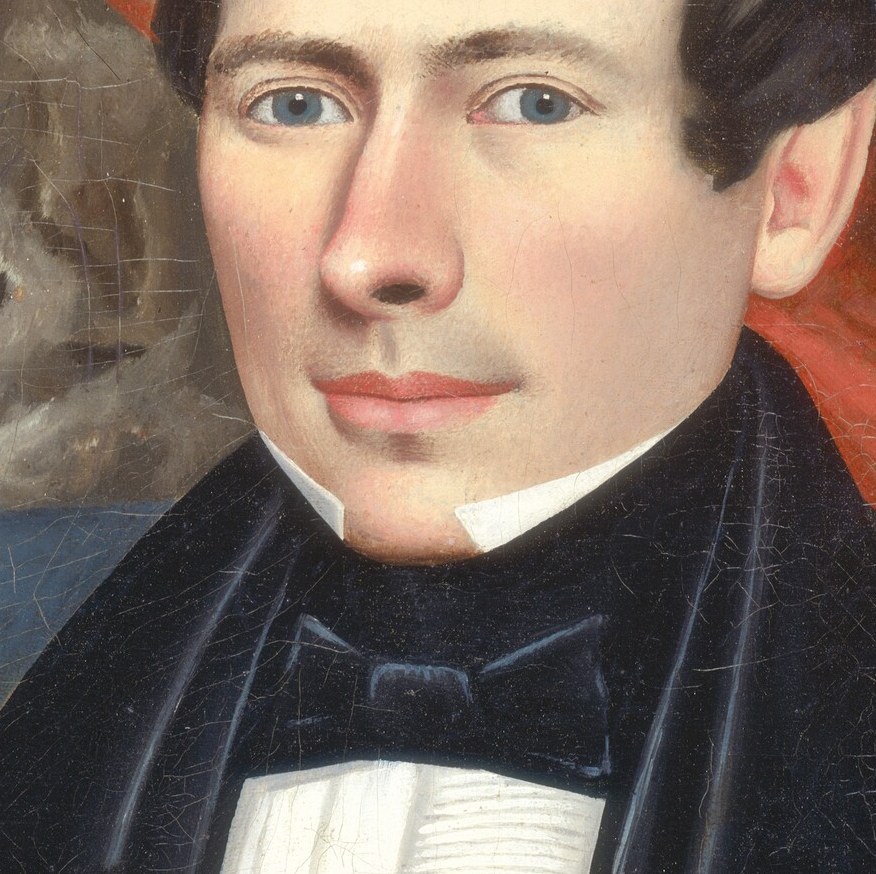
Erastus Salisbury Field's 'Man with a Tune Book: Possibly Mr. Cook,' painted around 1838, is more than just a likeness; it's a carefully crafted personal statement. The man in the portrait holds an open tune book, which at first glance seems a simple detail.
A closer look at the sheet music reveals an inscription, identifiable as the start of 'The Last Rose of Summer.' This wasn't just any song; it was an incredibly popular and sentimental ballad of the 1830s, known for its themes of solitude and fading beauty.
Field, an American artist, likely used this specific musical choice to convey something about the sitter's character, perhaps his refined taste, his appreciation for melancholic beauty, or a sensitive and introspective personality. The portrait, housed in a prominent museum, thus uses an everyday object to add depth to its subject.
What other subtle details do you think artists used to tell stories about their sitters?
Details
Transcript
This isn't just a portrait of a man, it's a statement. He holds an open tune book, a sign of cultivation. The inscription on the music isn't just decoration. It's the opening to 'The Last Rose of Summer,' a popular song. This was a sentimental ballad, loved in the 1830s. The painter used the song to hint at the sitter's sensitive nature.