Portrait of Sara Wolphaerts van Diemen by Frans Hals
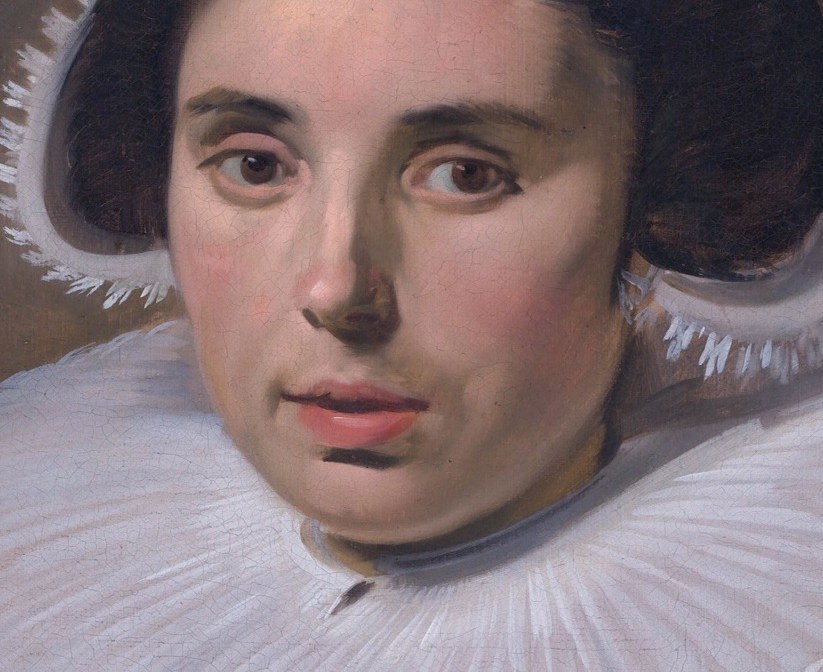
Step into 17th-century Amsterdam with Frans Hals's "Portrait of Sara Wolphaerts van Diemen," painted around 1630-1633 and now in the Rijksmuseum, Amsterdam. This striking portrait captures the essence of a prosperous Dutch Golden Age woman.
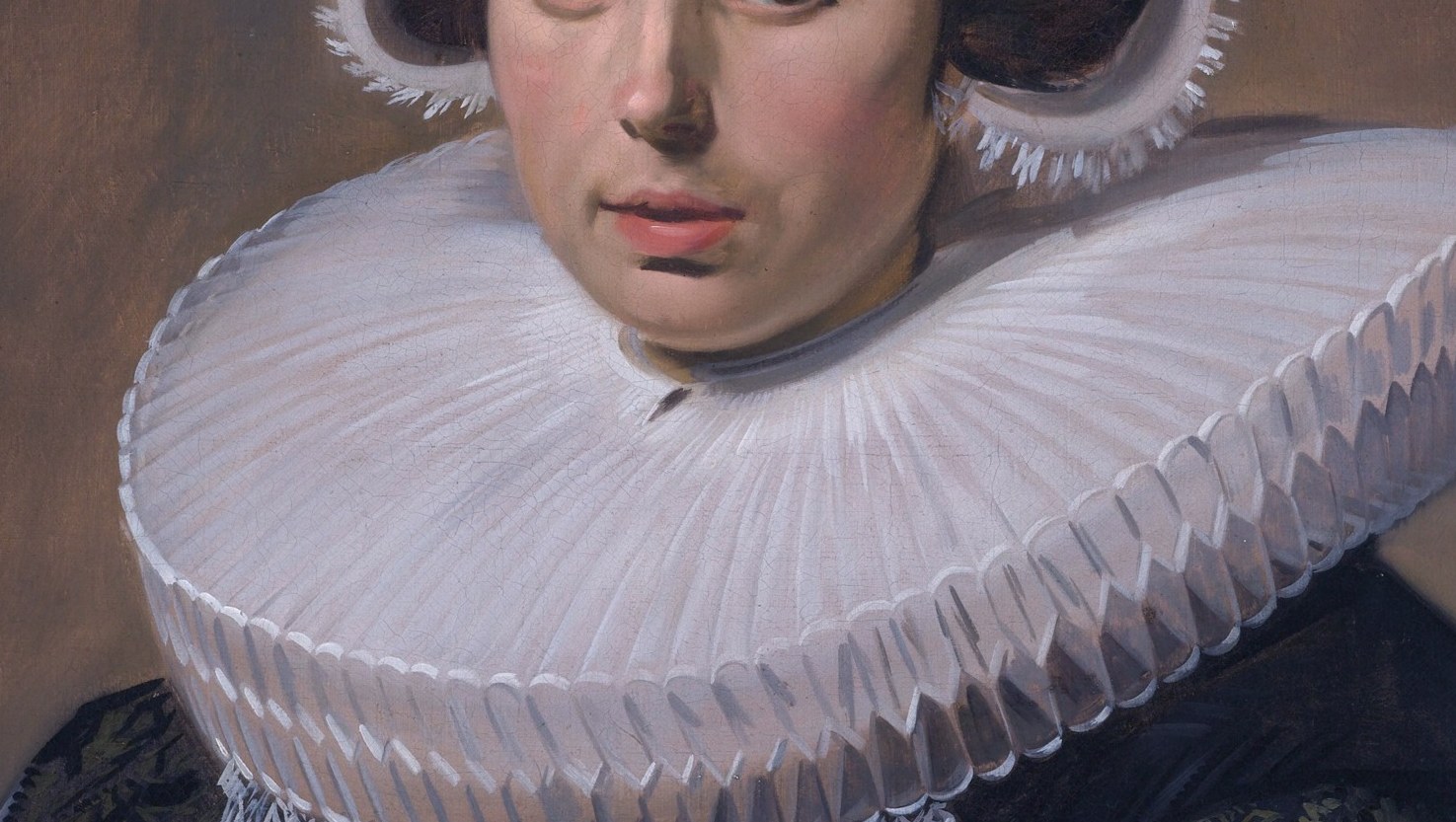
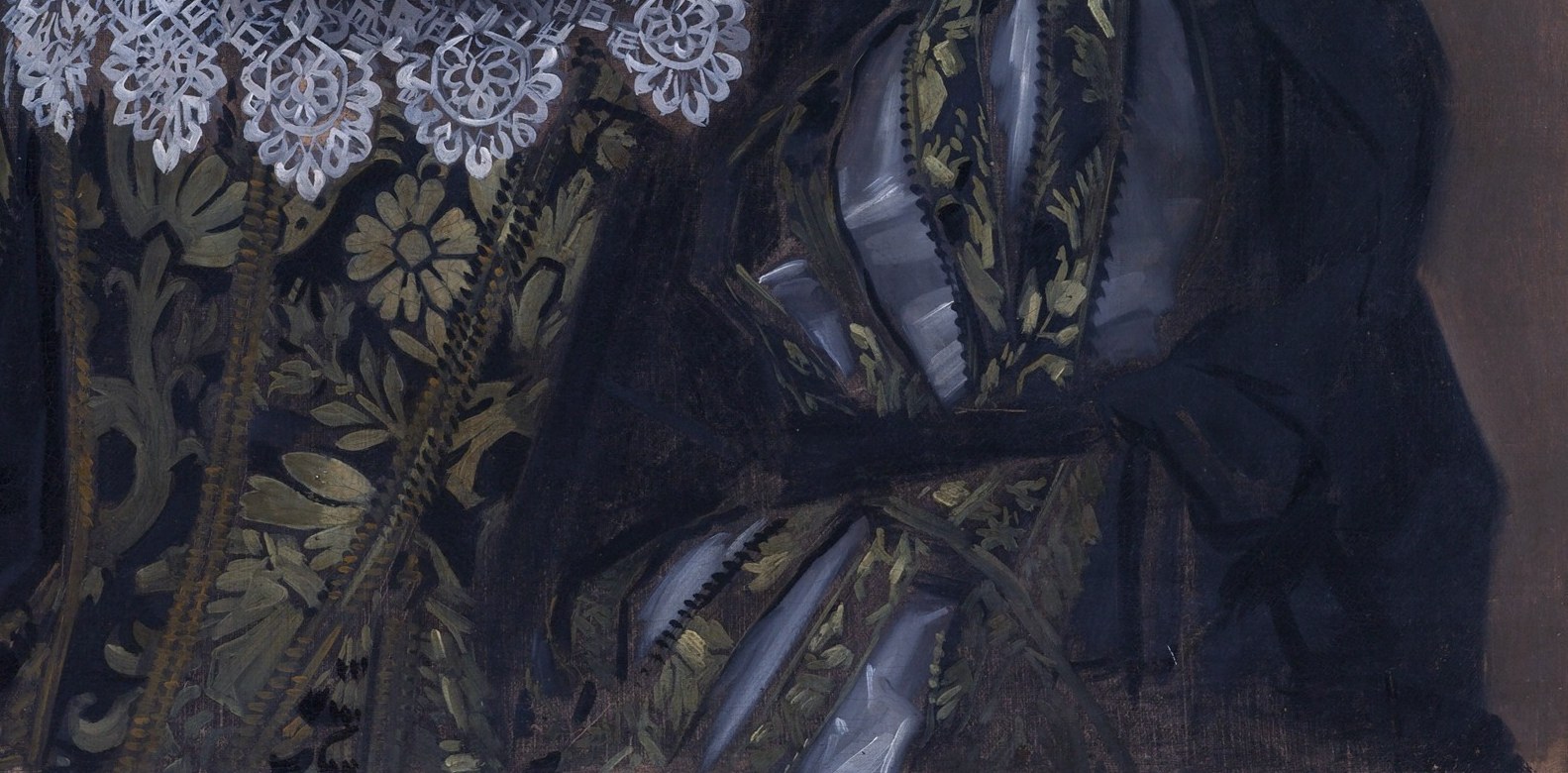
Look closely at Sara's attire: her elaborate white ruff and the delicate lace collar detail on her dark, patterned dress were not merely fashion statements but clear indicators of her family's wealth and social standing in a thriving mercantile society.
Frans Hals, a leading portraitist of his time, was celebrated for bringing his subjects to life. He used brisk brushwork to convey texture and expression, emphasizing the sitter's individuality while documenting societal norms. This painting was a pendant to her husband Nicolaes Hasselaer's portrait, a common practice for married couples to display their alliance and status.
What do you notice first about Sara's expression?
Details
Transcript
Amsterdam, 1630s. A bustling port city built on trade. This is Sara Wolphaerts van Diemen, a prominent merchant's wife. Her starched white ruff was a marker of wealth and status. Notice the intricate lace on her bodice, a luxury item. Her dark, patterned dress reflected the era's somber but rich fashion. This portrait was a companion to her husband's, a common custom.