St. Sebastian fair in a Flemish village by Jacob Savery
Jacob Savery's 'St. Sebastian fair in a Flemish village,' painted in 1598, captures a lively scene that is more than just a snapshot of daily life. This oil painting, held at the Mauritshuis, reveals a deeper, protective meaning beneath its festive surface.
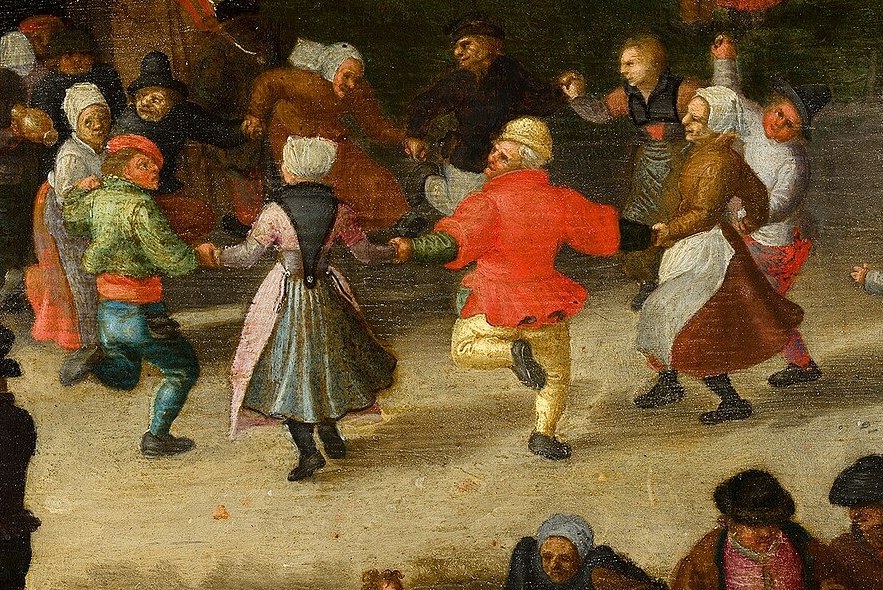
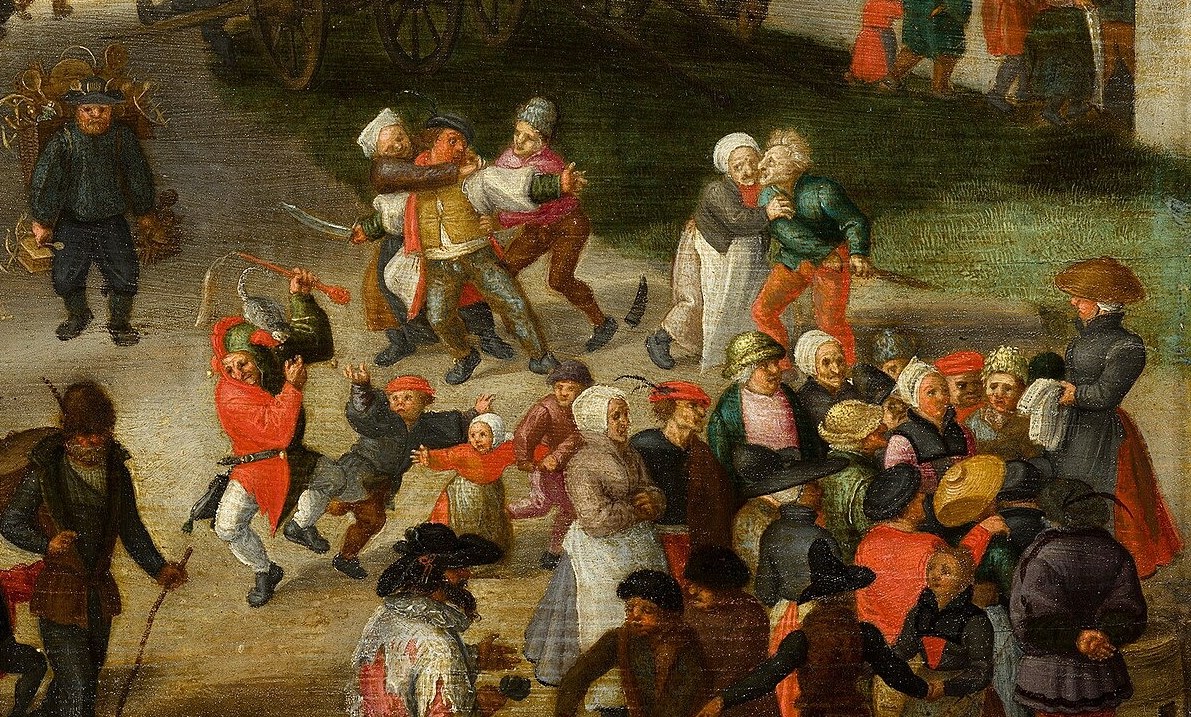
Look closely at the bustling market stalls, the dancing villagers, and the children at play. The painting is filled with the energy and joy of a communal gathering, but a critical detail highlights its underlying purpose. A red banner prominently displays Saint Sebastian, pierced by arrows.
In the 16th century, Saint Sebastian was widely invoked for protection against the plague, a constant threat across Europe. Thus, this vibrant village fair, with its music and merriment, also served as a communal prayer, a hope for safeguarding the community from illness. Savery, a Flemish painter who moved to the Dutch Republic, often depicted landscapes and genre scenes, infusing them with contemporary meaning.
What other hidden meanings might these old paintings hold?
Details
Transcript
A busy day at a village fair, in 1598. Musicians play, and villagers dance in a circle. Children play, and merchants sell their goods. But this fair has a hidden meaning, too. A red banner proclaims Saint Sebastian, shot with arrows. In this era, he was invoked against the plague. A joyful scene, but also a prayer for protection.