Virgin and Child Enthroned, with Saints Jerome and John the Baptist and a Carthusian Monk by Jan Provoost
This 16th-century painting, "Virgin and Child Enthroned, with Saints Jerome and John the Baptist and a Carthusian Monk" by Jan Provoost, is full of rich detail and hidden symbolism. Painted around 1510, it's a prime example of Northern Renaissance devotional art, now in the Rijksmuseum.
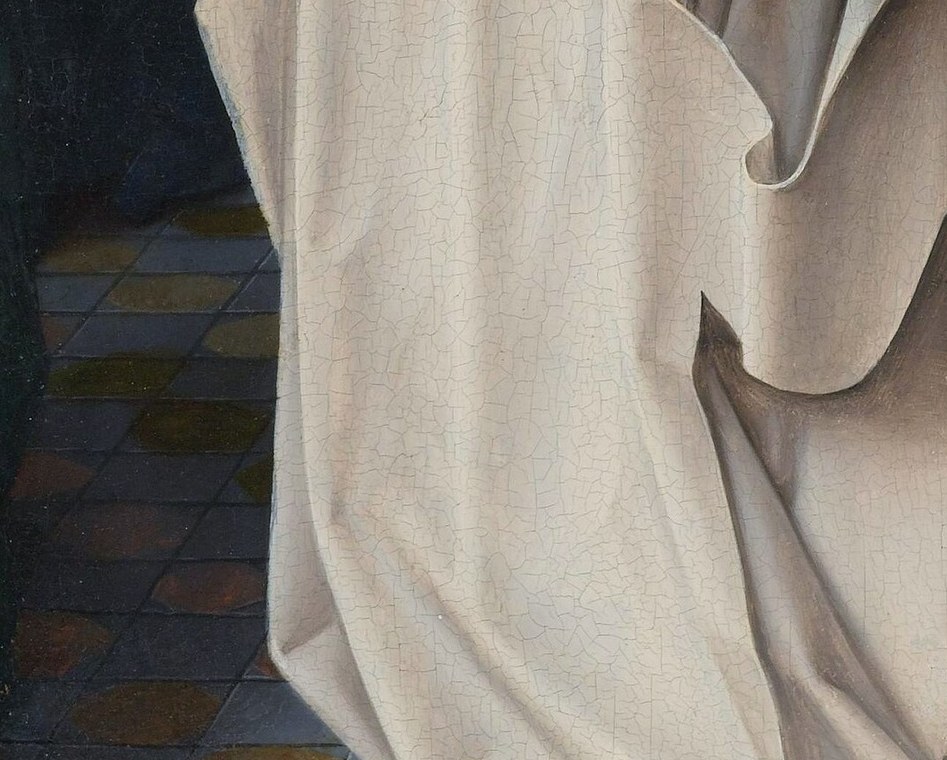
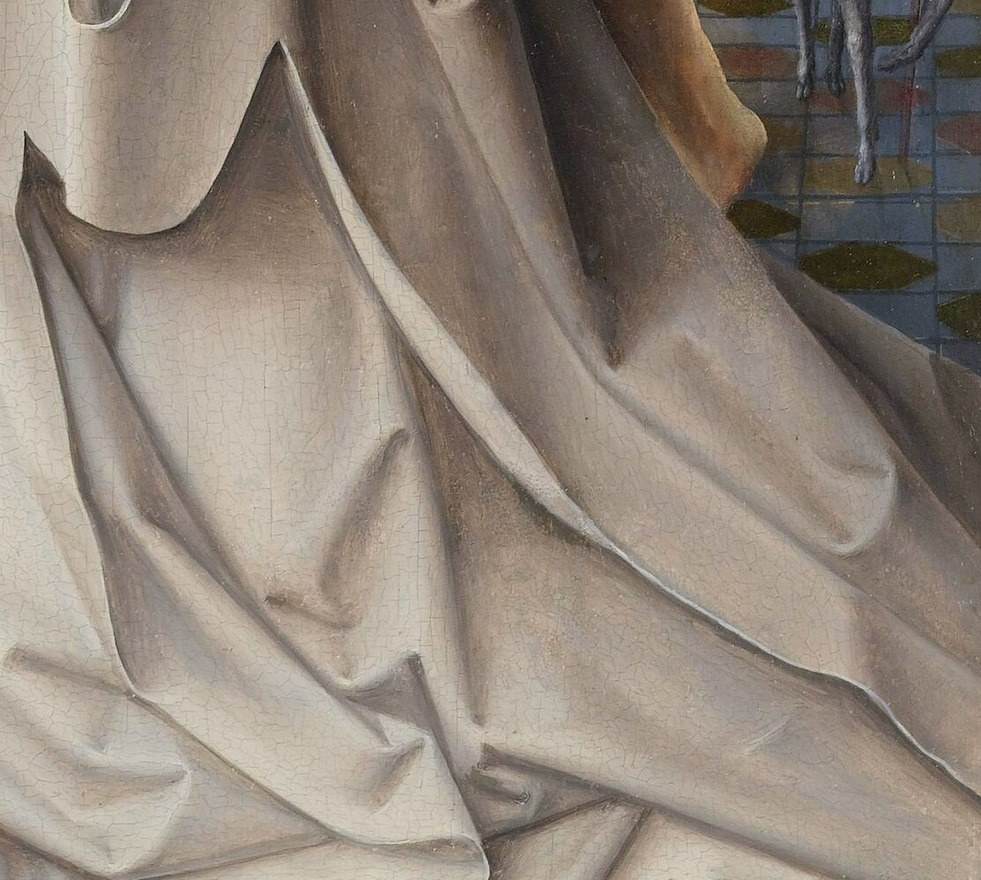
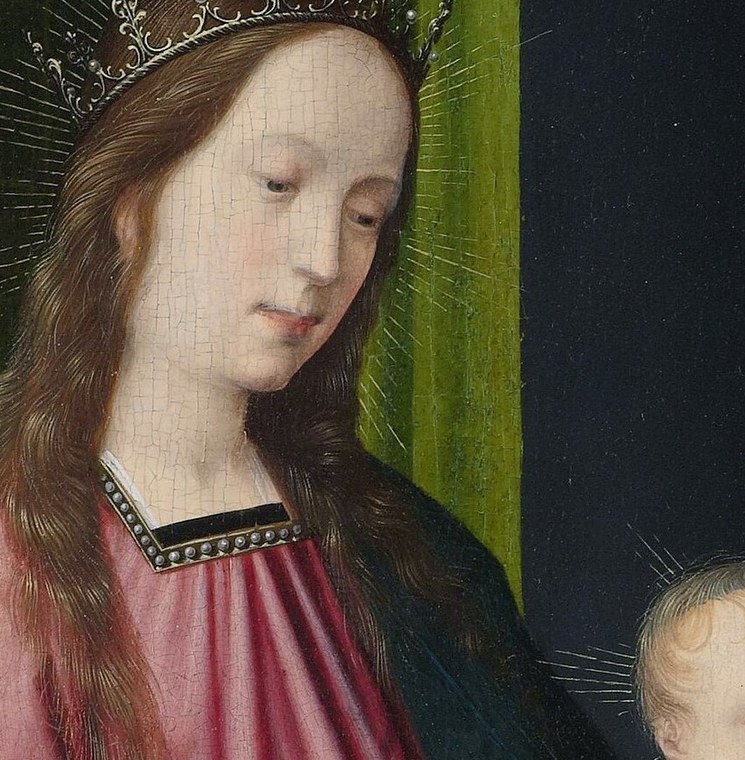
Take a moment to explore the scene: the serene Virgin Mary, the infant Jesus reaching for rosary beads, and the devoted saints and monk. Provoost's meticulous hand is evident in the detailed fabrics and architectural elements.
Jan Provoost, a prolific master from Mons, ran workshops in both Bruges and Antwerp. He was also a cartographer and engineer, showing the breadth of skills expected of artists in his time. His style often incorporated influences from contemporaries like Gerard David and Hans Memling.
Did you spot the subtle lamb in the background, a powerful symbol of sacrifice? This small detail adds another layer of meaning to the sacred scene.
Details
Transcript
This 16th-century painting shows the Virgin Mary, Jesus, and saints. It was painted by Jan Provoost in 1510, a Flemish master. The Carthusian monk on the left folds his hands in prayer. The painter also rendered intricate patterns on the throne's fabric. But look closely in the background, by Saint John the Baptist. There, a small lamb, a symbol of Christ's sacrifice, awaits.