Luke White by Stuart, Gilbert
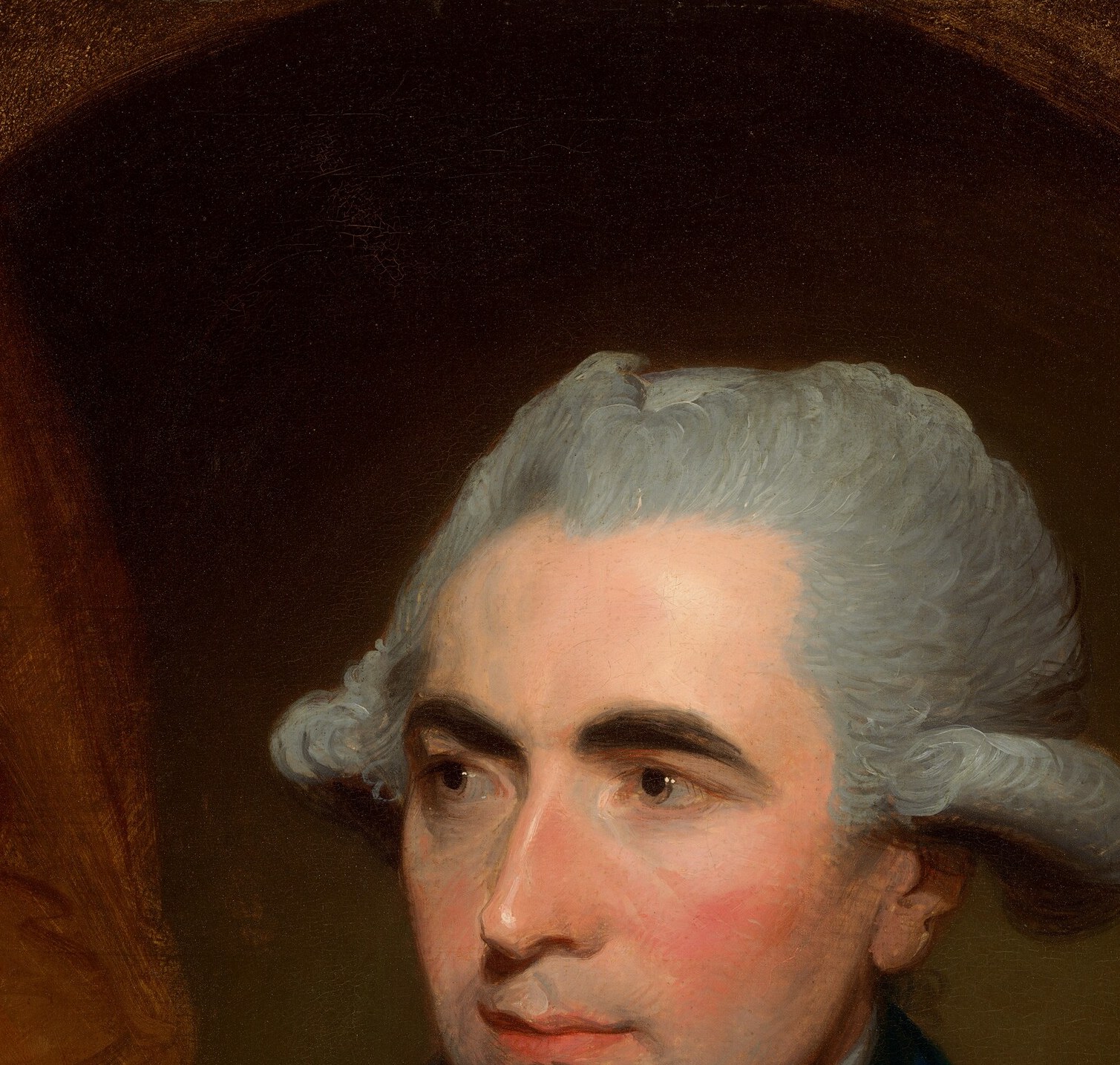
Gilbert Stuart painted this portrait of Luke White in Dublin around 1787, capturing a man whose wealth quietly shaped a nation. White was a bookseller and lottery operator who became one of the richest men in Ireland, and he channeled that fortune into a clandestine cause: funding the campaign for Irish legislative independence.
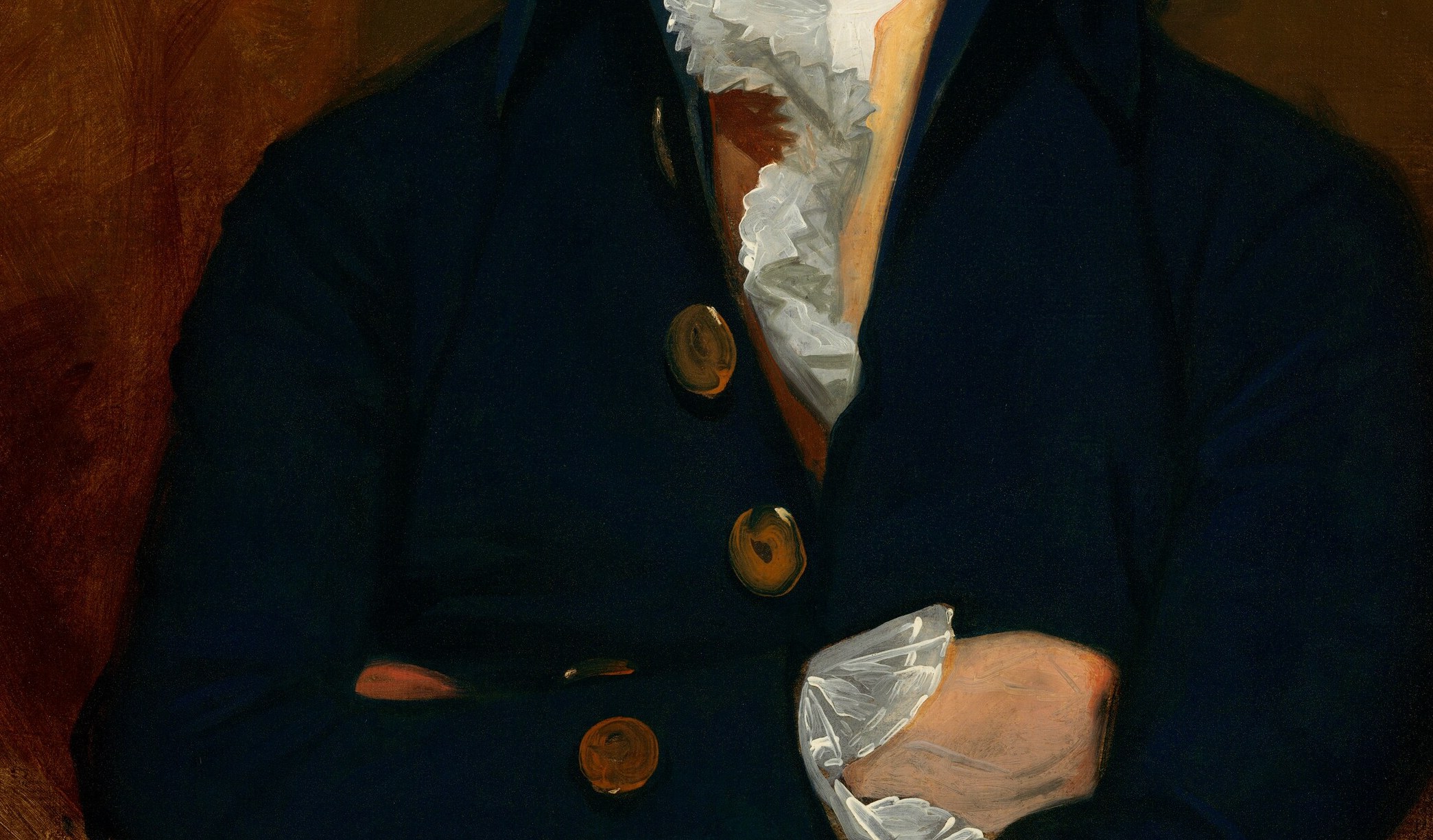
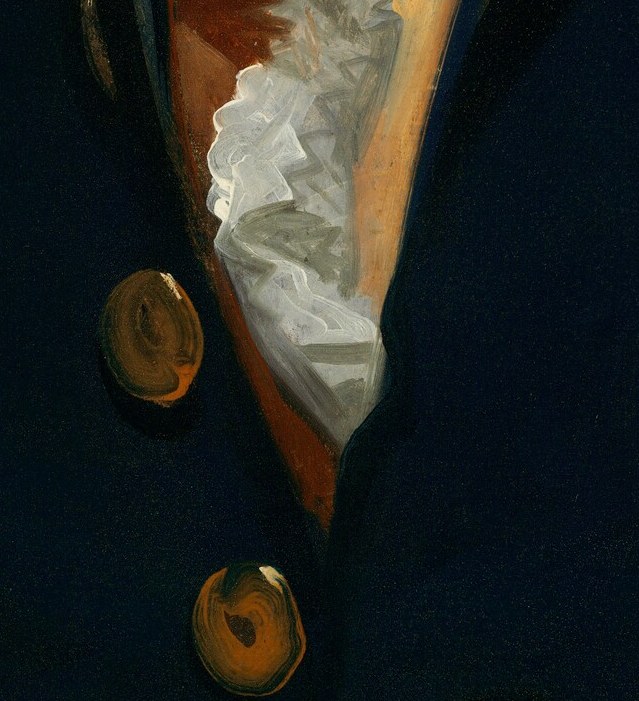
Stuart was already a master of character. Look at the sitter’s folded arms and the direct, calculating gaze. The crossed-arms pose was unusual for a formal portrait, but it projects the self-possession of a businessman who earned his own power. The gold watch fob glinting at his waistcoat and the crisp white cravat are Stuart’s precise signifiers of status, rendered with the same meticulous hand that would soon paint the first six U.S. presidents.
The painting mysteriously vanished from the historical record, its location unknown for generations. It was considered a lost work by the artist who defined the visual identity of the early American republic. Then, astonishingly, it turned up in a New York antique shop, where it was identified and recognized as a significant piece of Irish and American heritage.
A portrait of a hidden revolutionary, lost and found, painted by the man who gave us the face on the dollar bill. What other stories might be sitting in the corners of a shop right now?
Details
Transcript
He painted George Washington, but this man funded a revolution. The confidence in those arms. This is a self-made man. Gilbert Stuart captured him in Dublin, around 1787. Luke White made a fortune in books and lotteries. He even ran a secret lottery to fund the fight for Irish independence. The painting vanished for decades, its whereabouts a mystery. It resurfaced in a New York antique shop, a national treasure in the dust.