The People's Census at Bethlehem by Pieter Brueghel the Elder
Pieter Bruegel the Elder's "The People's Census at Bethlehem," painted in 1566 and housed in the Oldmasters Museum in Brussels, is a masterclass in rendering a bustling, complex scene with astonishing clarity.
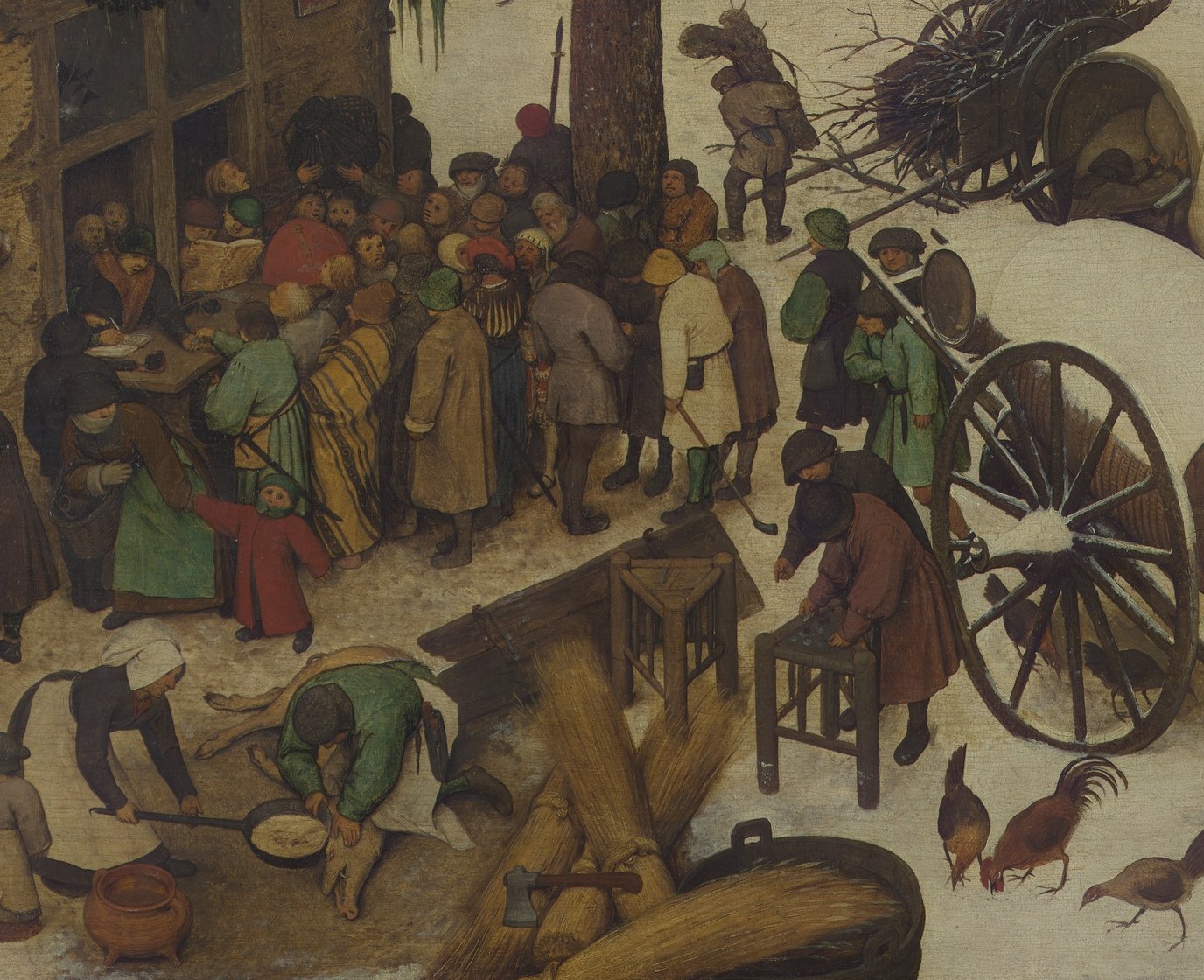
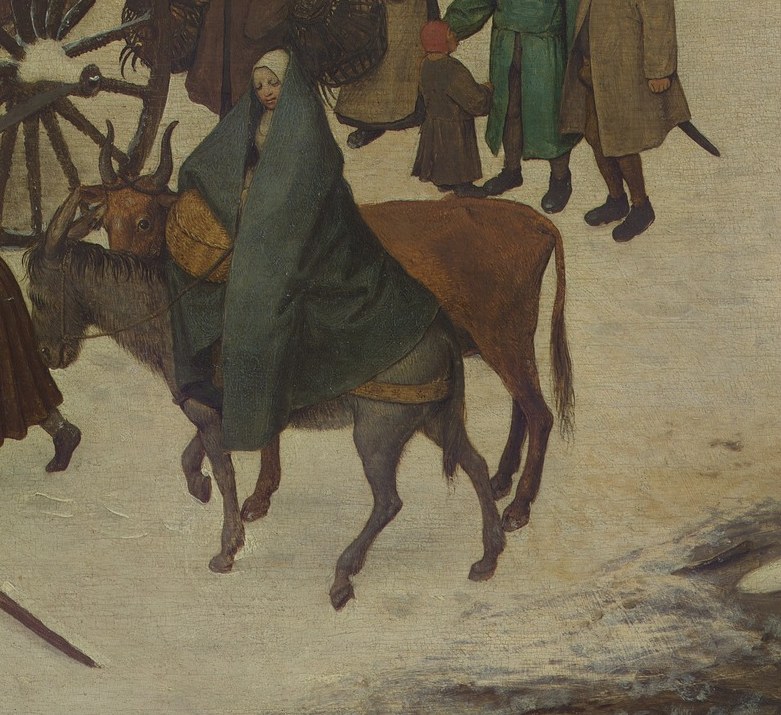
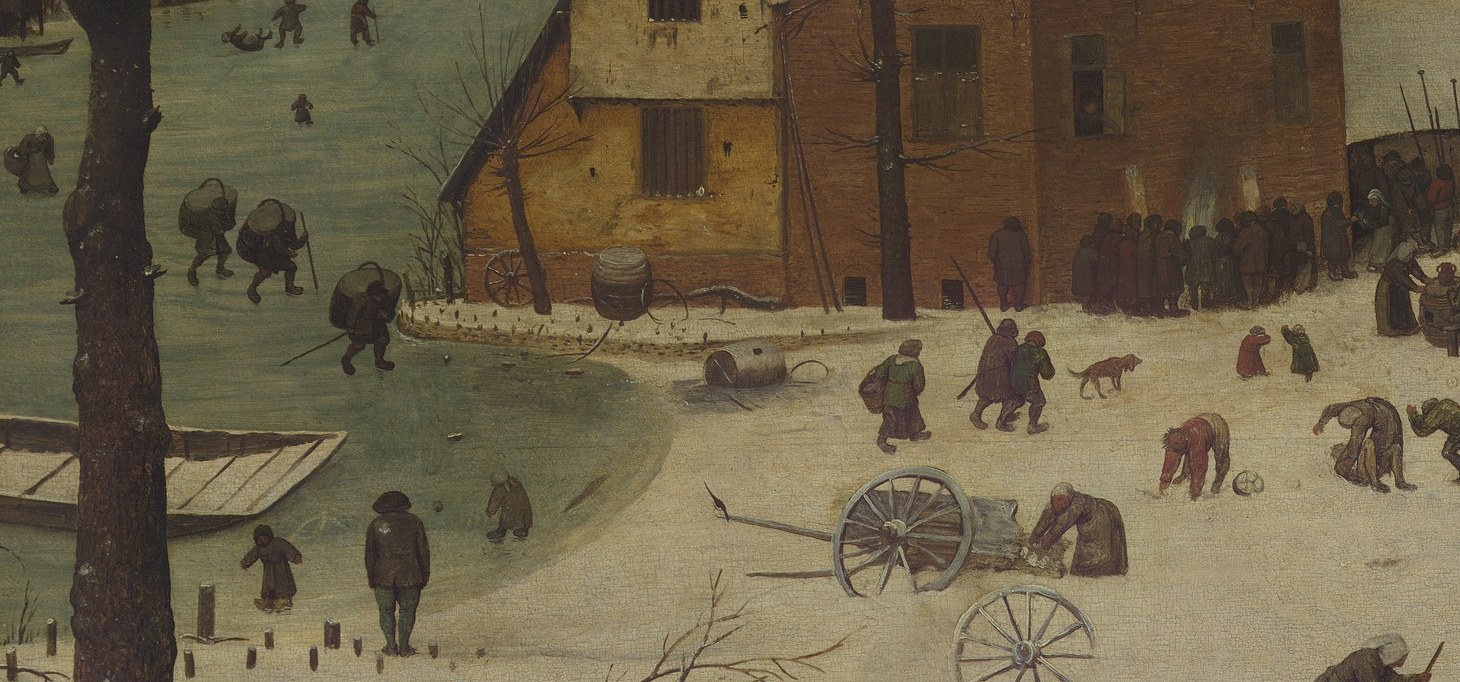
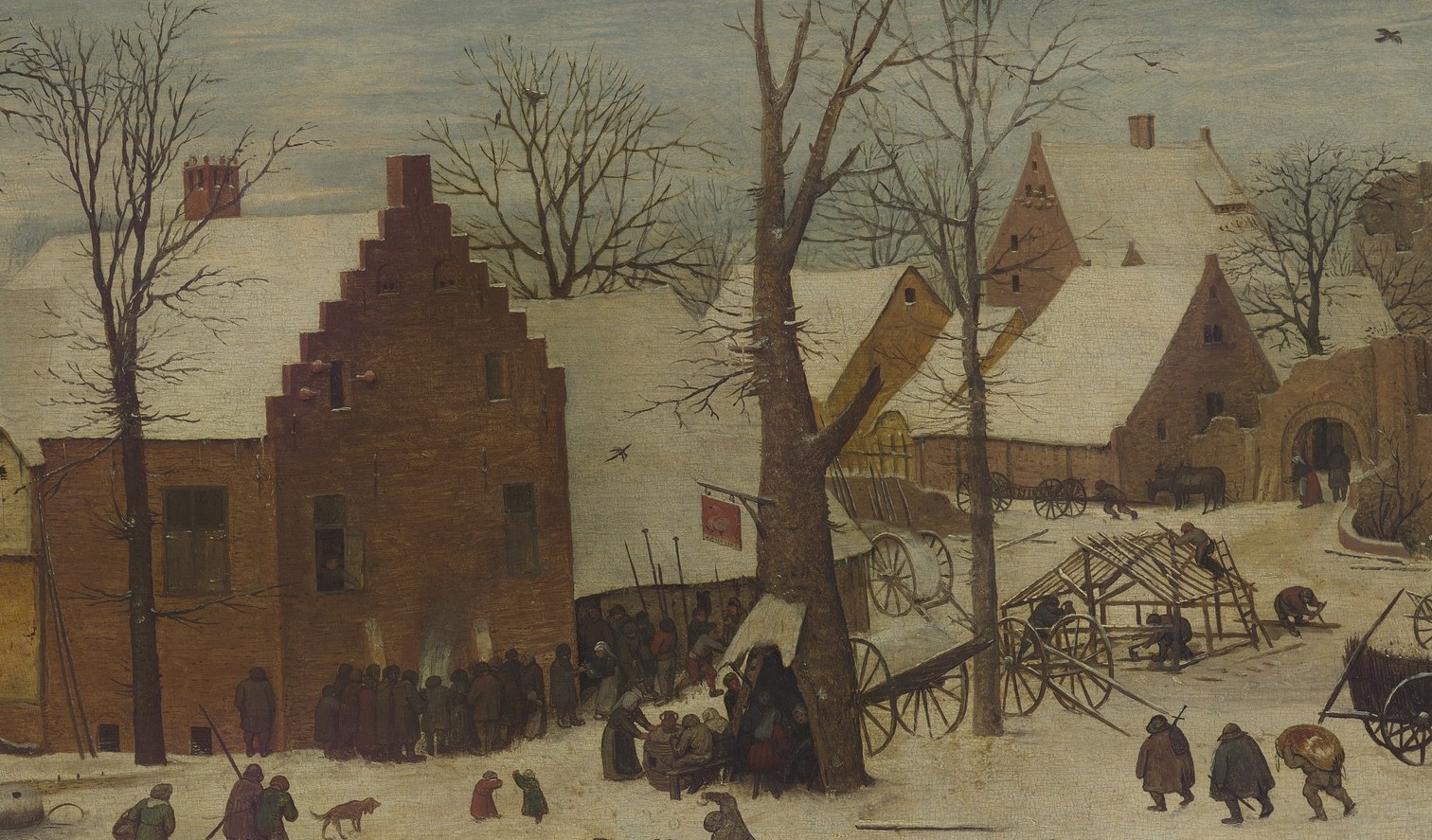
Bruegel's genius lies in his ability to populate this snowy Flemish village with countless figures, each engaged in their own activity. From the central biblical narrative of the woman on the donkey to the everyday lives of skaters on a frozen pond and a man chopping wood, every detail is meticulously rendered, creating a vibrant, believable world.
This painting is one of five winter landscapes Bruegel created in a short period, effectively establishing the winter genre in Western art. It's believed these works were influenced by the exceptionally harsh winter of 1564-1565, part of the "Little Ice Age" in northern Europe.
Bruegel invites us to explore every corner of his canvas, revealing a rich tapestry of human life amidst the cold. How many small stories can you find within this grand scene?
Details
Transcript
This painter brought the Biblical census to a snowy, 16th-century village. But the real trick is how he painted so much life at once. Look at the woman on the donkey, central to the story. Yet the eye is drawn to details, like these skaters on the ice. The entire scene is alive, every figure distinct. He painted five winter landscapes in four years, establishing the genre. And made each one feel like a vast, real world.