The Fortress of Königstein by Bellotto, Bernardo
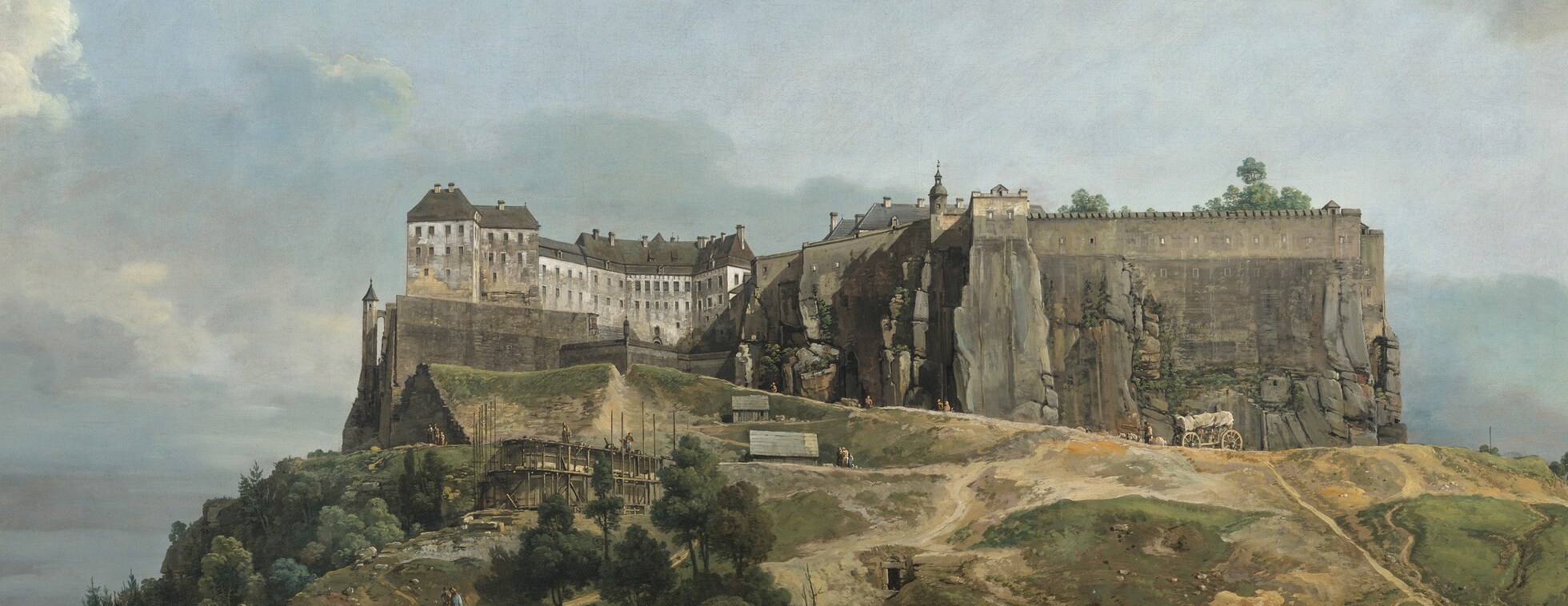
This is "The Fortress of Königstein" by Bernardo Bellotto, painted in 1757. At first glance, it is a sweeping landscape of rural life in 18th-century Saxony. But the fortress perched on the cliff is the real subject, and it was at the center of a major scandal.
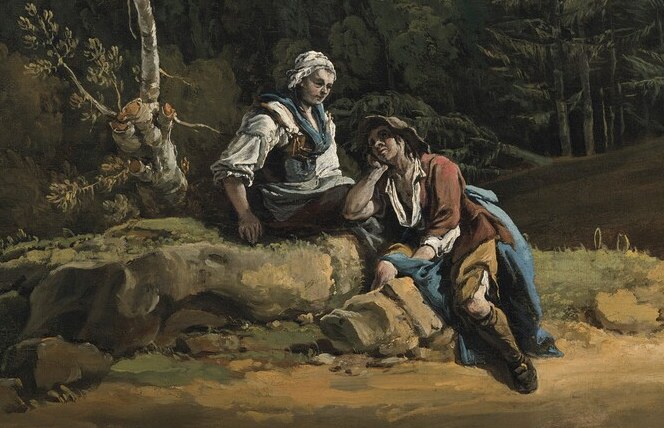
Look at the massive stone walls dominating the skyline. Bellotto uses dramatic chiaroscuro to make the fortress glow against the softer landscape, emphasizing its power and permanence. Down below, shepherds and livestock continue their daily routines, seemingly indifferent to the stronghold above them. The winding path pulls your eye up toward the gates.
The painting was commissioned during a moment of crisis. In 1757, a prominent prisoner escaped from Königstein fortress, which was considered impregnable. The escape enraged Augustus III, the Elector of Saxony, and the fortress commandant faced severe consequences. This painting was ordered in the aftermath, intended to reassert the stronghold's symbolism of absolute state power.
Today, the work is held in a public institution specializing in Baroque and Rococo art. It remains a beautiful veduta, but the landscape carries a hidden weight: the memory of an escape that shook a kingdom.
Details
Transcript
It looks like a quiet afternoon in the countryside. Shepherds rest. Cows graze. A wagon rolls slowly uphill. But the fortress on the cliff is why this painting exists. In 1757, the most famous prisoner in Saxony escaped from inside those walls. The man who commissioned this painting was furious. The fortress was meant to be unbreakable.