Harlequin with a Guitar by Juan Gris
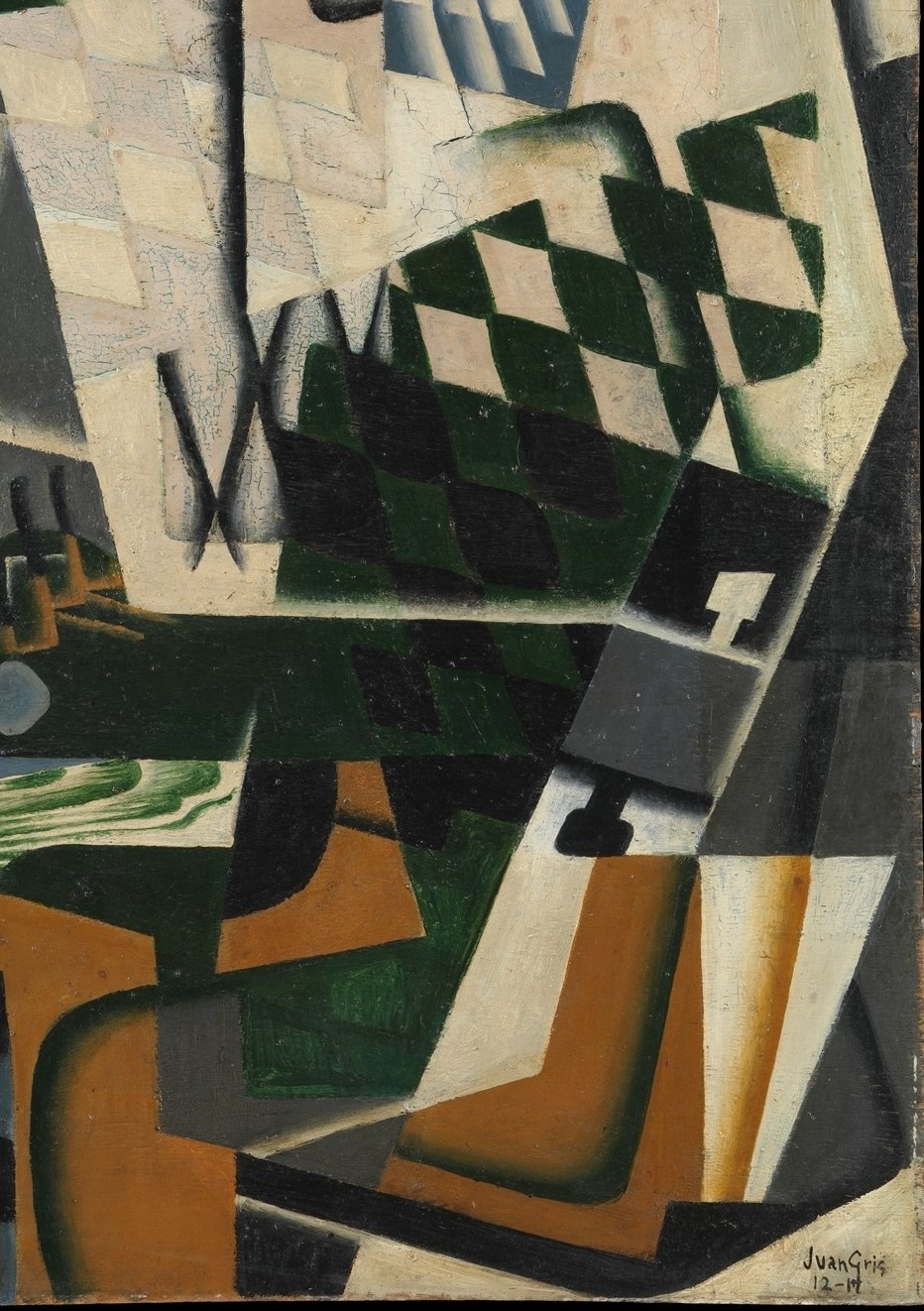
Juan Gris's "Harlequin with a Guitar," painted in 1917, is a striking example of Cubism found at the Metropolitan Museum of Art. The artist, known for his close ties to the Cubist movement, frequently revisited the harlequin motif in his work, producing around forty such paintings between 1917 and 1925.
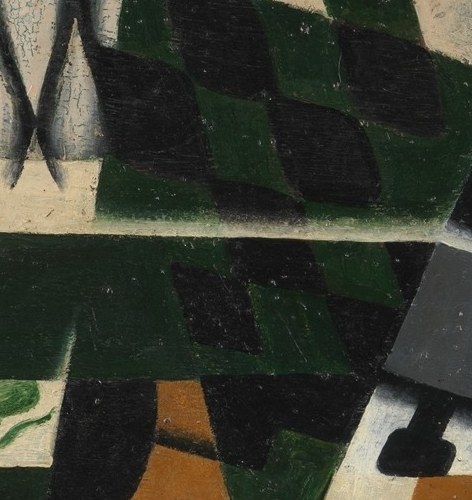
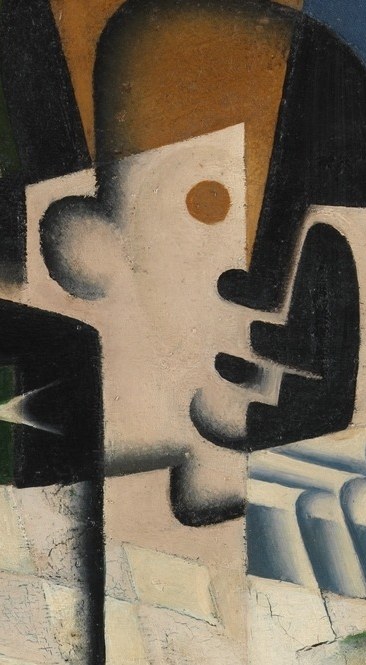
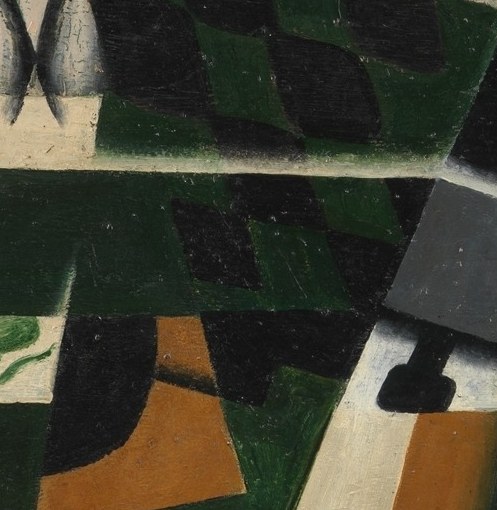
Here, the harlequin's iconic checkered costume is fragmented into interlocking geometric planes, a hallmark of Cubism. Look closely at his face, which is broken into multiple facets, offering a glimpse of different angles simultaneously. Even the guitar he holds is rendered in abstract shapes, seamlessly integrating with the figure.
This technique exemplifies the Cubist approach of deconstructing subjects into geometric forms and reassembling them to convey a more comprehensive visual experience. It invites viewers to consider the interplay between visual and performative arts within a modernist framework.
Gris, a Spanish painter who worked primarily in France, created some of the most distinctive works within the Cubist movement. What details do you notice first in this complex composition?
Details
Transcript
This painter was obsessed with the harlequin. He painted this figure nearly forty times. The checkered costume is broken into geometric planes. Notice how his face is fractured, showing multiple views. The guitar, too, is deconstructed into abstract shapes. This Cubist method captures a more complete perception.