Virgin and Child with Saint Anne (Anna Selbdritt) by Defendente Ferrari
Defendente Ferrari's "Virgin and Child with Saint Anne (Anna Selbdritt)" from 1528, held at the Rijksmuseum, quietly presents a scene of profound familial devotion. This oil painting, created during a transition from Gothic to Renaissance styles in Piedmont, shows Saint Anne, her daughter the Virgin Mary, and the Christ Child.
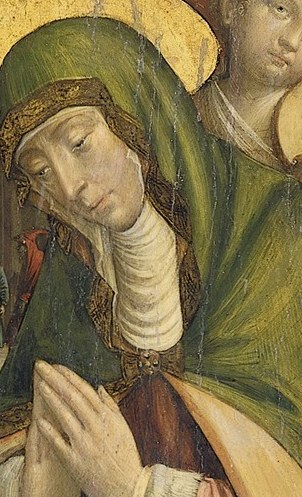
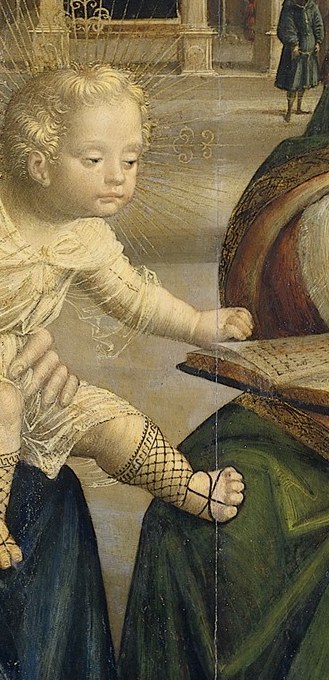
Look closely at Saint Anne's clasped hands, conveying her piety and wisdom. Mary's tender grip on the Christ Child emphasizes the intimate, protective bond between mother and son. The artist's use of oil glazing brings a warm, three-dimensional quality to these figures.
The painting reflects the traditional 'Anna Selbdritt' motif, highlighting the lineage of salvation through generations. Ferrari's work helped bridge late Gothic conventions with early Renaissance ideas in his region, making this a significant example of his style.
The quiet intimacy of this sacred family portrait continues to resonate. What emotions does this tender scene evoke in you?
Details
Transcript
This painting from 1528 shows a family in quiet devotion. It illustrates the 'Anna Selbdritt' motif, Saint Anne with her daughter Mary. Saint Anne's folded hands convey her piety and wisdom. Mary gently cradles the Christ Child, a tender maternal bond. This scene emphasizes familial devotion and the lineage of salvation. The painter used oil glazing to give the figures a warm presence.