Adoration of the Shepherds by Bernardo Cavallino
Bernardo Cavallino's “Adoration of the Shepherds,” painted around 1650, is a masterclass in using light to create drama. Housed at The Cleveland Museum of Art, this oil painting pulls the viewer into a moment of profound reverence.
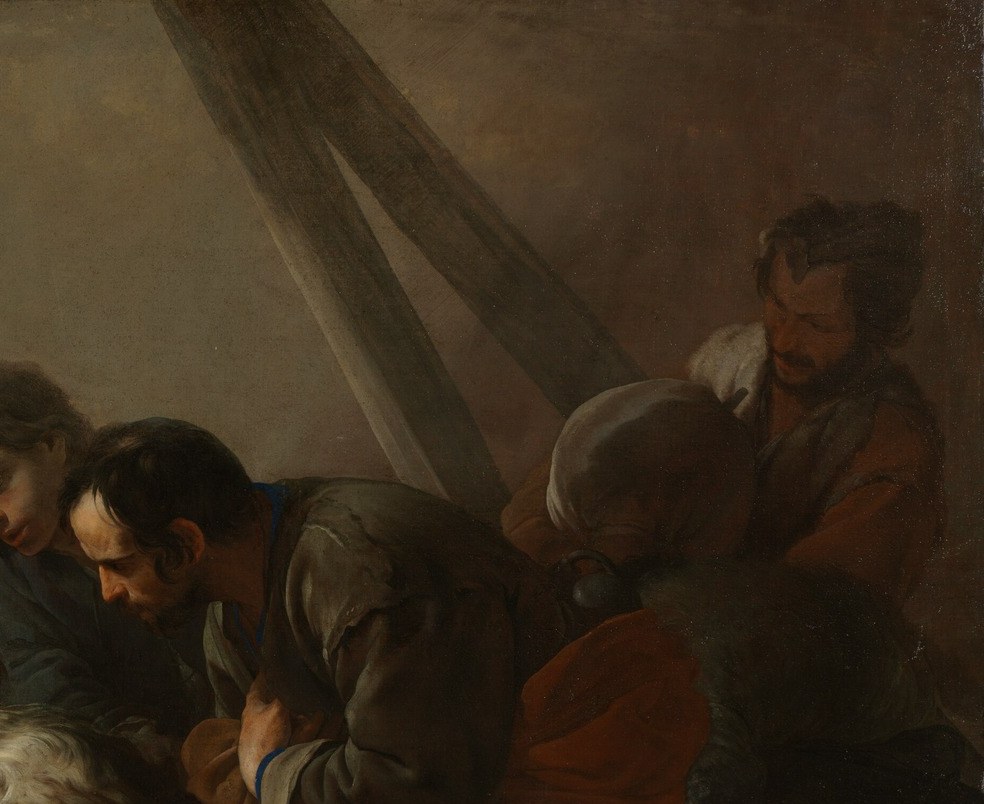
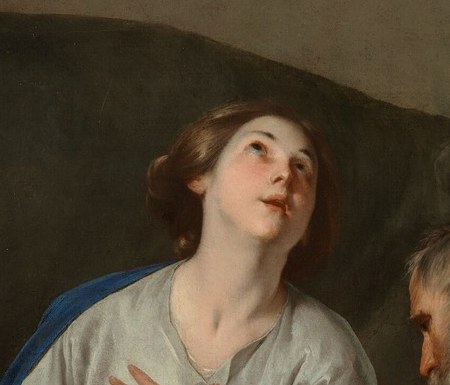
Observe how Cavallino employs chiaroscuro, a technique of strong contrasts between light and dark, to highlight the central figures. The dark background figures and draperies almost vanish, making the illuminated faces and hands, especially those of Mary and the Christ Child, truly pop.
Cavallino, a Neapolitan painter, was influenced by Caravaggio's tenebrism and the emotional expressiveness of Roman Baroque sculpture. This blend resulted in a theatrical sweetness and posed ecstasy in his works, as seen in the tender expressions and gestures of the adoring shepherds.
The dramatic lighting doesn't just guide the eye; it deepens the emotional intensity of the Nativity scene. How does this interplay of light and shadow make you feel?
Details


Transcript
This painter crafted a scene of dramatic light and shadow. He used stark contrast, a technique called chiaroscuro. Notice the dark fabric, almost disappearing into the background. Yet, light reveals the tender touch of her hand. Only the Christ Child fully glows in this darkness. This dramatic lighting reflects Roman Baroque sculpture.