The fishwife by Quirijn van Brekelenkam
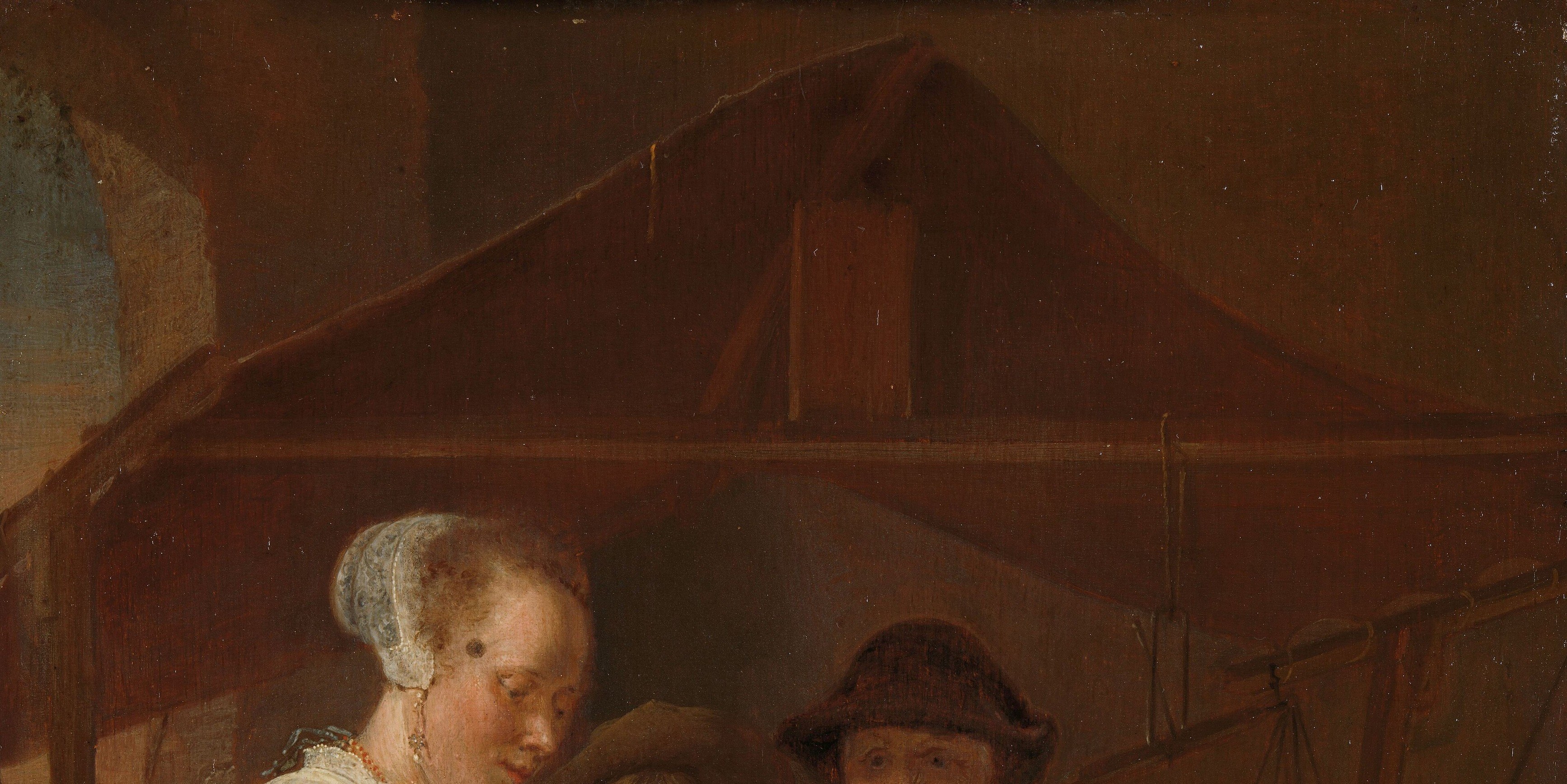
Quirijn van Brekelenkam's *The Fishwife* (c. 1660, Rijksmuseum) offers a snapshot of daily life in Leiden during the Dutch Golden Age. This detailed genre scene captures the essence of common labor and domesticity through meticulous observation.
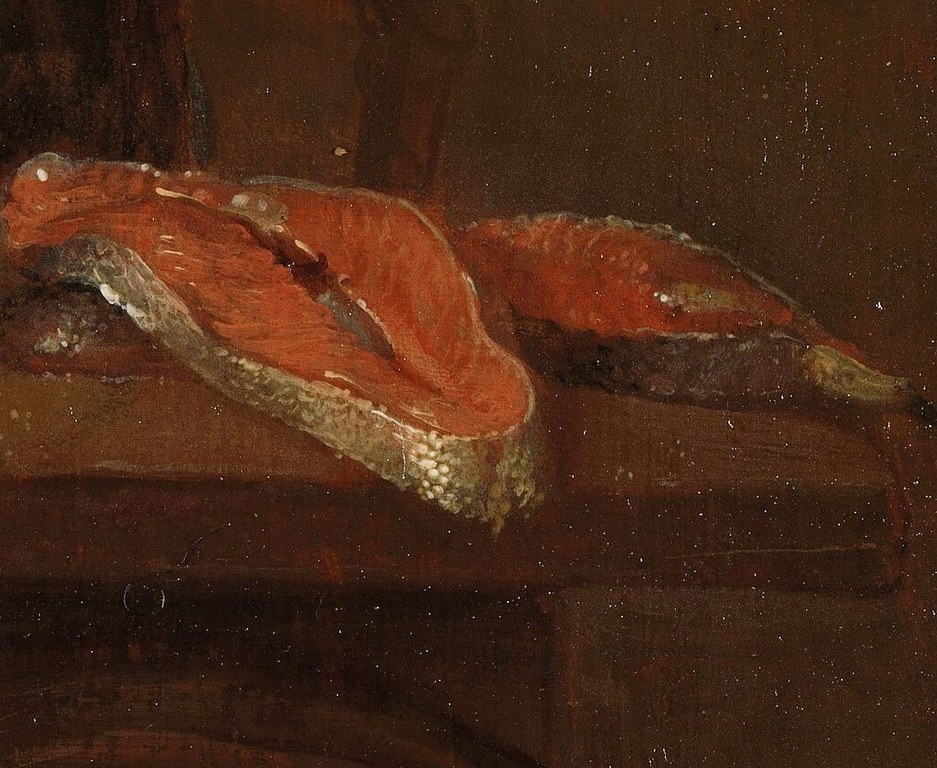
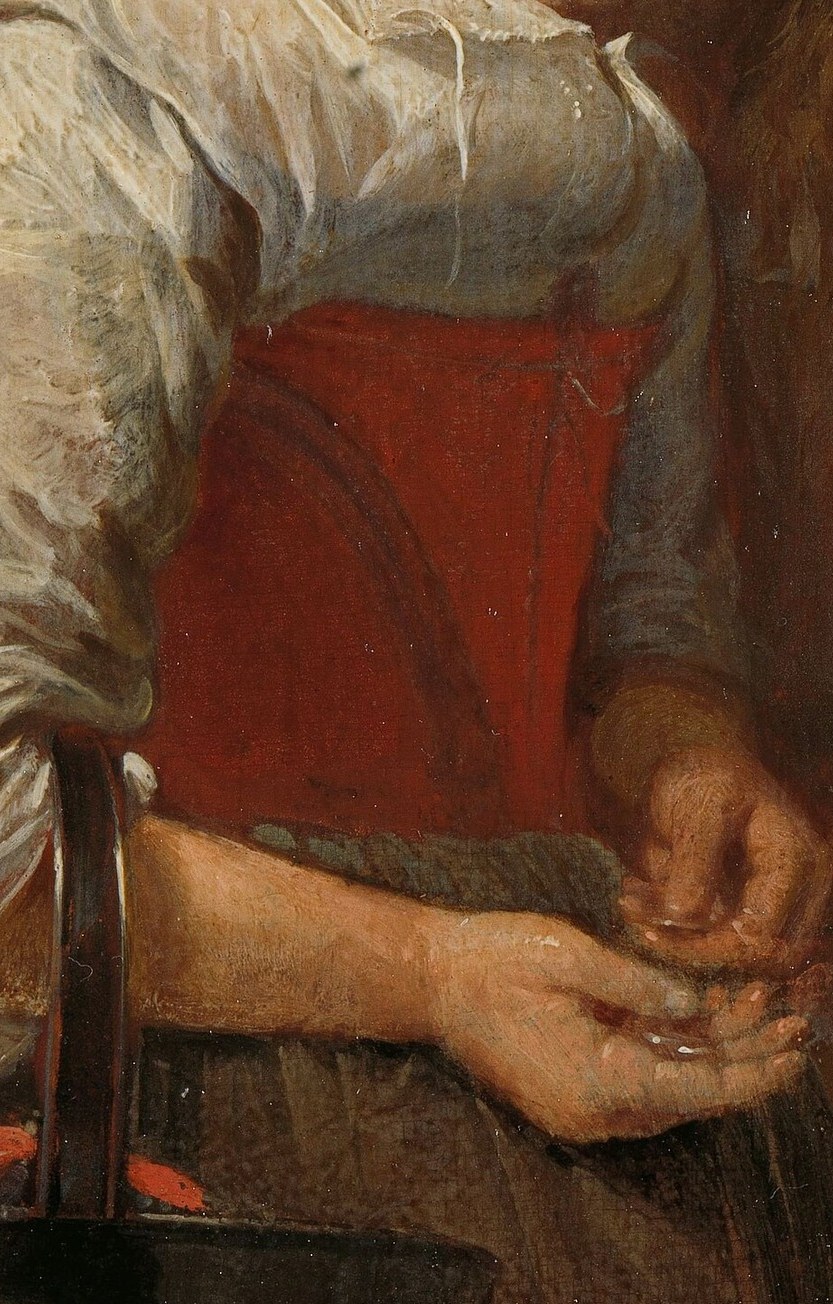
Notice the fishwife's hands actively preparing the catch, the glistening detail of the salmon fillets, and the vibrant red of her apron, all rendered with subtle light and shadow typical of the Leiden fijnschilders. The presence of the child peeking out adds a touch of intimacy.
Van Brekelenkam, likely a student of the renowned Gerard Dou, specialized in small, highly finished works. Scenes like this were popular, reflecting the prosperity of the Dutch Republic and the dignity of everyday work. The painting is now part of the Rijksmuseum's esteemed collection.
It’s a quiet moment, frozen in time, reminding us of the lives that built the Golden Age.
Details
Transcript
The year is 1660 in Leiden, Holland. This fishwife prepares the day's catch. Look at the glistening salmon fillets. Her red apron signifies her trade. Leiden painters often used this deep shadow. A child watches from behind the table. Her teacher was Gerard Dou, a master.