Portrait of Gaspar Melchor de Jovellanos by Francisco Goya
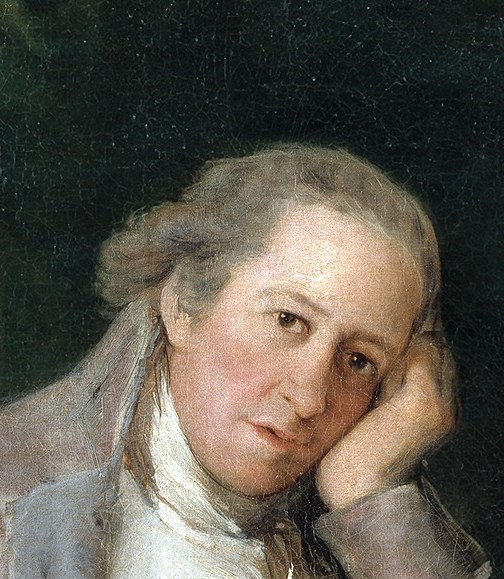
Francisco Goya's "Portrait of Gaspar Melchor de Jovellanos," painted in 1798 and housed at the Museo del Prado in Madrid, captures one of Spain's most influential Enlightenment figures. This painting offers a window into the intellectual life of a key statesman, writer, and reformer.
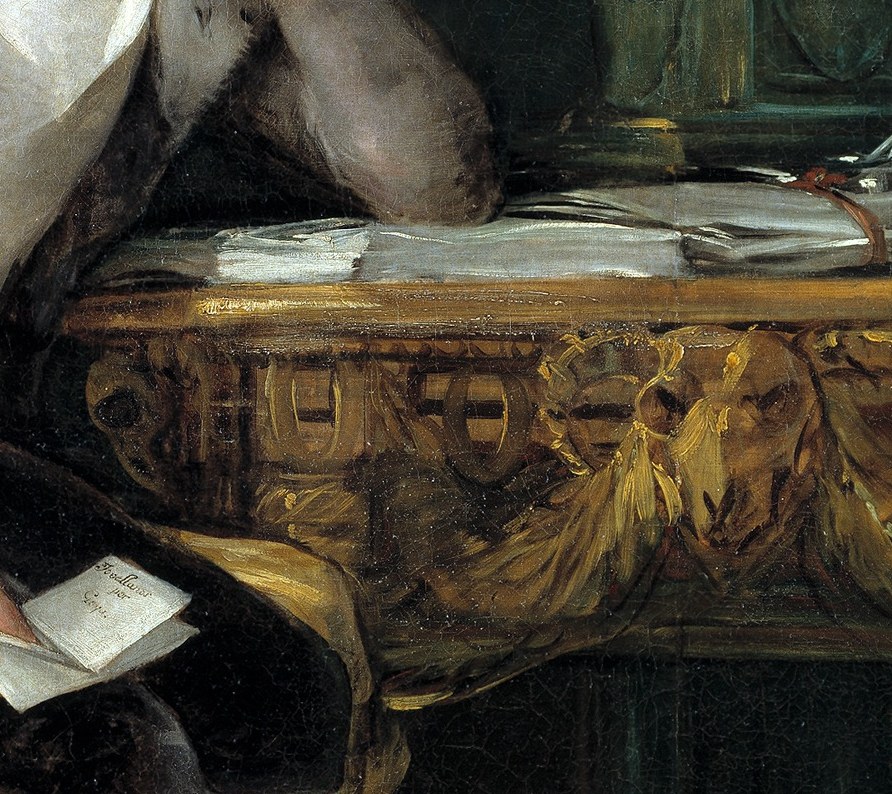
Observe Jovellanos's thoughtful expression and the way his left hand supports his chin, conveying deep contemplation. His right hand delicately grips a document, symbolizing his extensive intellectual contributions and the importance of his written work. The surrounding papers and the inkwell reinforce his identity as a scholar and a man of letters.
Goya masterfully uses light and shadow to highlight Jovellanos's face, drawing the viewer's attention to his inner world. This neoclassical portrait, created at a time of significant political and social change, reflects Goya's engagement with the leading personalities and ideas of his era.
What do you see in his expression? How does Goya convey such depth of thought in a single portrait?
Details
Transcript
This Spanish statesman oversaw Spain's Enlightenment. His name was Gaspar Melchor de Jovellanos. He was a writer, a reformer, and a judge. Notice his hands, held in deep contemplation. He holds a document, key to his intellectual work. Goya's portrait captures a pensive, influential mind.