Don Quixote and the Dead Mule by Honoré Daumier (French, 1808–1879)
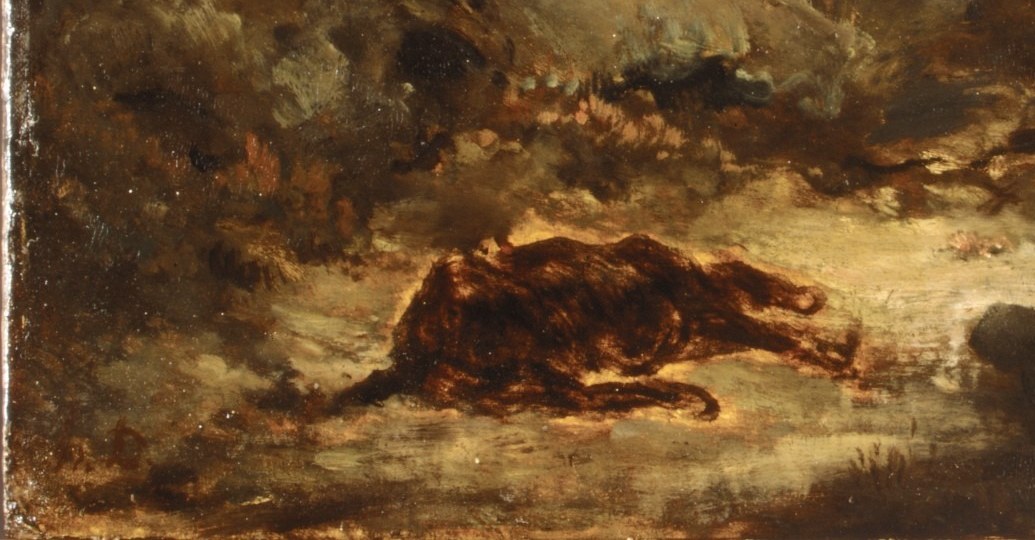
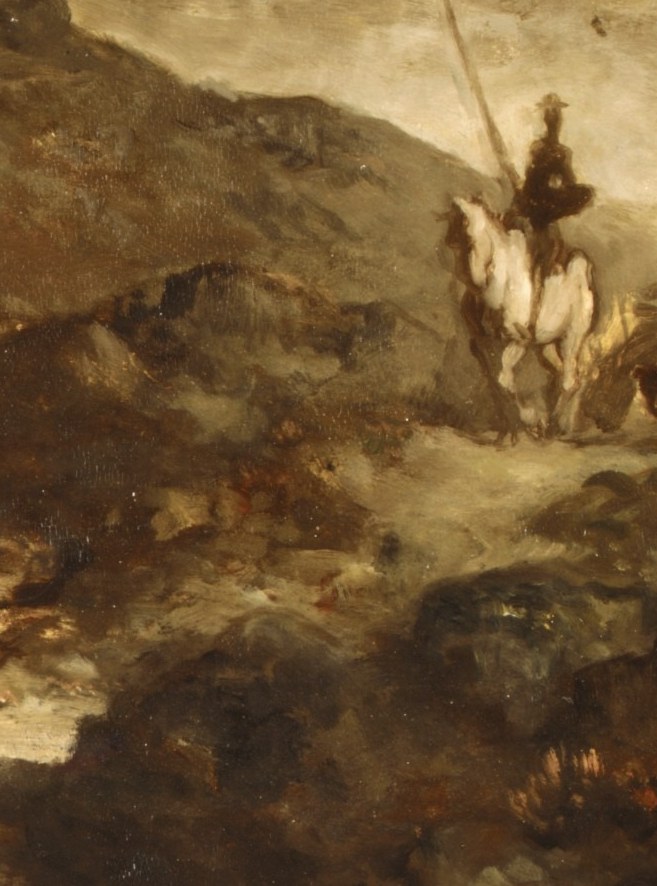
Honoré Daumier's Don Quixote and the Dead Mule (1860) opens with a carcass. The animal sprawls across the foreground, pale and unavoidable. The knight himself is pushed back, a silhouette against a harsh sky. Daumier spent his career savaging the powerful for Paris newspapers, and in Cervantes's delusional knight he found a symbol that never left him: the dreamer who loses every fight.
Look at the geometry of the figures. Quixote is a vertical line, his lance, his gaunt body, his horse's bony legs all point upward. To his right, Sancho Panza sits as a low, rounded lump on a donkey. Daumier builds the distinction between idealist and pragmatist with body shape alone. There is no windmill here. The lance meets only open air.
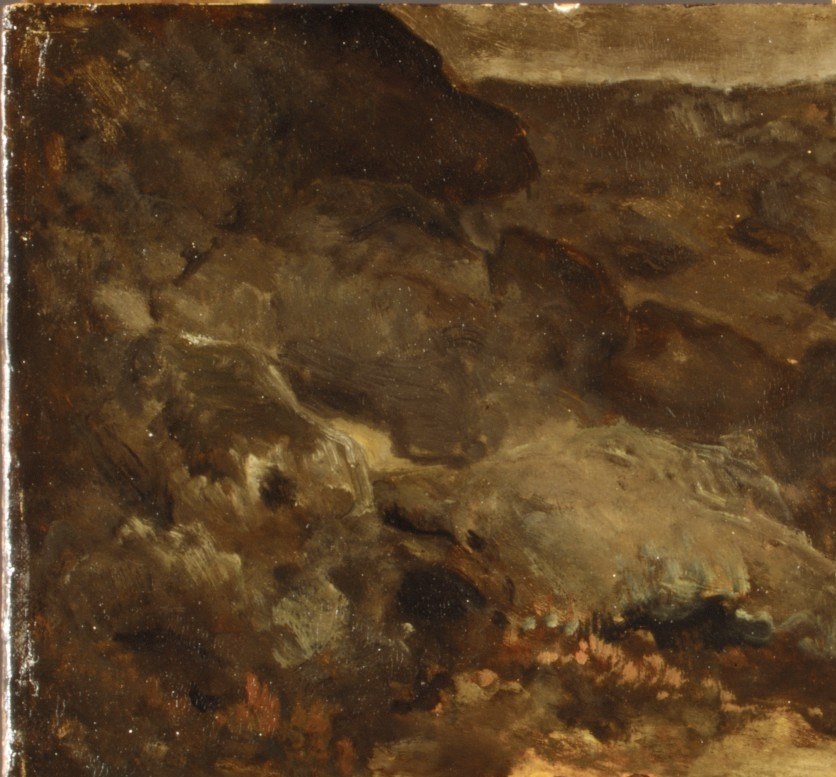
Daumier painted episodes from Don Quixote more than thirty times across oil and watercolor, but never as illustration. Cervantes's novel gave him a structure to examine what happens when noble intention meets an indifferent world. This version, now in the collection of The Metropolitan Museum of Art, strips the story to its emotional core: a dead animal, a rock wall, and a man who will not stop.
The painting is not a scene from the book. It is a portrait of defeat that Daumier kept returning to, year after year.
Details
Transcript
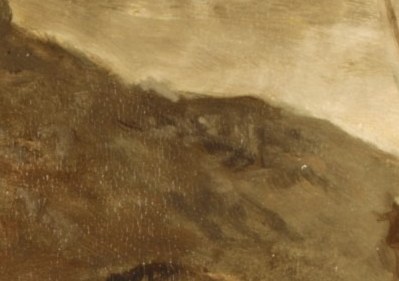
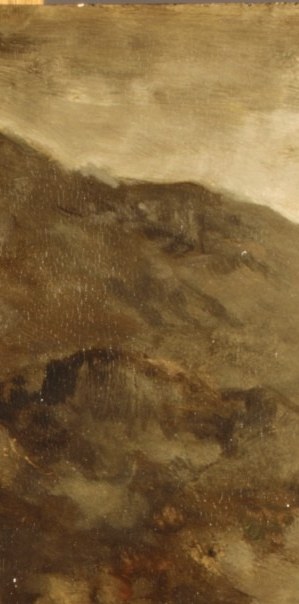
The dead mule comes first. Before the knight. Before the quest. Daumier was a political cartoonist who hated the powerful. He found his hero in Cervantes's fool. Quixote is barely more than a dark shape. His lance jabs at an empty sky. The cliff to his left is a geological wall. Daumier painted this scene over thirty times.