James Madison by Stuart, Gilbert
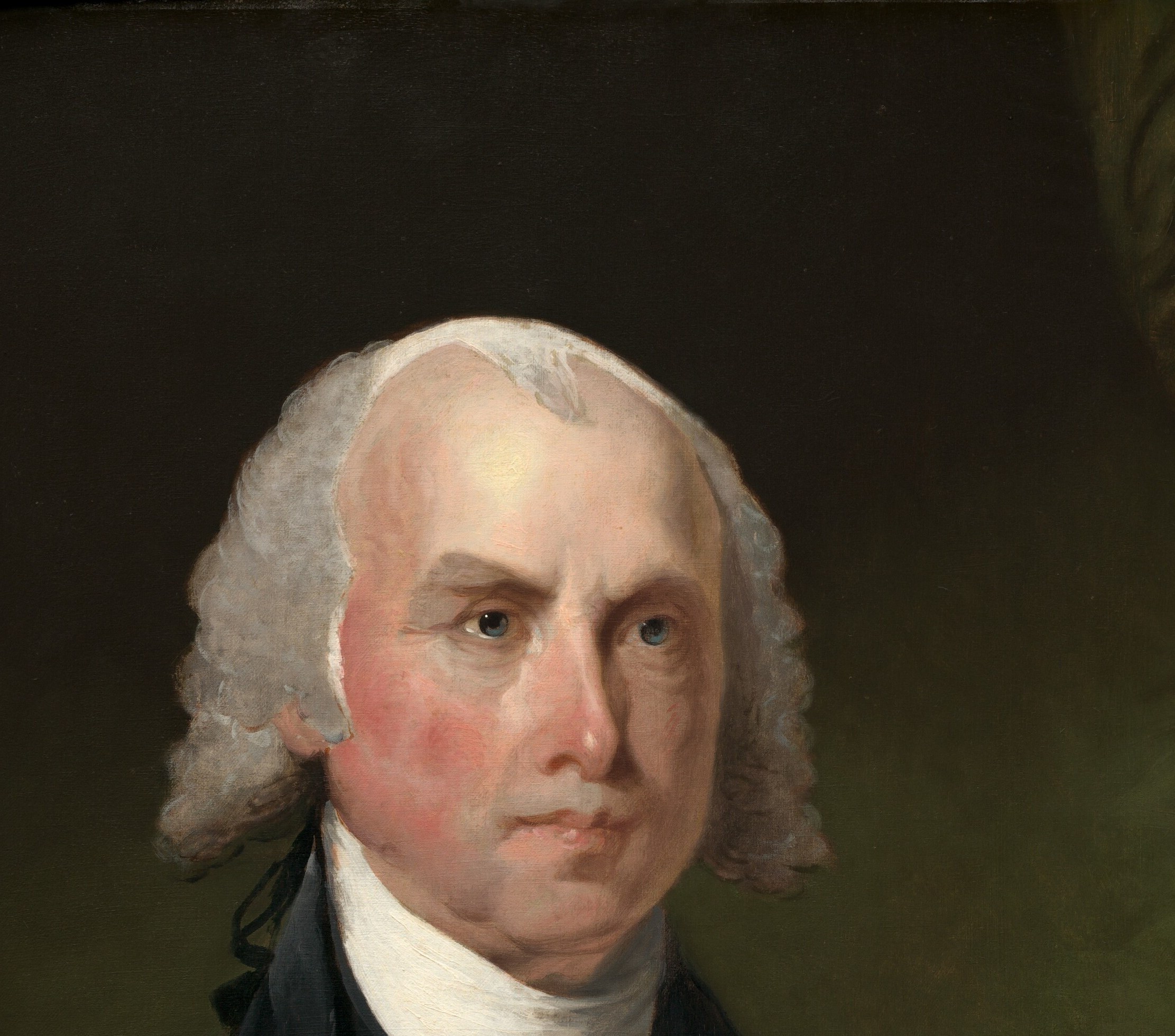
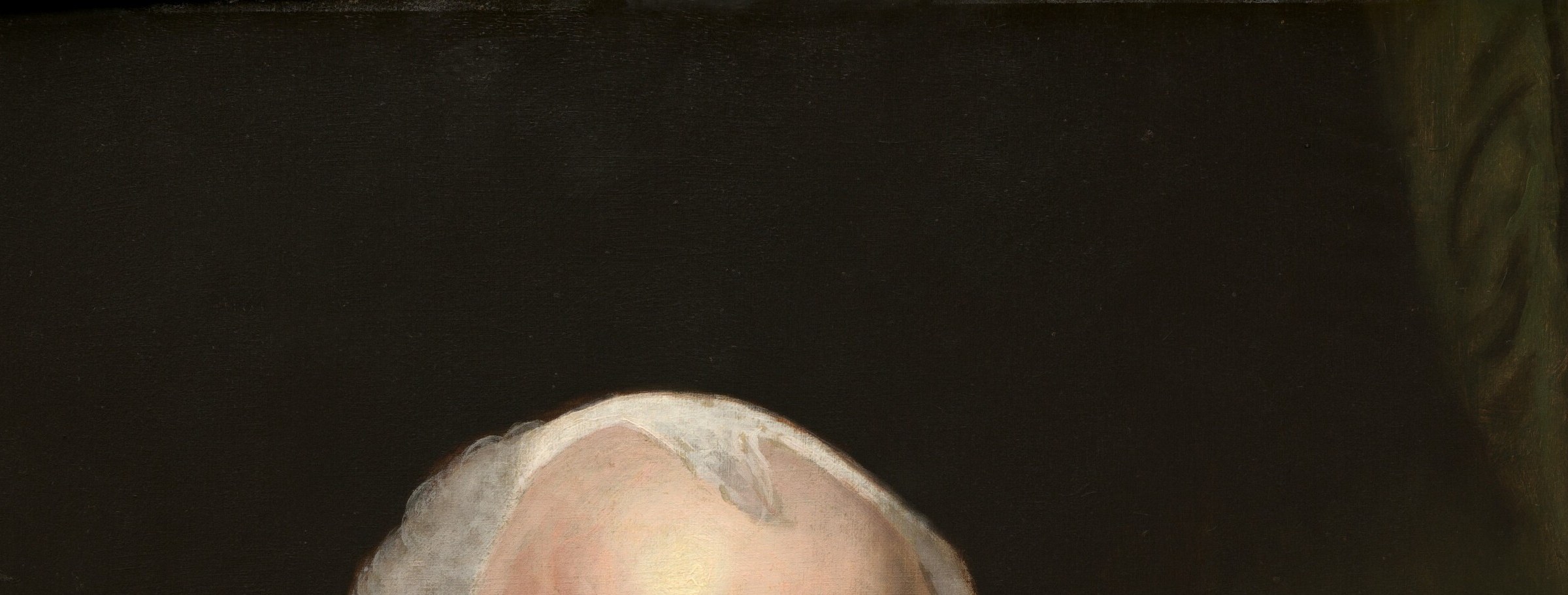
This is Gilbert Stuart's portrait of James Madison, painted around 1821, and it carries a small, unresolved crime in its paint. Madison had been out of the White House for six years and was in his early seventies when he sat for Stuart, who had already painted Washington, Adams, and Jefferson. Stuart's ambition to document the founding generation was genuine, but his business practices were famously chaotic.
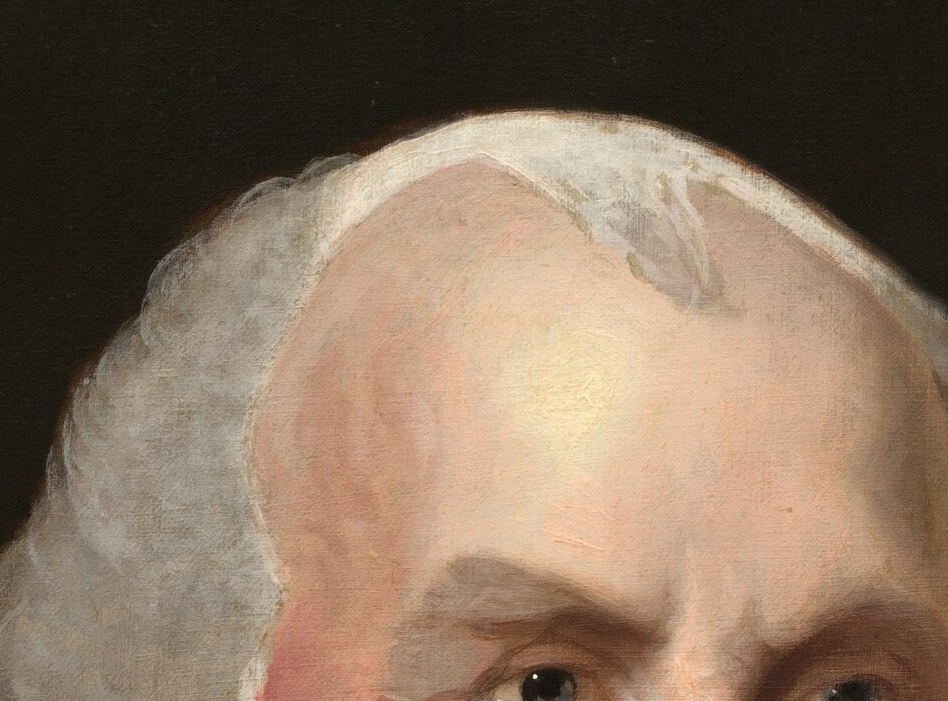
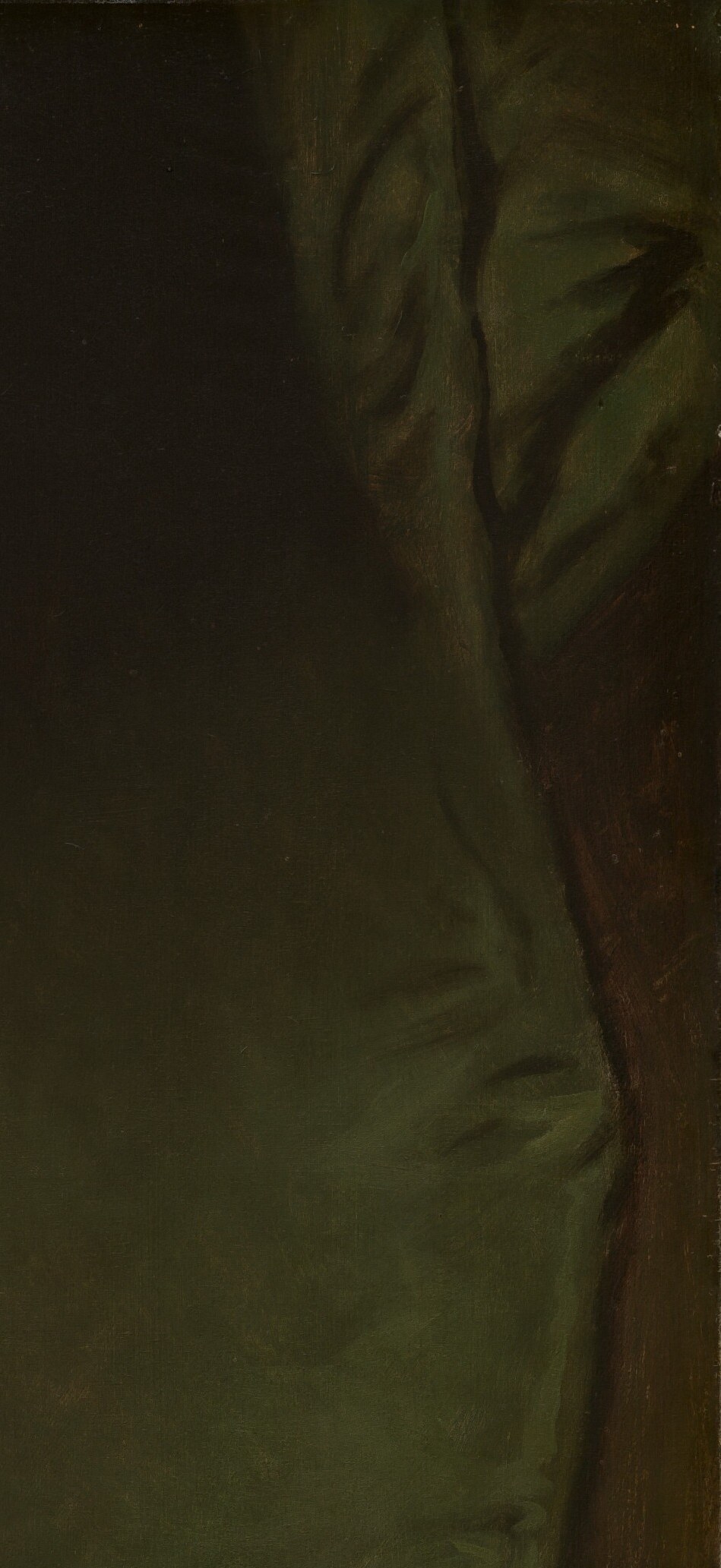
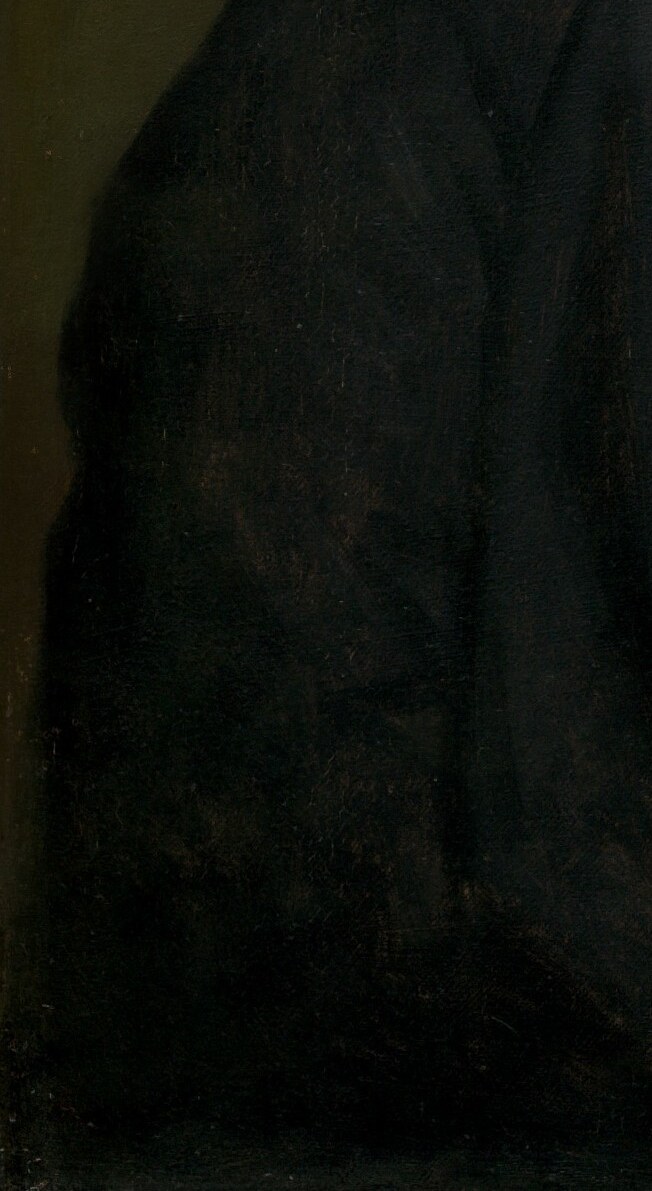
Look at the lower left corner. The dark ground is barely brushed in, a near-black passage that Stuart never resolved. The background upper right holds a vague brownish form, maybe a column or drapery, but it never coheres into anything legible. Stuart's brushwork on the coat is rough and sketchy, yet Madison's face is fully realized: the lined skin, the sunken temples, the wet glint in the right eye. Stuart knew exactly where to spend his energy, and where to walk away.
Stuart's financial troubles were constant. He often left paintings unfinished while pursuing new commissions, and this portrait was part of a series he sold privately. The buyer who acquired this Madison never paid. The painting then disappeared from the record for years. Its survival is an accident of neglect rather than careful stewardship.
A portrait of the architect of the Constitution, left incomplete and then lost because someone failed to settle a bill. Stuart's paintings of presidents are civic treasures now, but at the time they were just inventory in a studio where the artist was always one unpaid invoice ahead of his creditors.
Details
Transcript
Gilbert Stuart painted every early president. Or tried to. This is James Madison, six years after he left the White House. Seventy years old. Unidealized. Thin-lipped. Watchful. Stuart had a habit of not finishing his commissioned work. The lower left corner: completely unresolved. He walked away. Stuart sold it anyway. The buyer never paid. It vanished.