Profile of a Bearded Man by http://www.wikidata.org/.well-known/genid/dc6be9cccfca33dcd53ec5395b1bd805
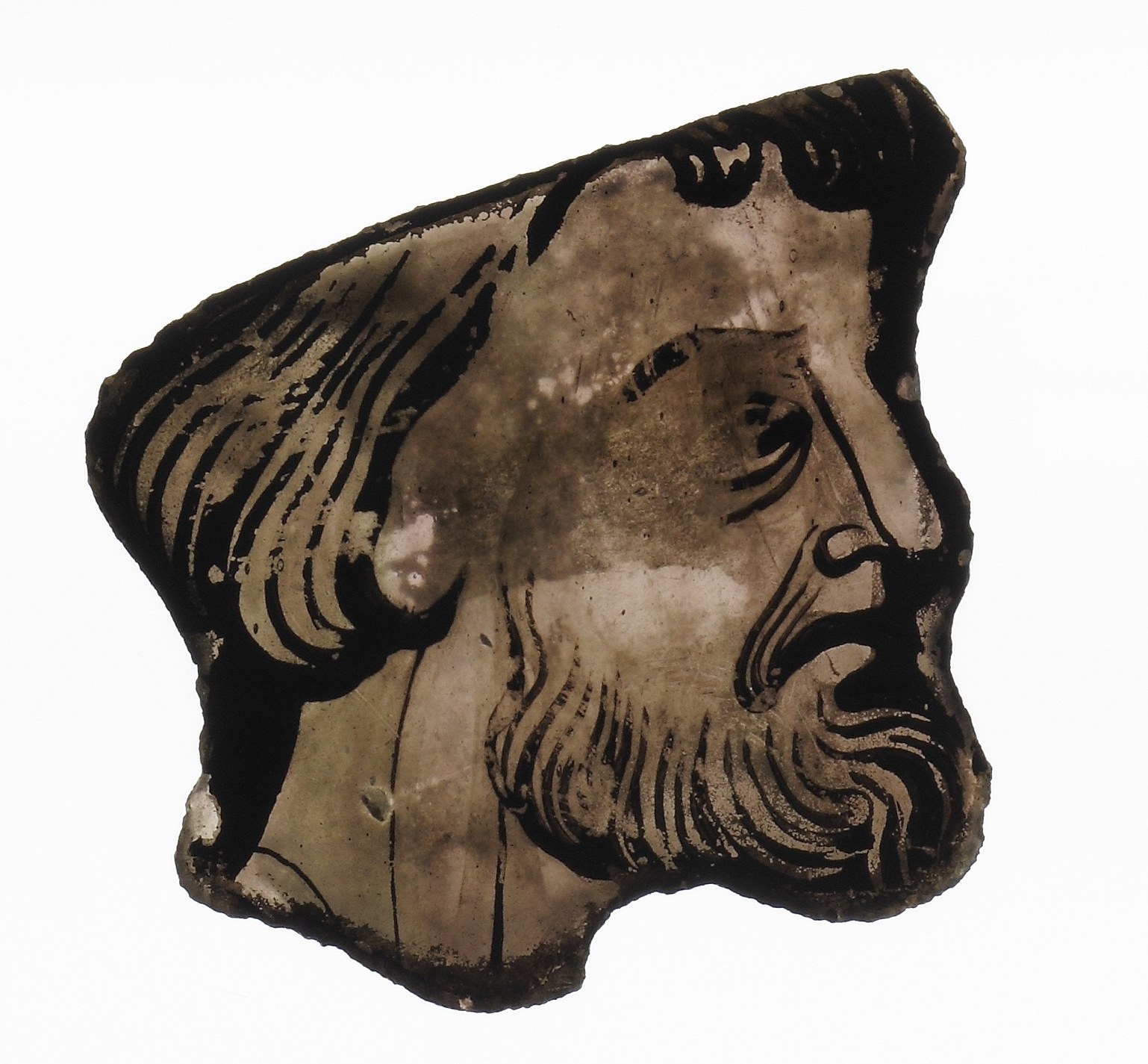
This intriguing "Profile of a Bearded Man," painted around 1235 by an unknown Italian artist, is a remarkable fragment. While profile portraits became common in the Italian Renaissance, they were quite rare in 13th-century Italy, making this an unusual and early example.
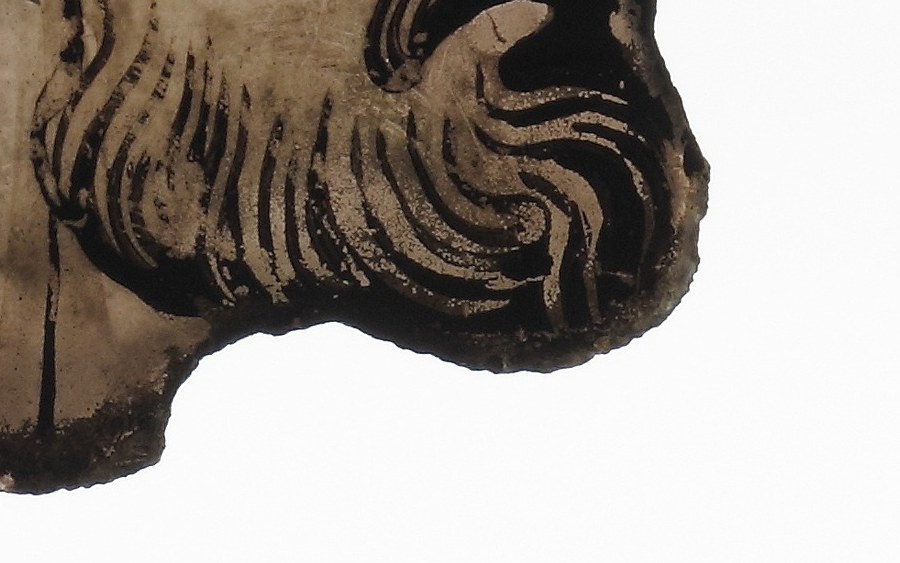
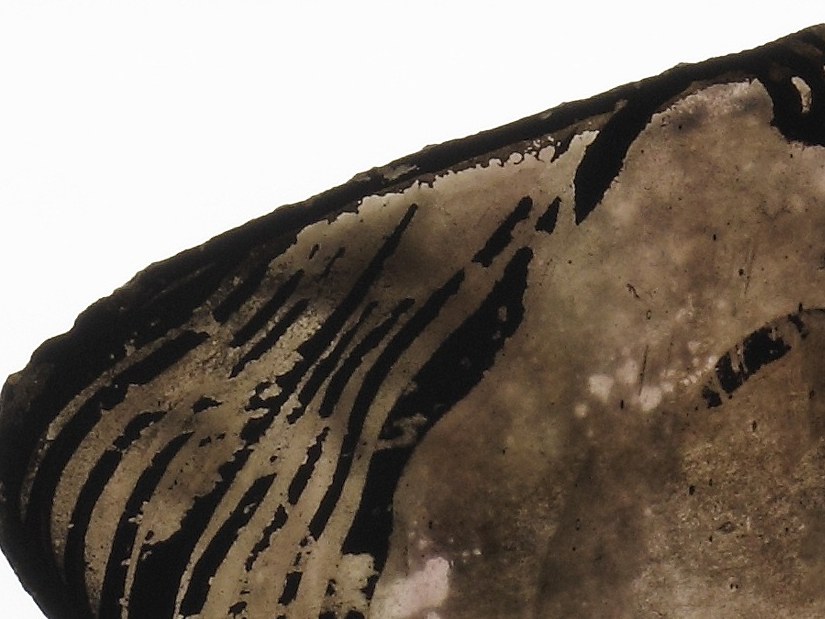
Observe the strong, almost graphic, outline of his face and the meticulous detail in his curly beard and closely cropped hair. The artist uses chiaroscuro, or strong light and shadow contrasts, to give the face a dramatic, three-dimensional quality.
This painting is believed to be a fragment, likely cut from a larger fresco. Its original context is lost to history, adding to its mystery and allure. The earthy tones and visible brushstrokes give the work a tangible presence, inviting close contemplation of the subject's thoughtful expression.
What do you imagine the full fresco might have depicted?
Details

Transcript
This portrait captures a man in profile, painted around 1235. Notice the strong, dark outline of his face. This graphic style was common in 13th-century Italian frescoes. But this kind of profile portrait was rare in Italy until centuries later. Look closely at his curly beard, rendered with such detail. The painting is a fragment, likely cut from a larger work.