Master Cleeves by Prior, William Matthew
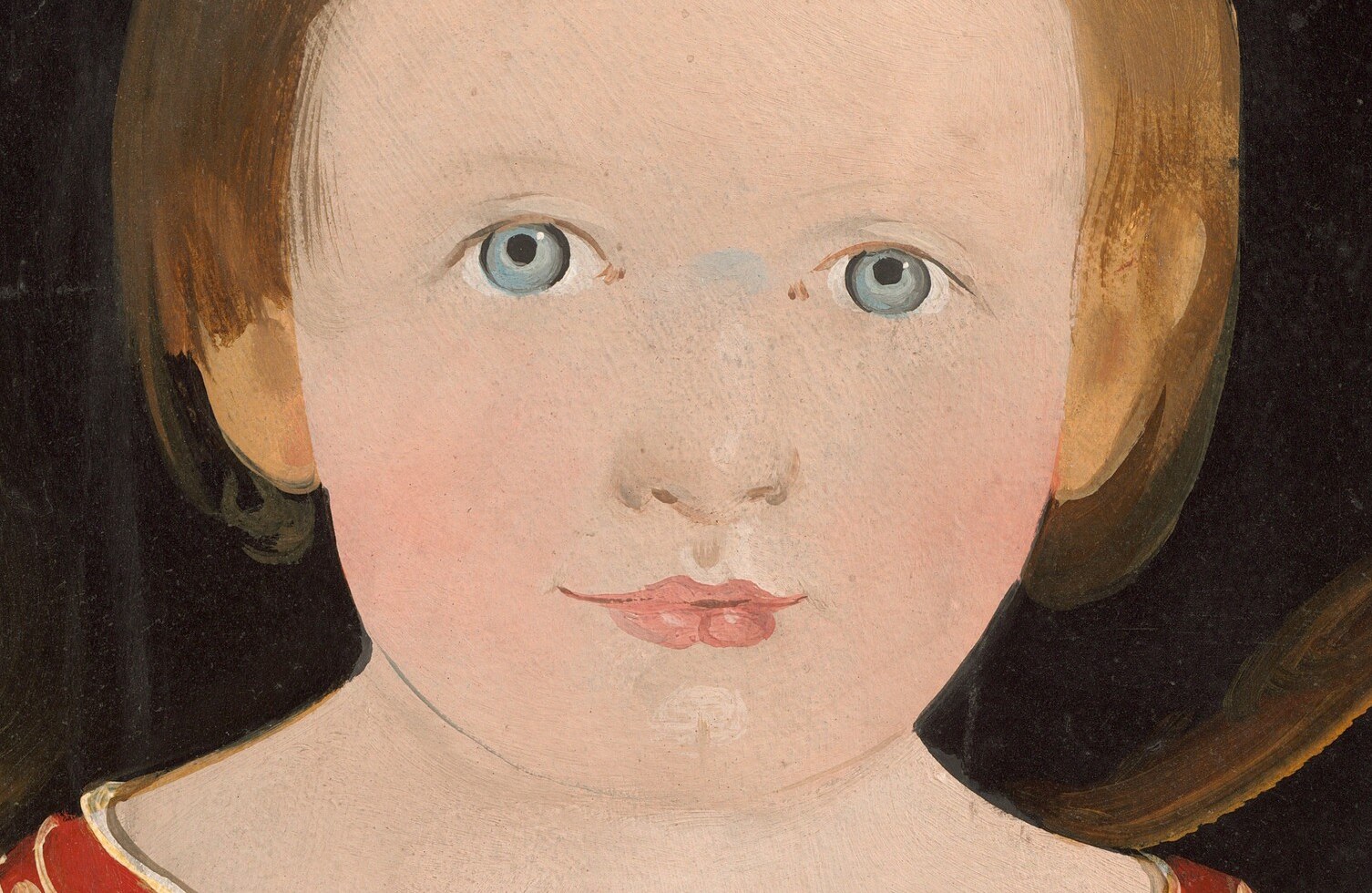
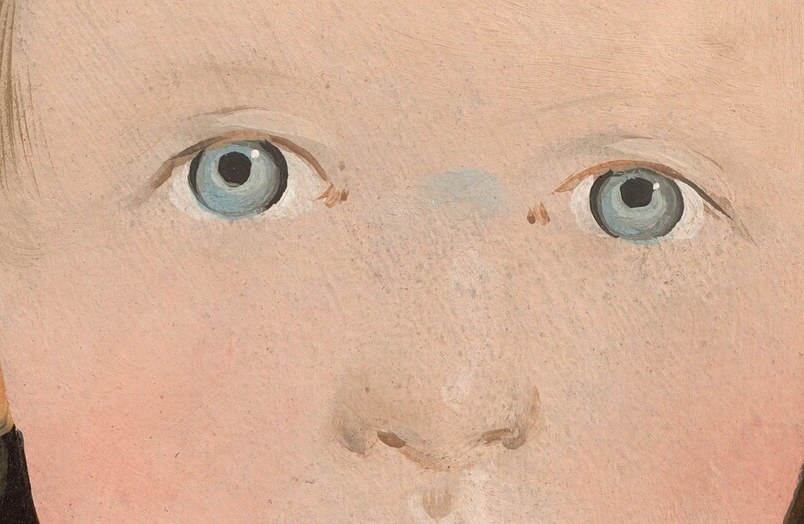
Painted in 1850, William Matthew Prior's *Master Cleeves* offers a window into childhood during the mid-19th century. Prior, an American folk artist, specialized in intimate portraits of families and children, a focus that aligns with the Biedermeier movement's emphasis on domestic life.
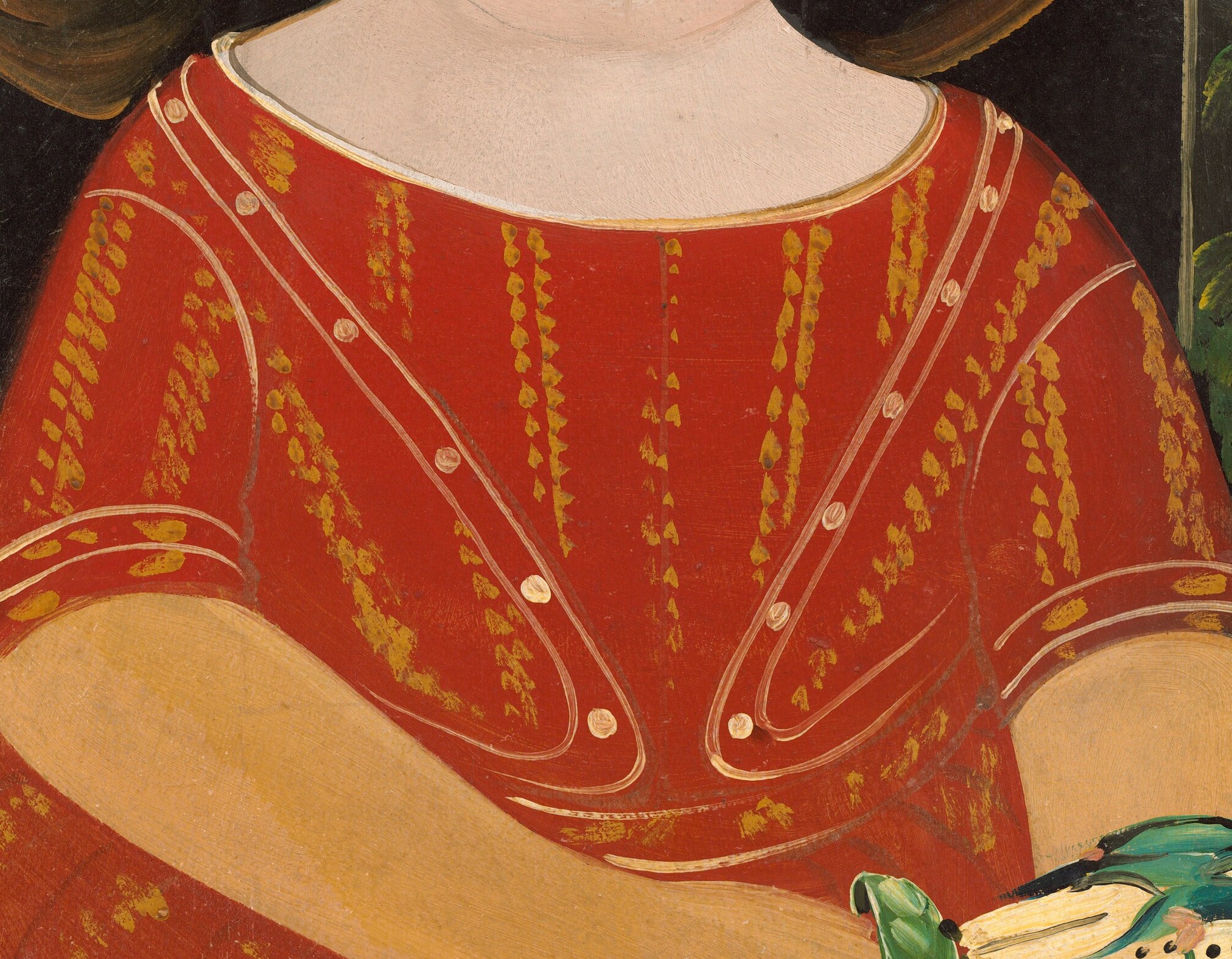
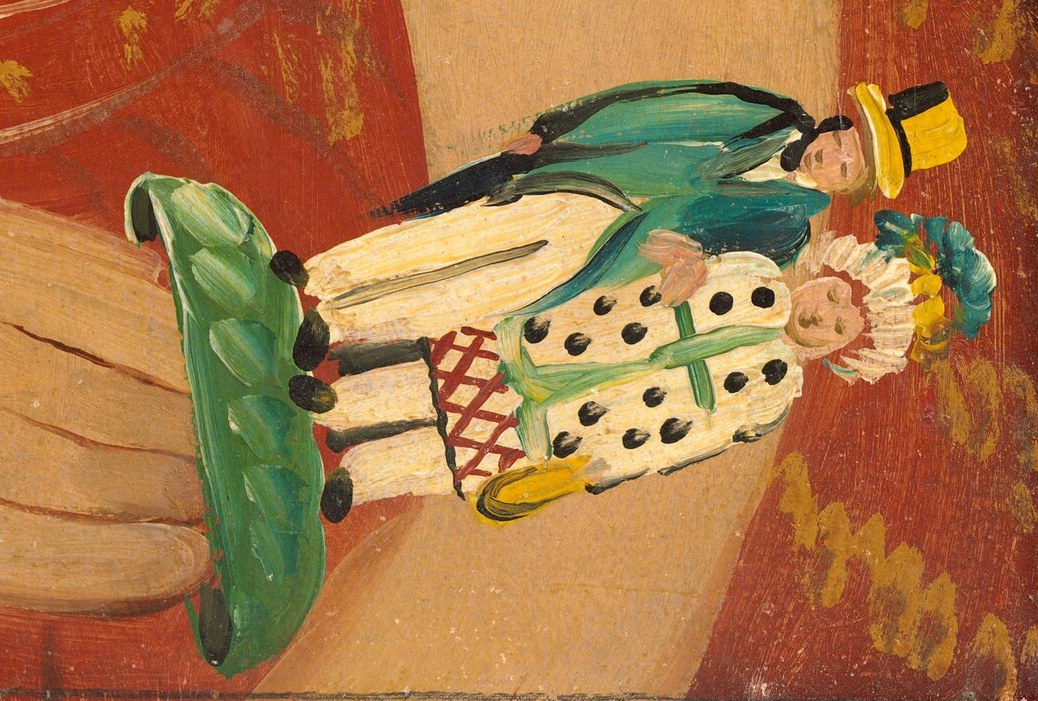
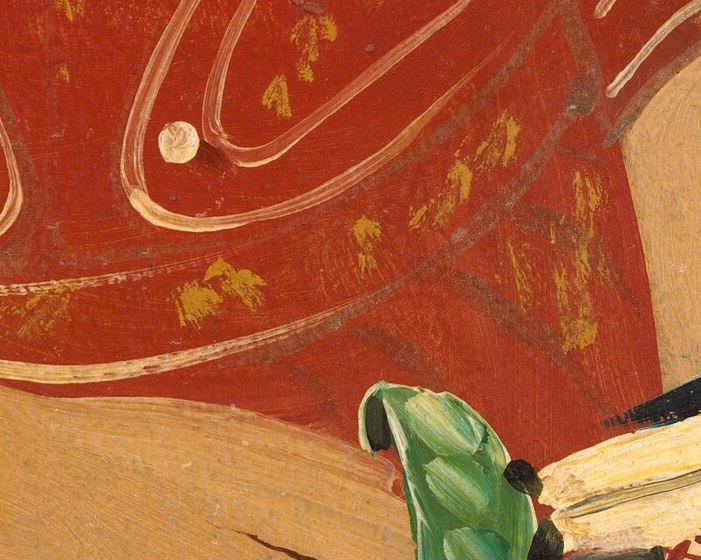
Look closely at the boy's vibrant red garment with its gold trim; it suggests a formal, perhaps special, occasion. Yet, in his left hand, he holds a small, colorful toy figure, a detail that grounds the portrait in the everyday reality of a child's world.
Prior utilized aqueous medium on cardboard, a common material for folk artists of his time. This stylistic choice, favoring clear details over elaborate symbolism, highlights the contemporary focus on personal moments. The painting, now part of a museum collection, captures a universal experience of youth, making a connection across centuries.
What do you imagine this child's day was like after his portrait was finished?
Details
Transcript
This young boy sat for his portrait in 1850. Formal portraits of children like this were popular then. His red garment with gold trim suggests a special occasion. But his toy figure reveals a private, playful world. The painter was known for capturing children and domestic life. It shows us childhood, over 170 years ago.