Study For Liberty Displaying the Arts and Sciences, or The Genius of America Encouraging the Emancipation of the Blacks by Samuel Jennings
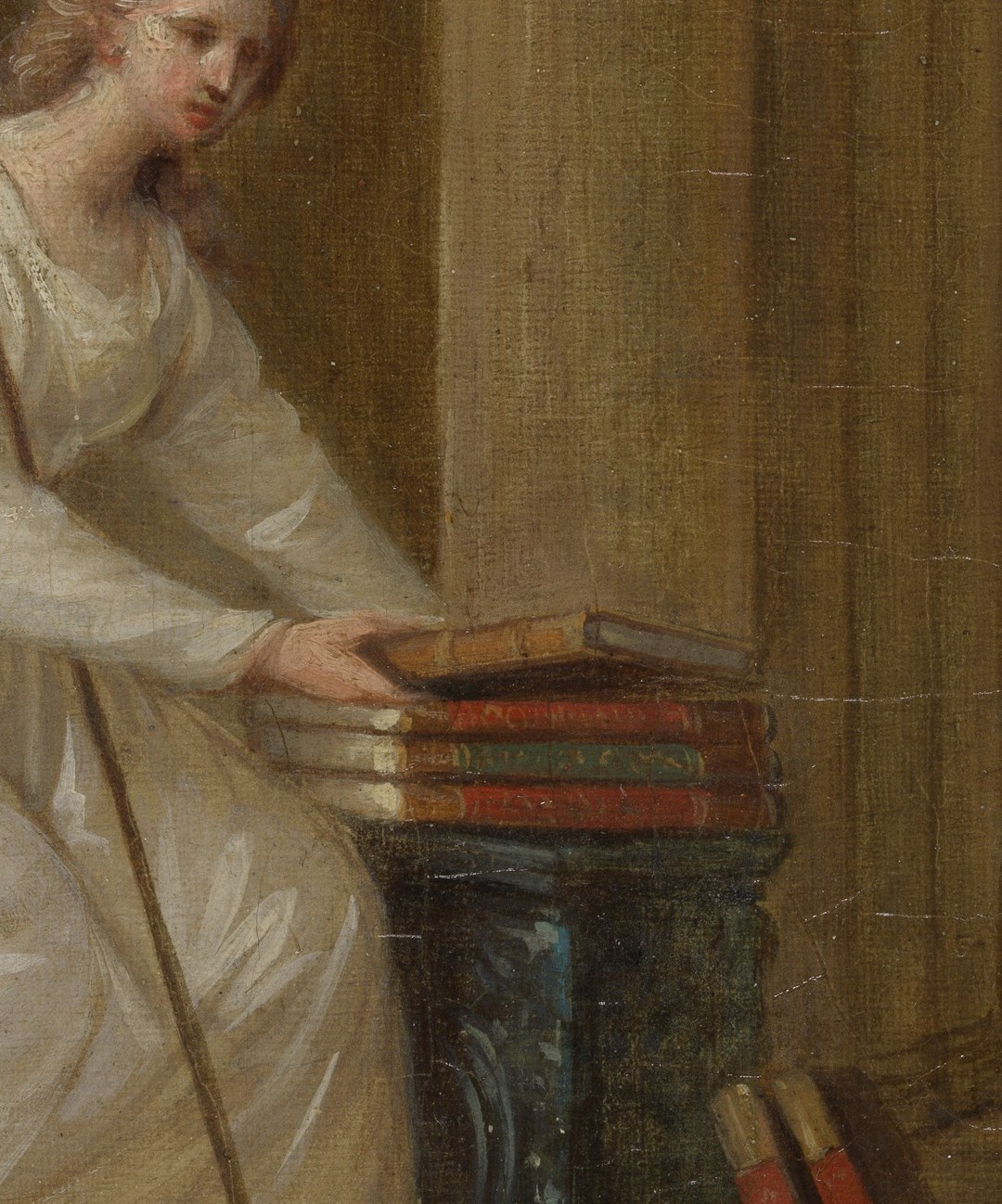
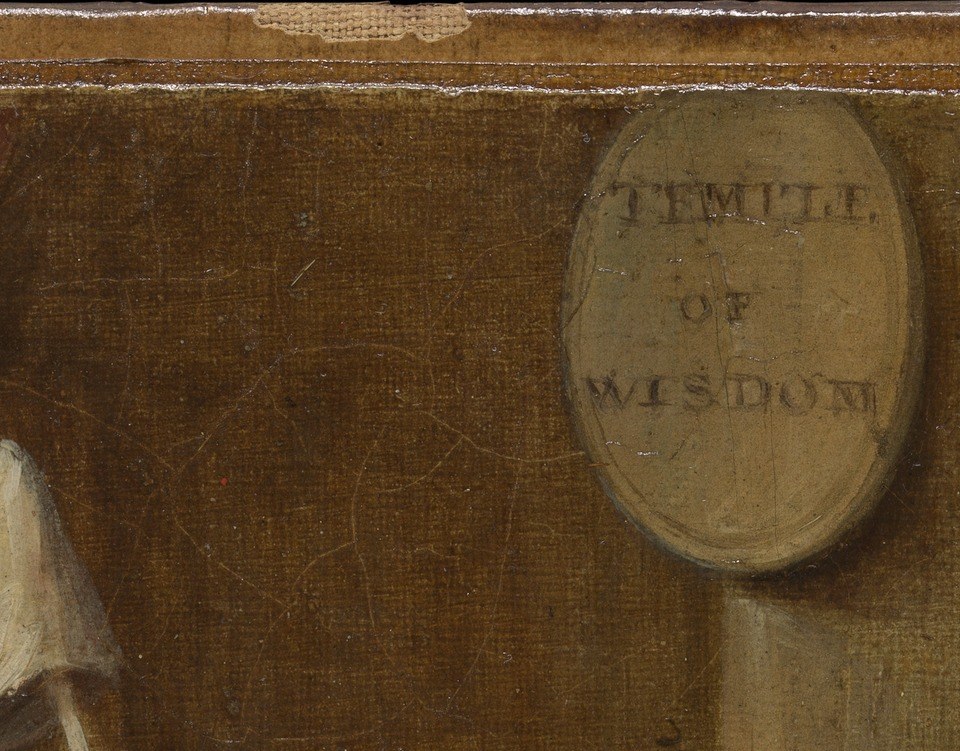
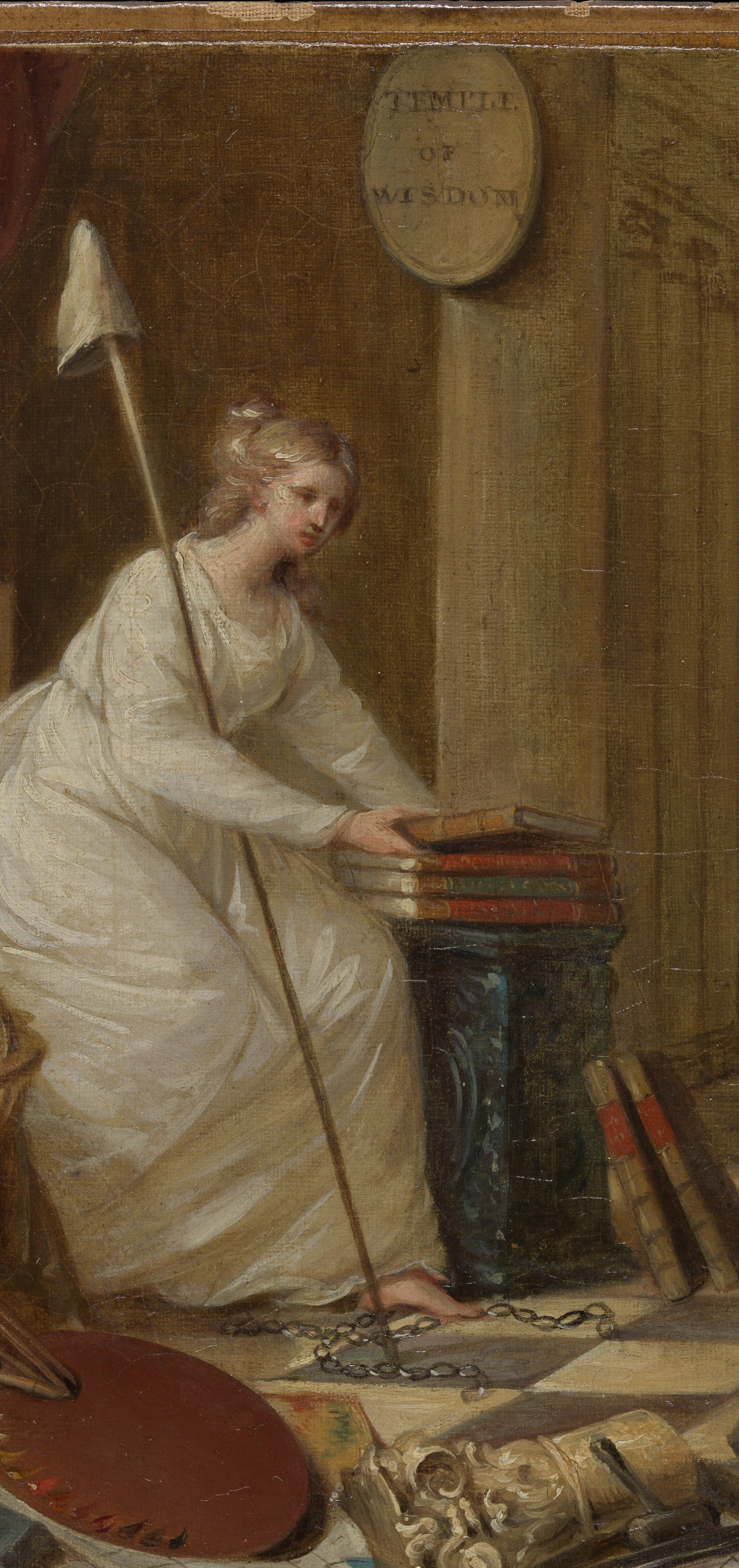
This is Samuel Jennings's "Study For Liberty Displaying the Arts and Sciences," painted in 1791 and now at the Metropolitan Museum of Art. Its full original title is a manifesto: "The Genius of America Encouraging the Emancipation of the Blacks." It was commissioned by the Library Company of Philadelphia, a city that was at once the capital of American liberty and a stronghold of slavery.
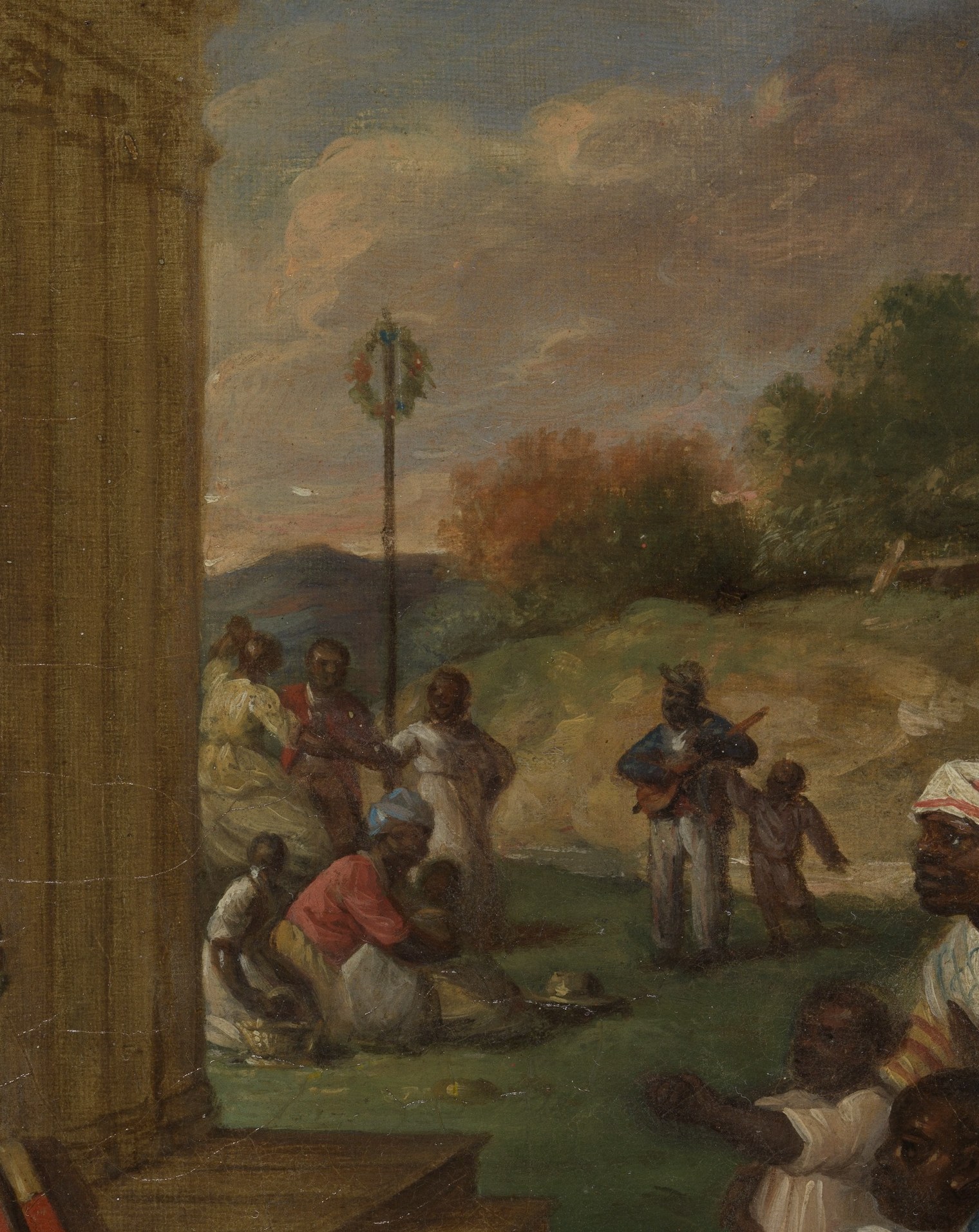
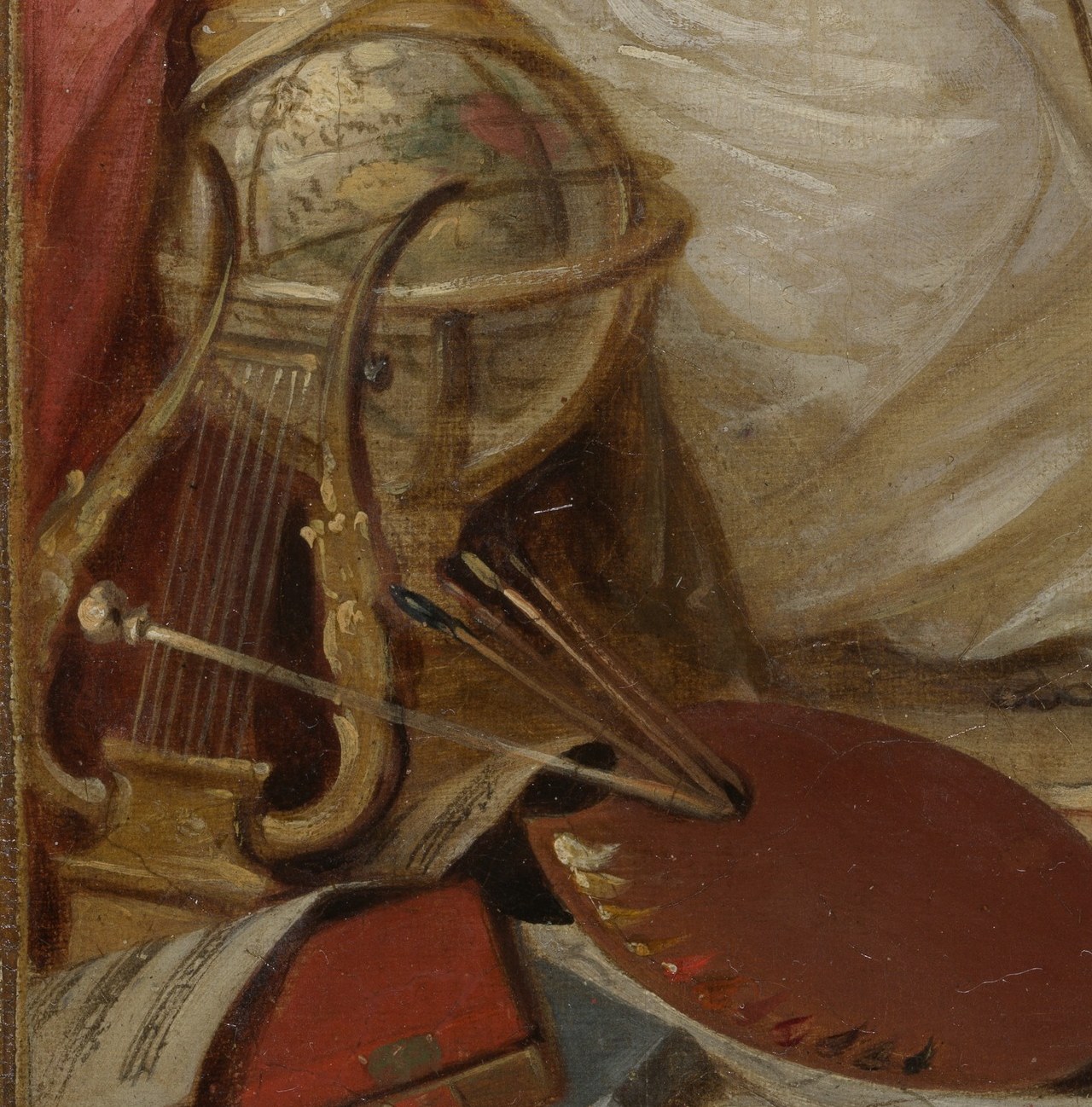
Look into the right background. Past Liberty and her books of knowledge, a group of emancipated people stand upright in a sunlit landscape before a classical temple. Jennings makes them neither supplicants nor allegories, they are simply free people, visible and present. In the foreground, the armor of war is discarded. The argument is clear: a nation built on enlightenment must abandon conquest and embrace emancipation.
The Library Company never accepted the finished painting. The explicit abolitionist theme likely proved too confrontational for an institution that counted slaveholders among its members, even in Philadelphia. For a new republic declaring liberty an inalienable right, this canvas held up a mirror it was not yet willing to face.
What does it take for a nation to deserve its own ideals? Jennings painted one answer. The men who paid for it looked away.
Details
Transcript
1791. The new republic is barely a decade old. A Philadelphia library commissions a painting. She holds the keys of knowledge. The title promised emancipation of the Blacks. In the background, free people standing in the sun. The armor of war, thrown to the floor. But the library rejected it. America wasn't ready to look.