The wrath of Ahasuerus by Gerbrand van den Eeckhout
Gerbrand van den Eeckhout, a favored student of Rembrandt, completed 'The Wrath of Ahasuerus' in 1692. This oil painting captures a pivotal and dramatic moment from the biblical Book of Esther, a popular subject in 17th-century Dutch art.
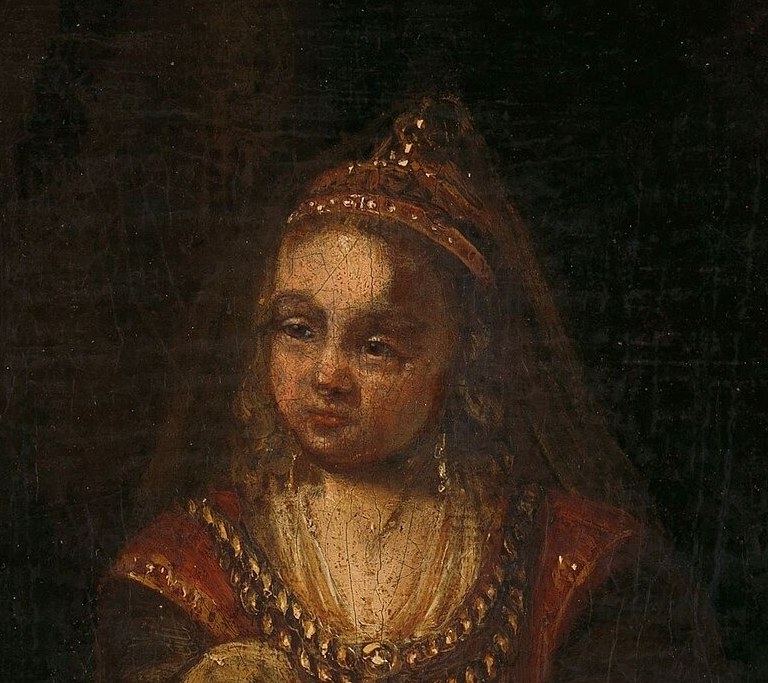
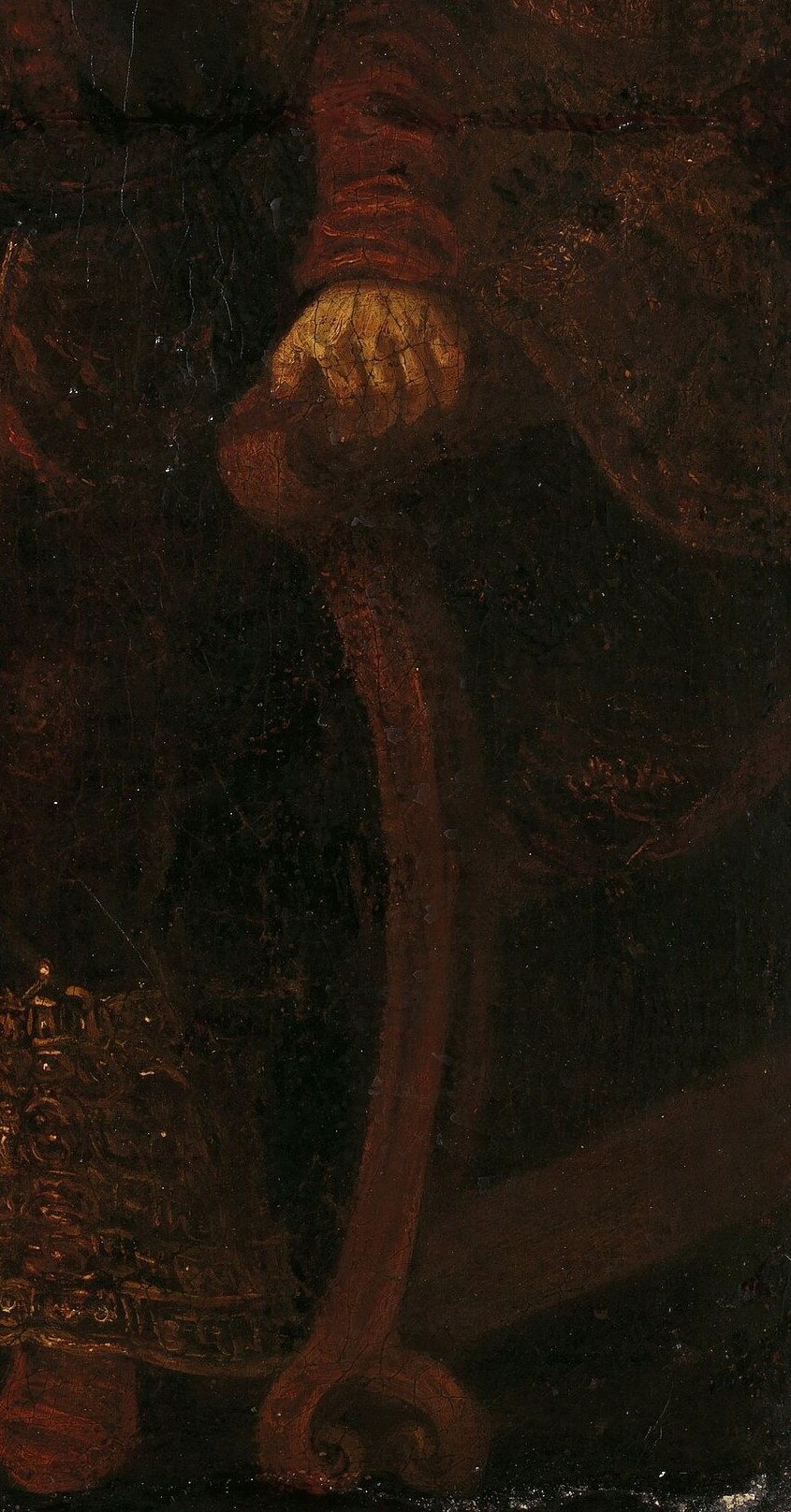
The artwork shows Queen Esther revealing Haman's wicked plot against the Jewish people to King Ahasuerus during a banquet. Observe Haman's shadowed face, turning away in dismay, while King Ahasuerus reacts with a gesture of command or fury, his rich robe and turban highlighting his royal status.
Eeckhout was a versatile figure of the Dutch Golden Age, not only a painter but also an etcher, poet, collector, and art adviser. His use of strong light and shadow intensifies the emotional expressions and rich textures within the scene.
The painting is now part of the esteemed collection of the Rijksmuseum. What details do you notice first in this dramatic confrontation?
Details
Transcript
This painting captures a moment of dramatic revelation at a banquet. Queen Esther has just exposed Haman's plot against her people. His face twists, realizing his scheme is undone. The King, shocked, raises his hand in wrath. The artist, Gerbrand van den Eeckhout, was Rembrandt's student. He captures the scene's intensity with dramatic light and shadow.