Virgin and Child with the Young Saint John the Baptist by Antonio da Correggio
This painting, Virgin and Child with the Young Saint John the Baptist, by Antonio da Correggio (c. 1513), is a masterclass in early Renaissance technique. Correggio, working in relative isolation in Parma, developed a style that would influence later Baroque artists.
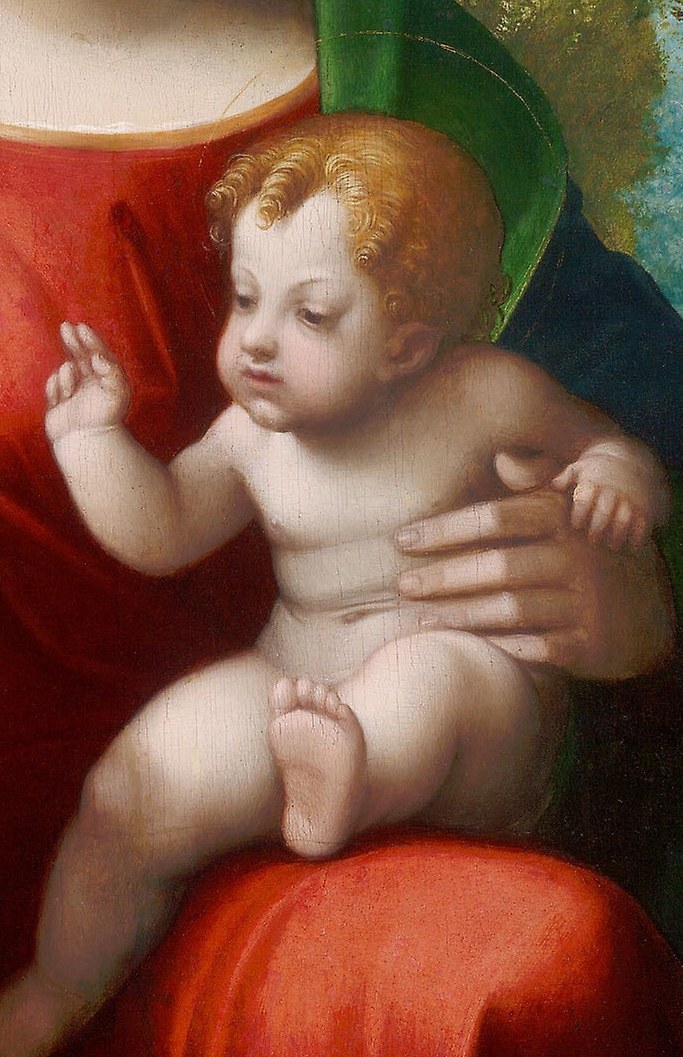
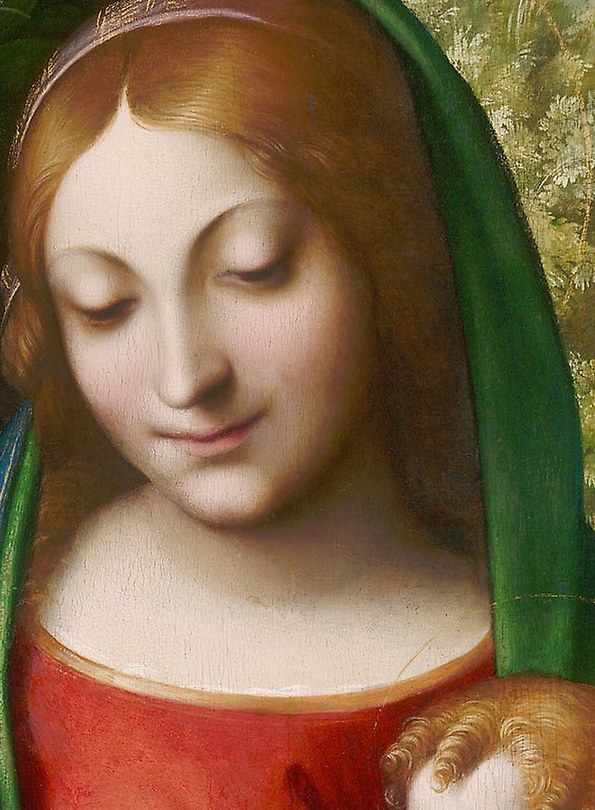
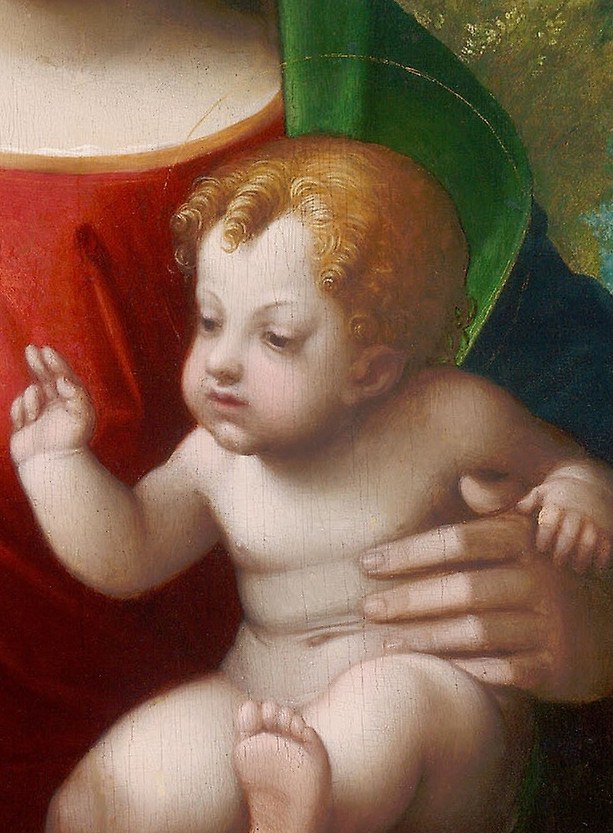
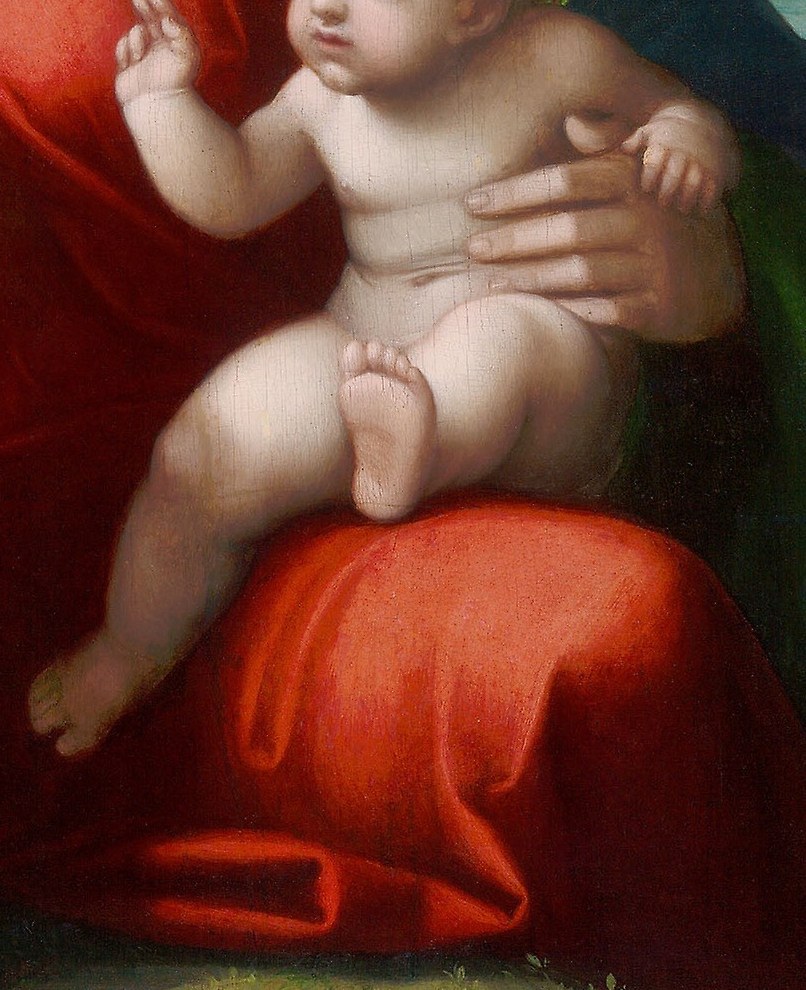
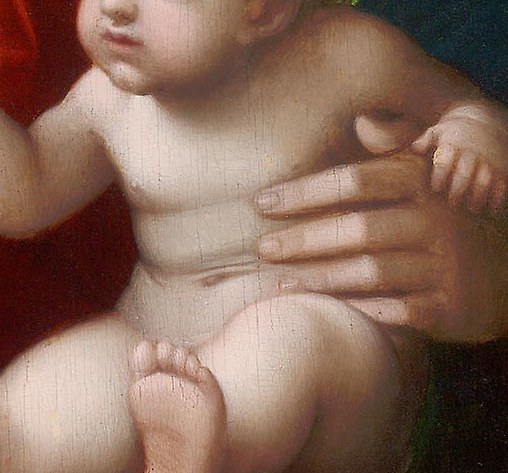
Observe the masterful use of chiaroscuro and sfumato. Chiaroscuro, the dramatic interplay of light and shadow, gives volume and presence to the figures, particularly evident in the deep folds of the red dress. Sfumato, the subtle blurring of outlines, creates that signature softness, especially noticeable on the Madonna's face, lending an ethereal quality.
Painted in oil on wood, this work showcases Correggio's innovative approach to form and mood. Despite its relatively small size, it conveys immense emotional depth. The painting has had a varied history, including a brief theft after its acquisition for the Art Institute of Chicago in 1965, but was fortunately recovered.
Correggio’s ability to imbue his figures with such tender humanity through paint remains captivating. How does light itself seem to become an emotional force?
Details
Transcript
See how light shapes every form. His chiaroscuro creates deep shadows. Sfumato makes her face so soft. Look at the light on his plump arm. Correggio used light and shadow to paint. His style came from Parma, far away. This technique lent figures emotional depth.