Madonna and Child on a Curved Throne by Byzantine 13th Century
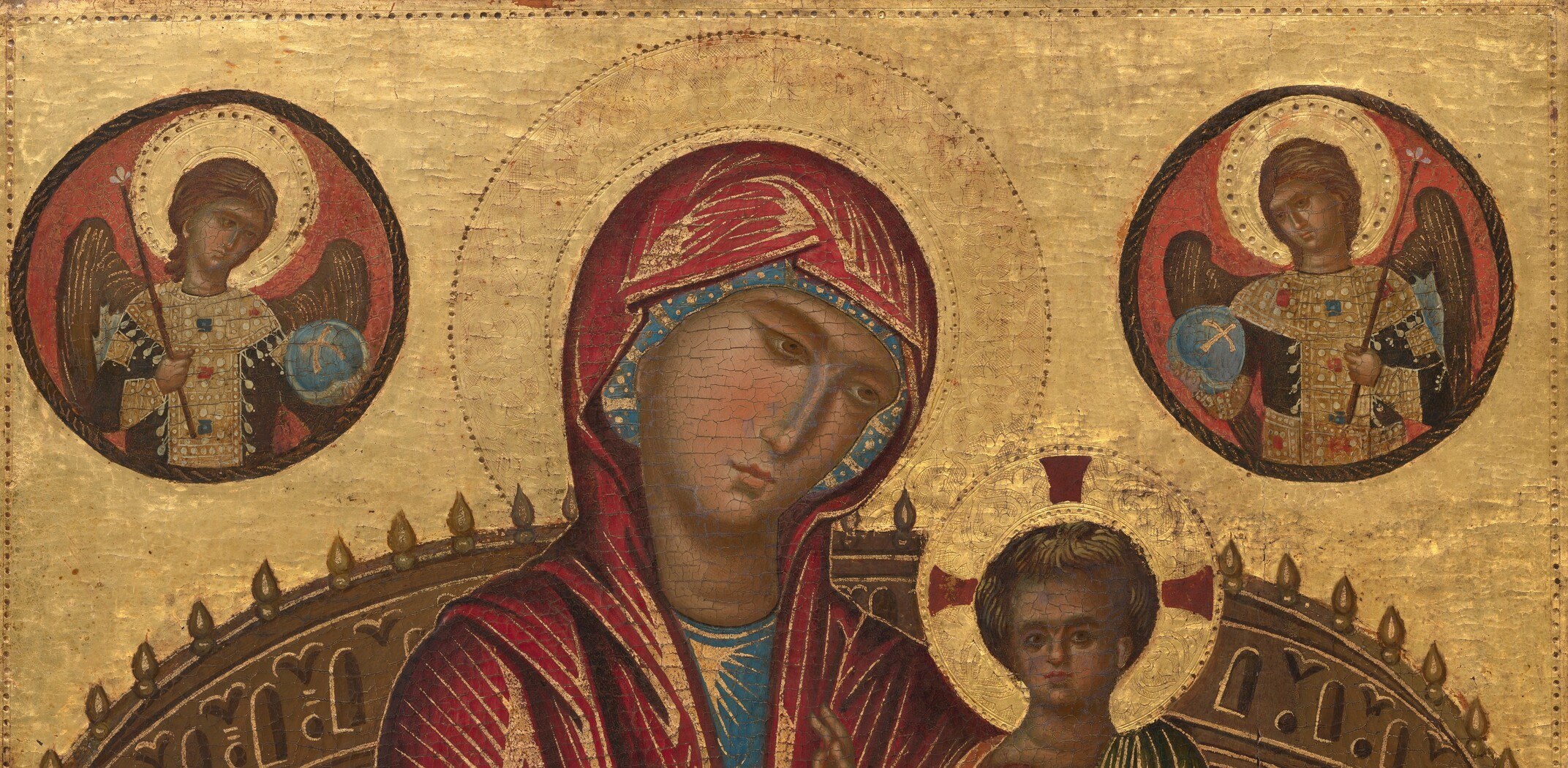
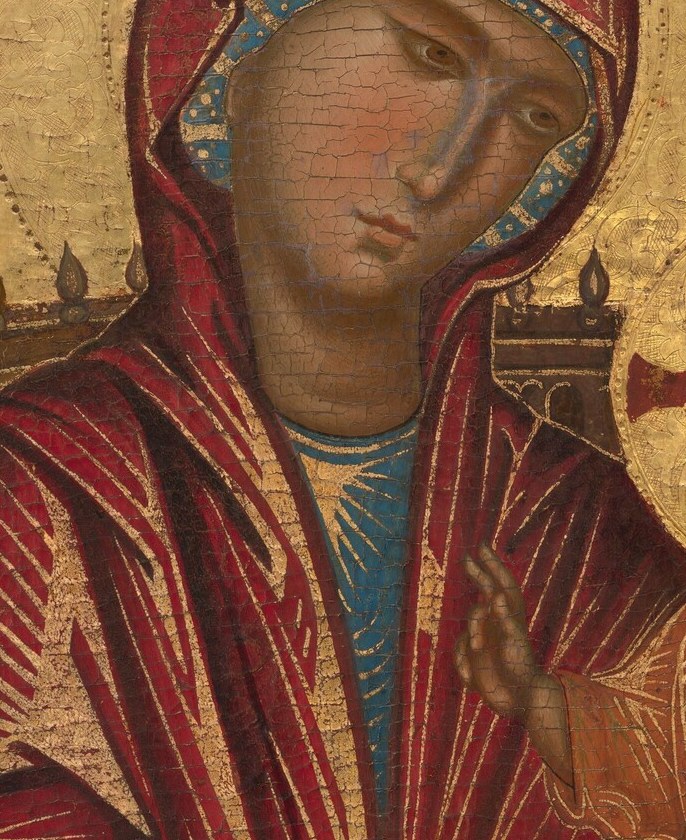
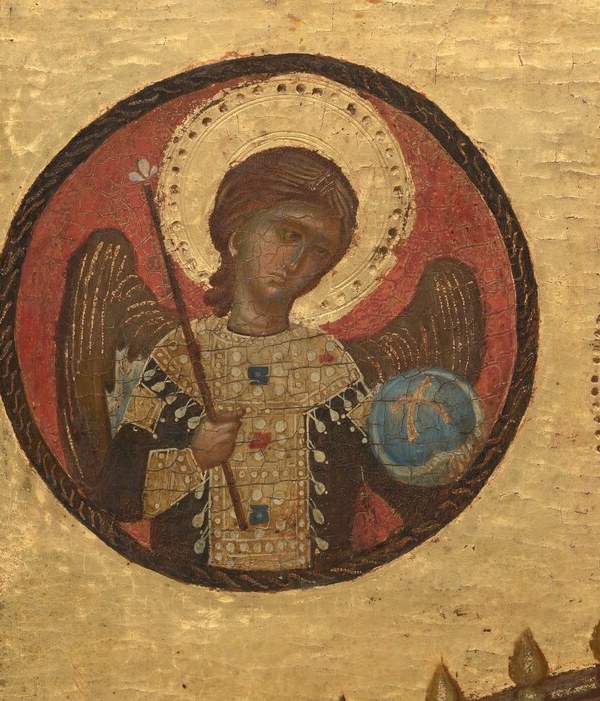
The "Madonna and Child on a Curved Throne" (c. 1260/1280) is a fascinating Byzantine tempera on linden panel painting that, despite its seemingly traditional appearance, subtly foreshadows major changes in art. While it retains the gold background and symbolic elements characteristic of earlier devotional art, a closer look reveals a nascent realism that would soon blossom in the Renaissance.
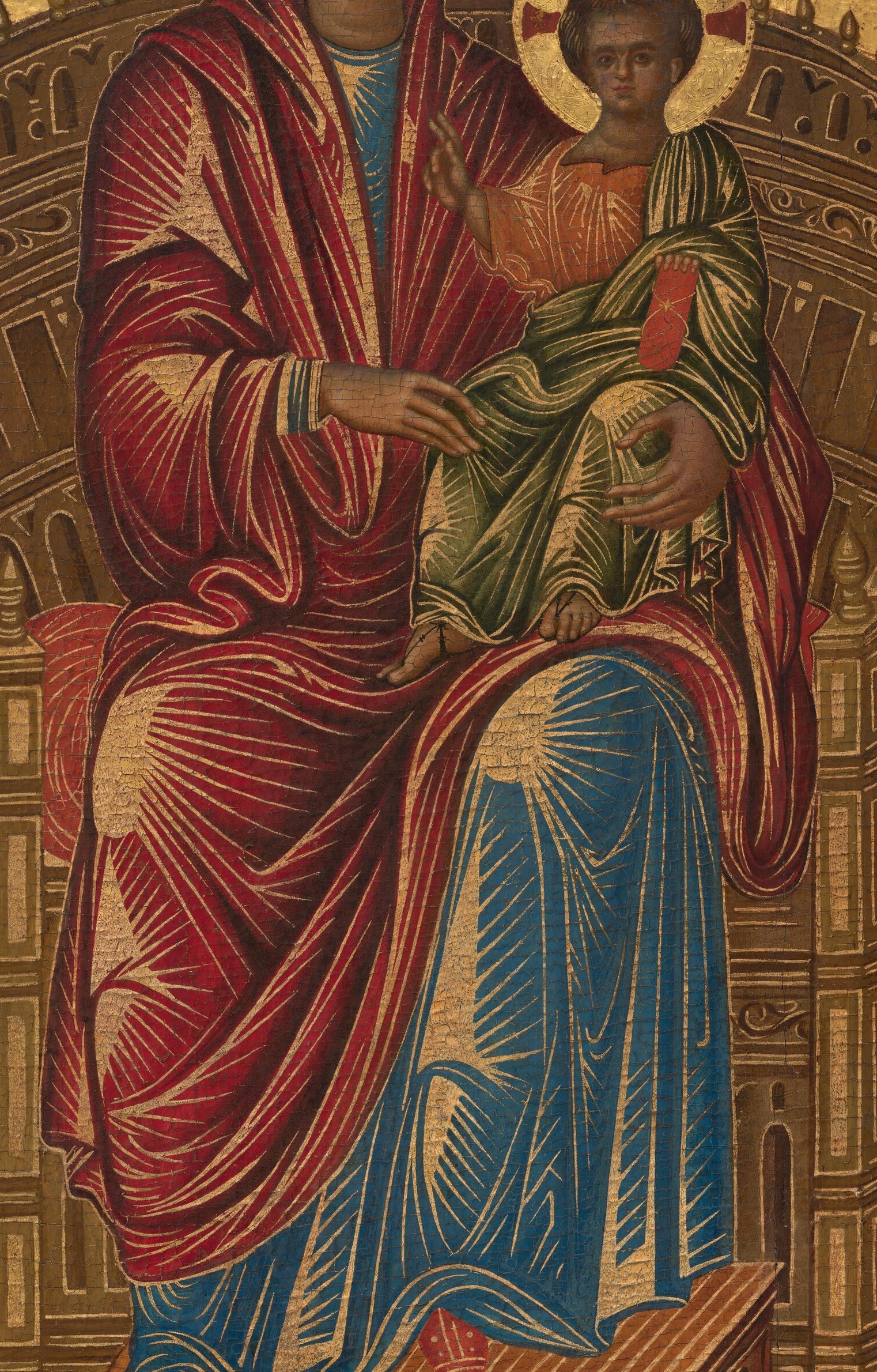
Notice the Christ Child's face. Unlike the flat, abstract depictions common at the time, his features, though idealized, have a softness and a direct gaze that suggest a new attention to human likeness. This small detail points to a profound shift away from purely symbolic representation towards a more humanistic approach in art.
Created during a transitional period, this painting is an early example of artists beginning to observe and render the world with greater fidelity. This move towards naturalism would eventually redefine Western art, focusing on the human experience and the tangible world.
What other subtle details do you notice that bridge the gap between ancient symbolism and emerging realism?
Details
Transcript
This painting looks ancient, but it quietly broke tradition. The gold background, for example, evokes divine light, not reality. But look at the Christ Child's face, usually flat and symbolic. His direct gaze and soft cheeks hint at a new realism. This shift marked the beginning of a humanistic revolution in art. Artists would soon paint people as they truly appeared.