The Good Samaritan by http://www.wikidata.org/.well-known/genid/6ab871b72874d111a8f81f9e29e373ca
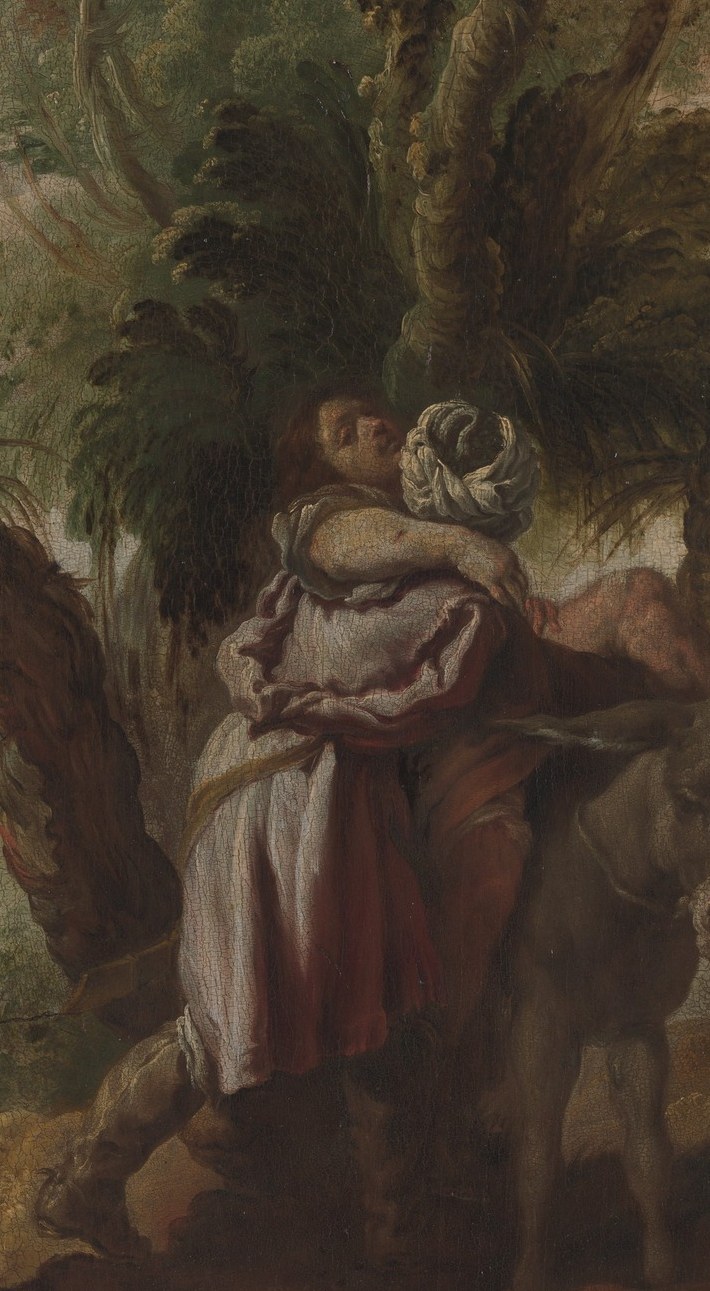
This is "The Good Samaritan" by Jan Baptist Weenix, painted around 1618. It hangs today in the Museum of Fine Arts in Budapest, but it very nearly didn't survive to tell its story.
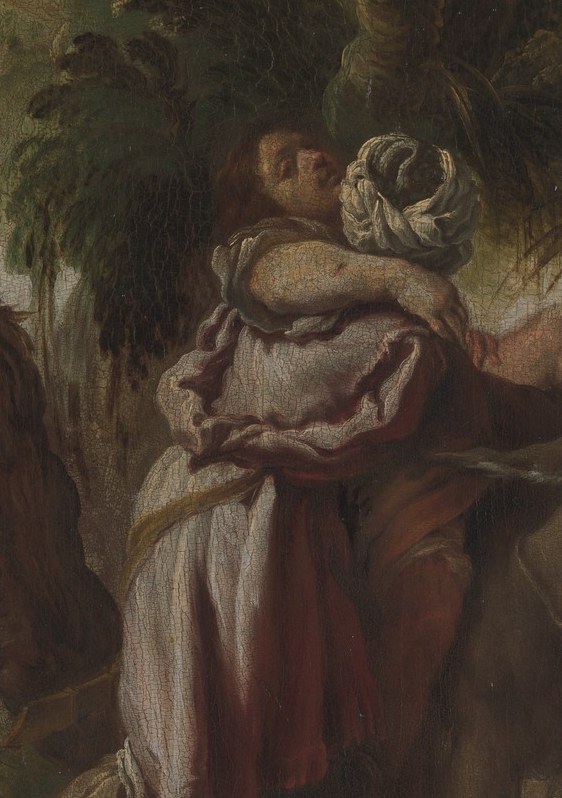
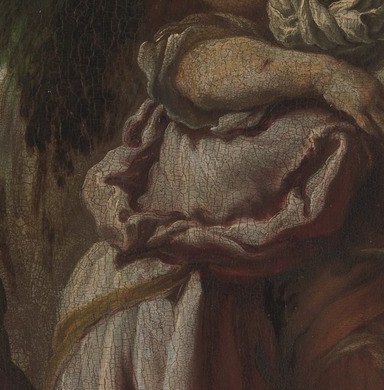
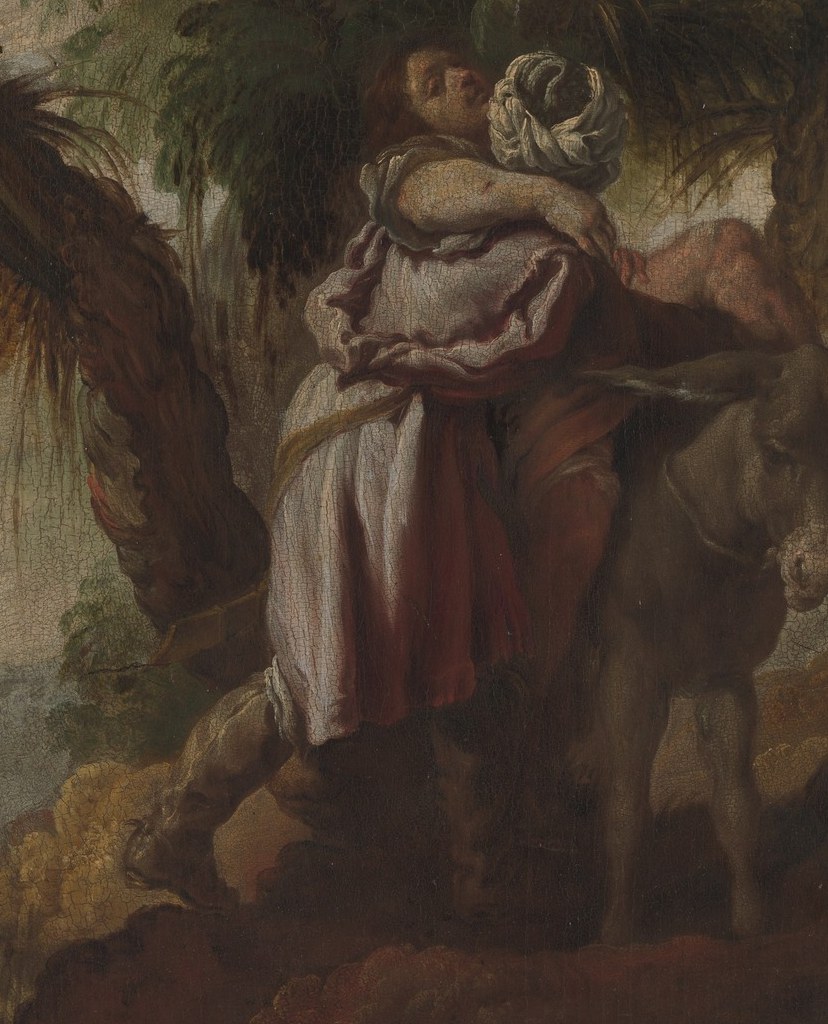
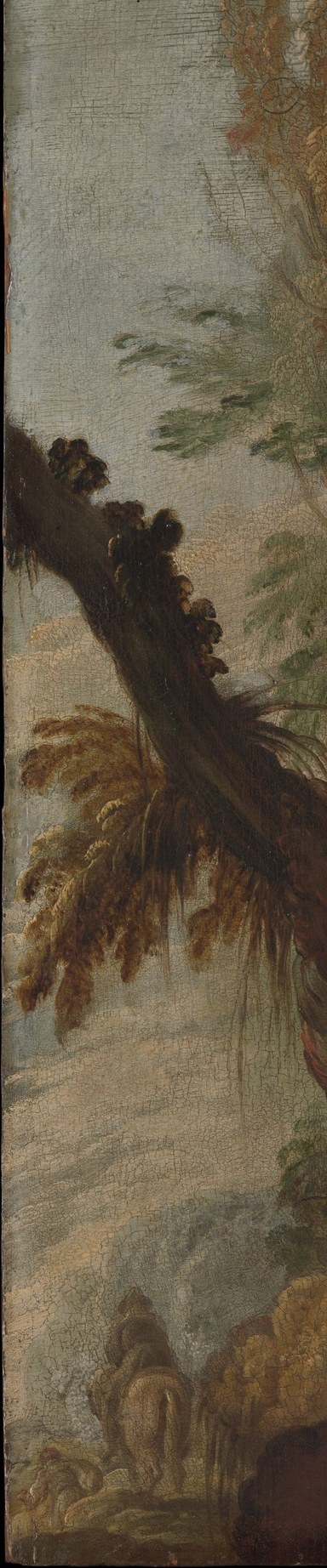
Look at how Weenix builds the scene. The rider's pale robe is the only strong burst of light in a nearly black forest. His hands, barely gripping the reins, suggest a deliberate, unhurried kindness. The massive tree trunks form a dark arch around him, turning a dangerous forest into a kind of natural cathedral for a single act of mercy.
In November 1983, thieves broke into the Budapest museum and took seven precious works, including this one and major paintings by Raphael. The international hunt lasted for years. This painting was eventually found abandoned in a ditch outside the city, wrapped in a bedsheet. It had been missing, hidden in the shadows like the subject it depicts.
The parable of the Good Samaritan is about a stranger who stops when others won't. This canvas became a rescue story in itself. What do you notice first when you look at the rider's face?
Details
Transcript
In 1983, thieves struck the Budapest Museum of Fine Arts. They took seven paintings. This was one of them. The rider's white robe cuts through a world of shadow. His hands hold the reins with a quiet, weary care. The stolen canvas was found in a ditch, wrapped in a sheet. This is the rescue of a painting about a rescue.