Lüshan Hui by Song Xu
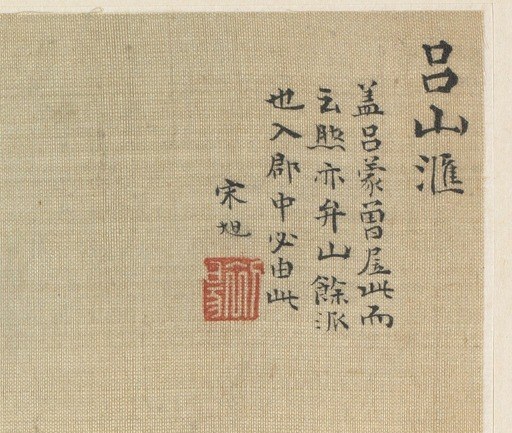
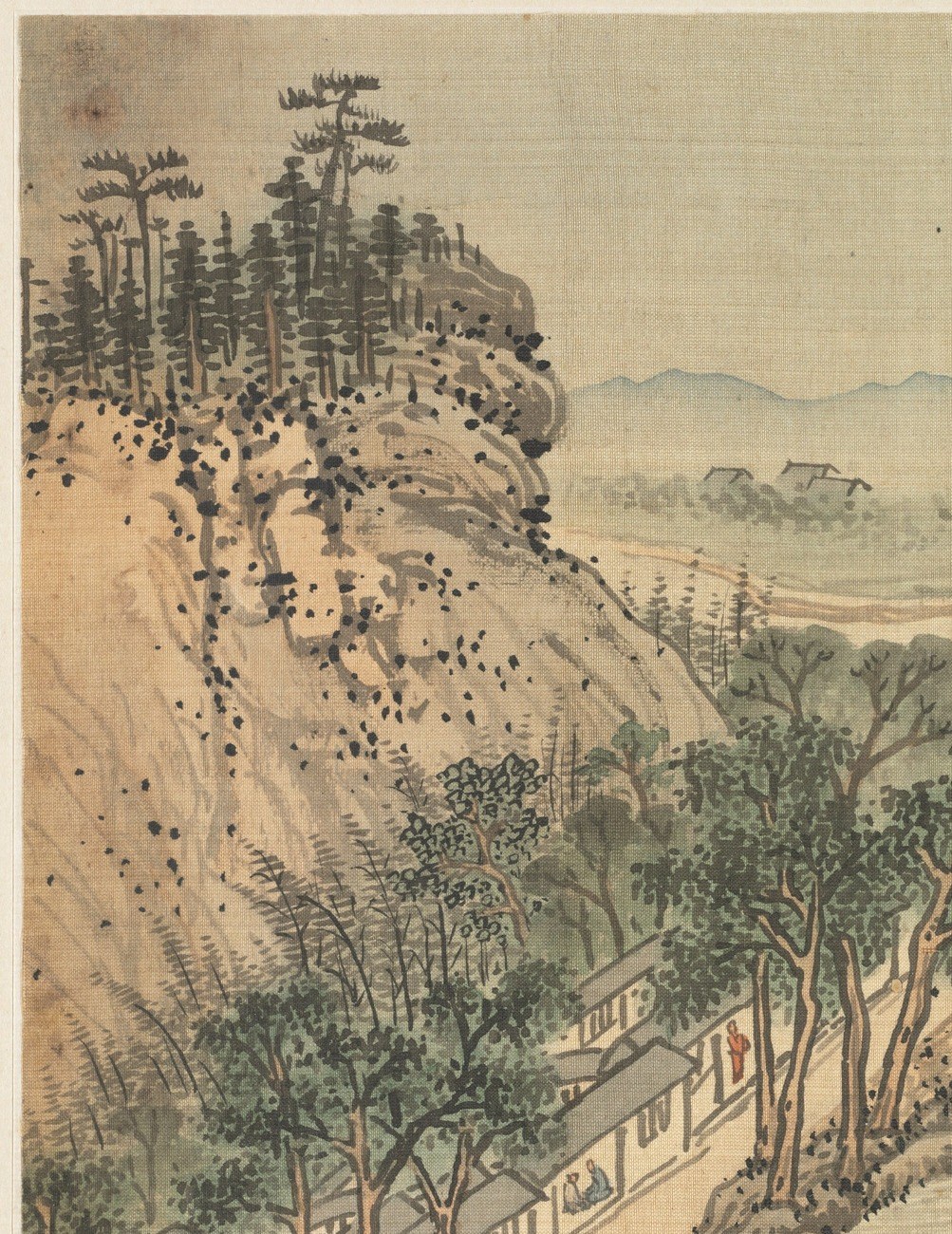
This serene landscape, "Lüshan Hui" by Song Xu, painted in 1594 and held at The Cleveland Museum of Art, holds a key detail that significantly influences its historical and monetary value: the artist's own inscription.
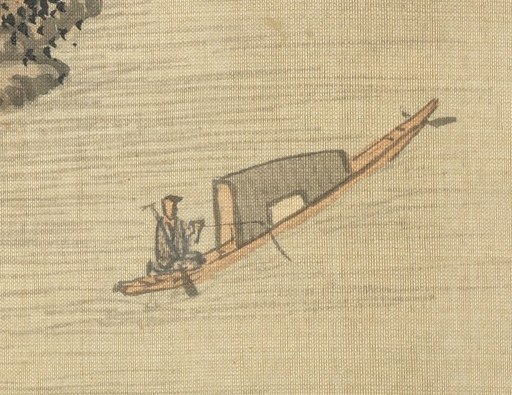
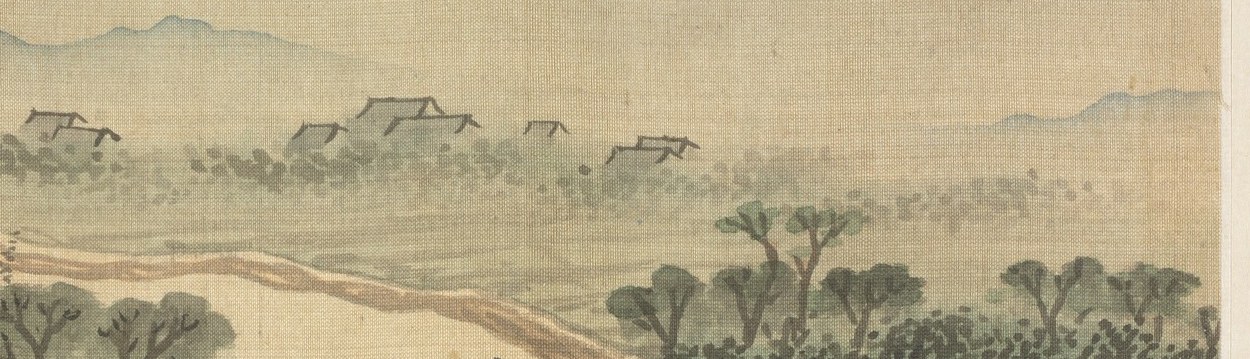
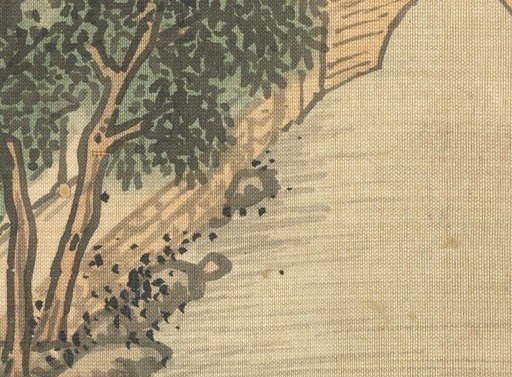
Take a moment to appreciate the quiet beauty of the scene, with its winding river, solitary boat, and an arched bridge. Song Xu, a master of atmospheric landscapes, used soft, muted colors to evoke a sense of tranquility that draws the viewer in.
However, it's the calligraphy and the distinctive red seal in the corner that are paramount. In Chinese art, such authentic inscriptions are not merely signatures; they are integral to the artwork's identity, provenance, and thus, its market value. They confirm the artist's hand and provide a direct link to its creation, making them invaluable to collectors and scholars alike.
What other hidden details do you think might influence the value of historical artworks?
Details
Transcript
This tranquil Chinese landscape was painted in 1594. A lone boat drifts downriver, past a small stone bridge. This artist, Song Xu, was known for his atmospheric scenes. Yet, the most valuable part is in this corner. His handwritten calligraphy and red seal authenticate the work. Such inscriptions are key to valuing historical Chinese paintings.