Untitled by Zhou Wenju
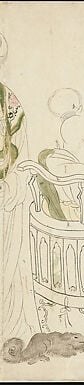
This handscroll, titled *Untitled*, was created by Zhou Wenju in 1834 using ink and color on paper, and is now held in an important collection. While the artist was active in the 10th century, this 19th-century work reflects the sophisticated artistic traditions of the Five Dynasties and Ten Kingdoms period.
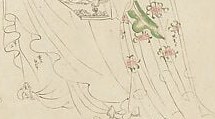
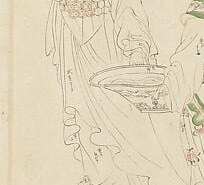
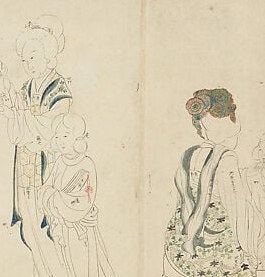
Look closely at the various elements depicted. The presence of a small dog, for instance, often symbolizes loyalty and protection within Chinese art. The inclusion of a child further emphasizes themes of family, lineage, and the continuation of generations.
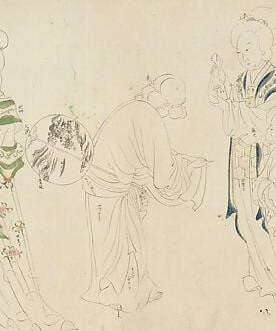
Intriguingly, the scroll features a painting within a painting, a clever meta-pictorial device that suggests the family's engagement with art and intellectual cultivation. Such details were often carefully chosen to convey social and moral meanings.
Together, these elements decode a scene of domestic harmony, virtue, and refined taste. What other subtle meanings do you notice?
Details
Transcript
This scroll, painted in 1834, depicts a quiet domestic scene. The little dog symbolizes loyalty and protection. A child is always a sign of family and future generations. Look closely at the painting within the painting. This meta-painting shows the family's artistic and intellectual pursuits. Together, these elements signal a virtuous, cultured household.