Le Bas Meudon (A Curve of the Seine near Paris) by Huet, Paul
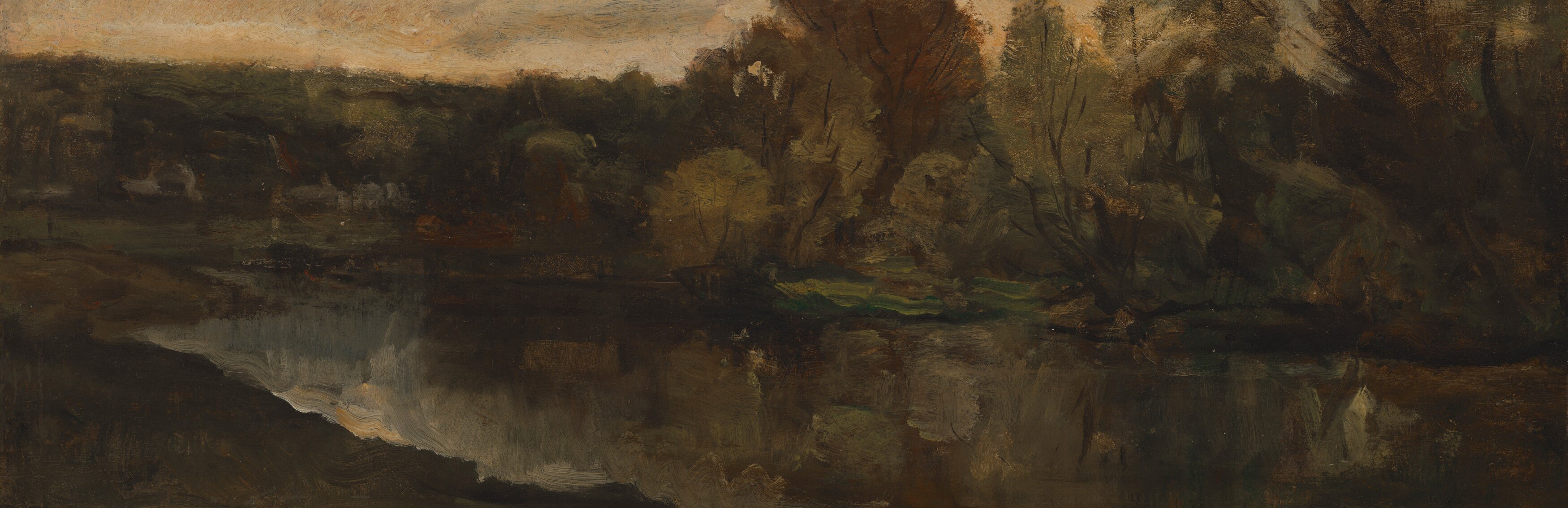
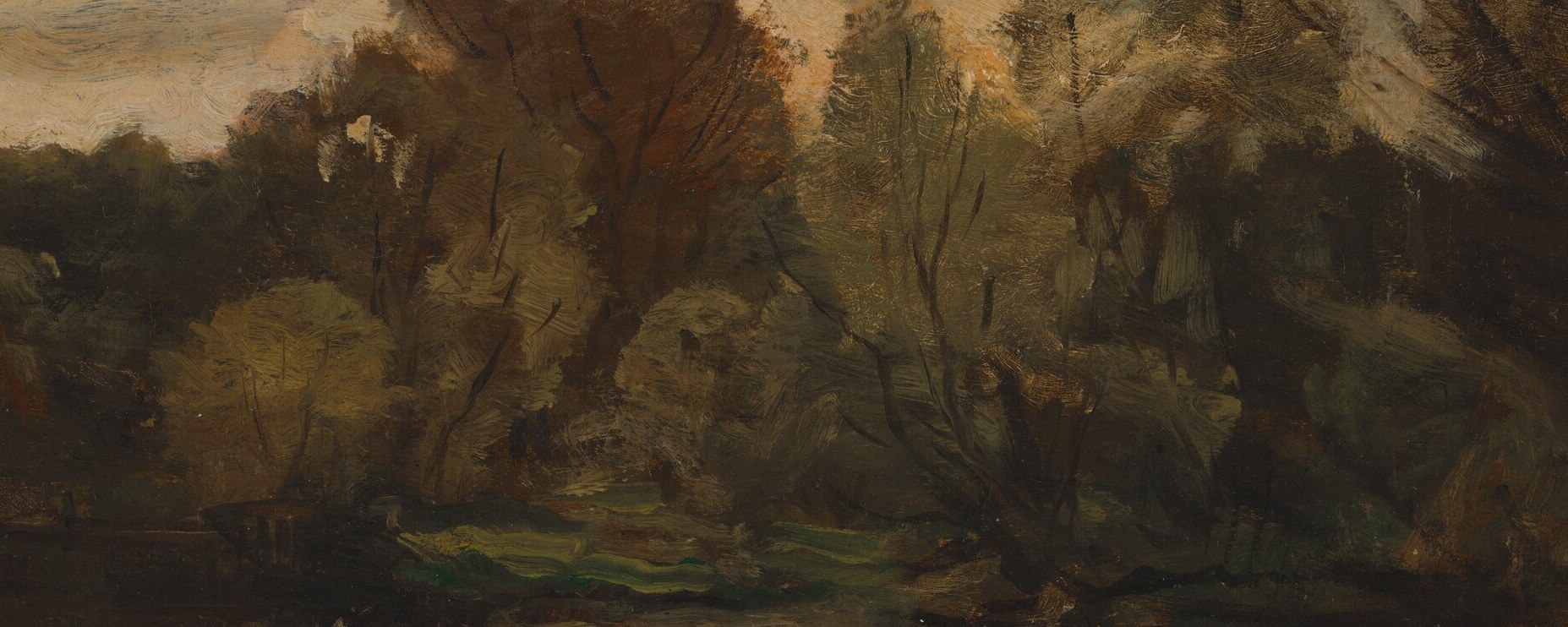
This is Paul Huet's Le Bas Meudon (A Curve of the Seine near Paris), painted around 1826 and now held in a private collection. What it shows is a quiet, atmospheric bend in the Seine. What it hides is a crime scene.
Some of you already saw where this was going. The early 1900s were a free-for-all for art forgers with access to new X-ray technology, and this canvas was no exception. An X-ray taken during that period revealed a portrait beneath Huet's restrained palette, a figure hidden under the trees and water.
The forgers made a calculation. A landscape by a known Romantic painter would sell. An unknown buried portrait wouldn't. So they removed the underlayer completely, scraped the ghost away, and sent the landscape back into the world. The only evidence it ever existed is an old X-ray photograph.
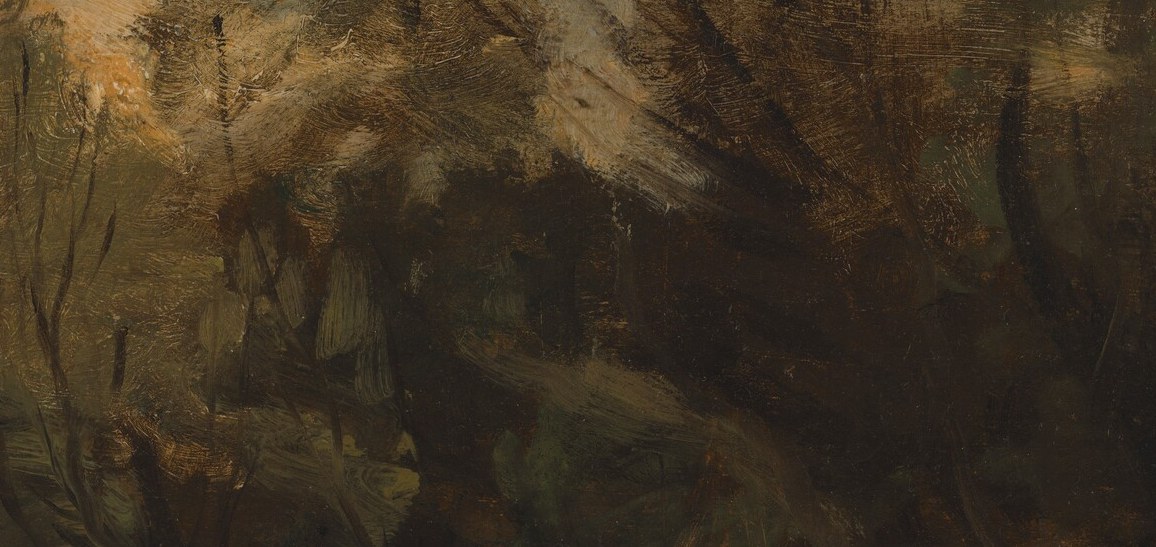
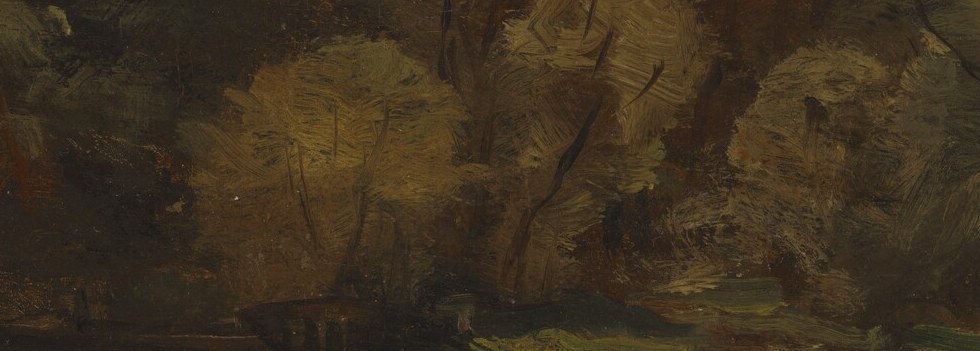
Look at the pale disc in the sky and the dark foreground shadows. Huet painted them to capture transitory light and weather, the fleeting character of nature. The irony is that his landscape now outlasts the human figure that was literally painted over. The Seine keeps bending. The ghost is gone.
Details
Transcript
Paris, early 1900s. Two art forgers bought this painting. They X-rayed it and found something underneath. Beneath the trees and the shifting sky: a portrait. They scraped it off and put the landscape back on the market. But the X-ray photograph survived. Under Paul Huet's river is a ghost, now invisible forever. One man's quiet landscape is another man's erased crime scene.