Still-Life of Glass, Pottery, and Sweets by Juan van der Hamen
Juan van der Hamen's "Still-Life of Glass, Pottery, and Sweets" from 1622 is a prime example of his mastery in the still life genre. Van der Hamen was instrumental in popularizing still lifes in Madrid during the 1620s, a period when this subject was gaining traction across Europe.
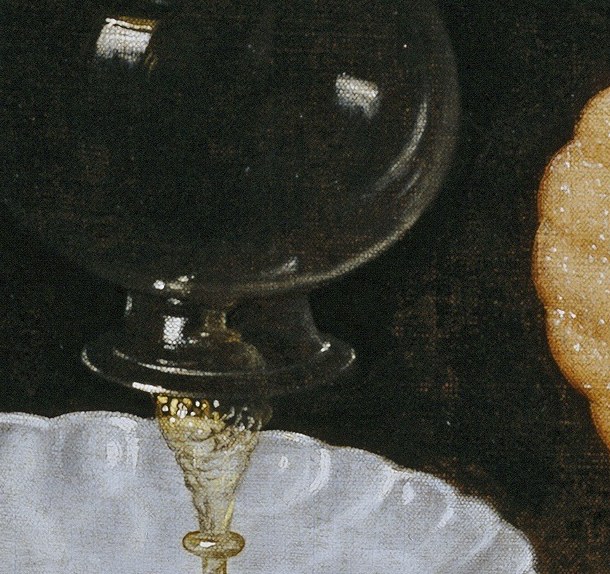
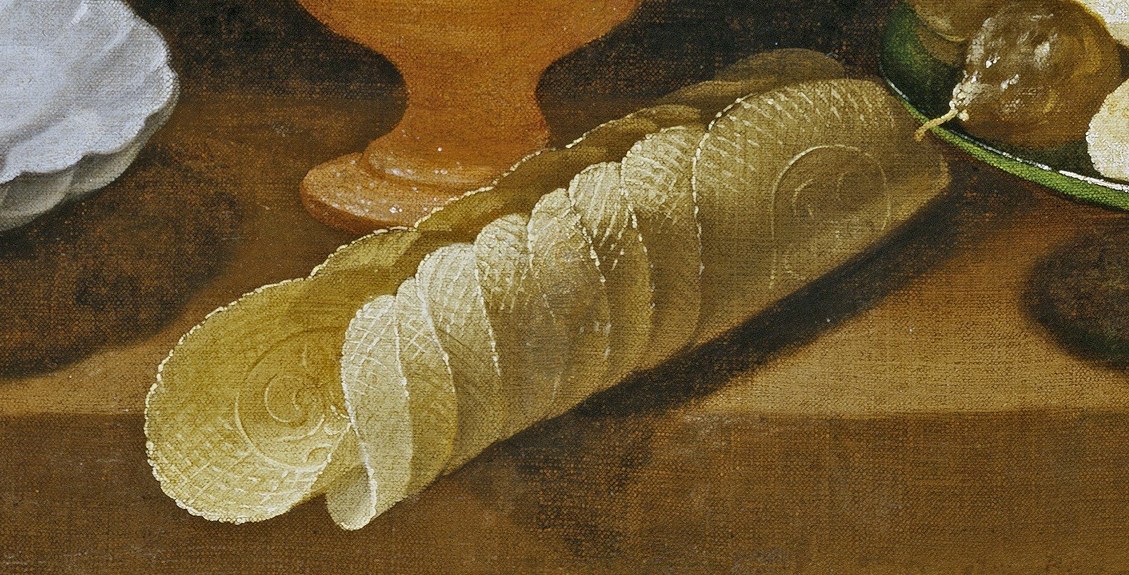
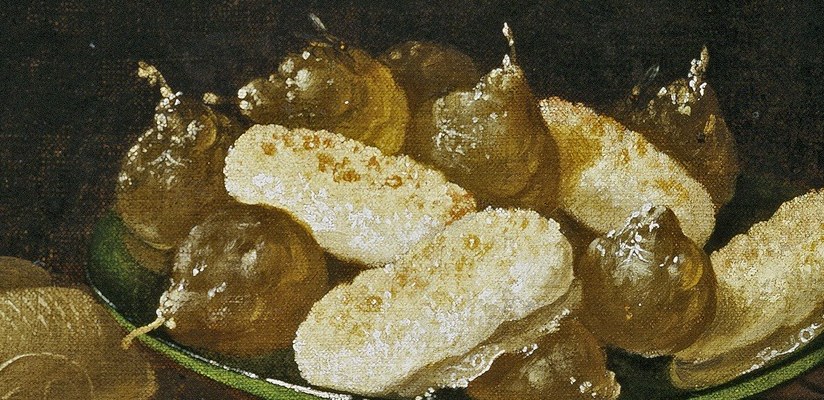
Observe the exquisite arrangement of glassware, pottery, and confectionery. The artist's skillful use of light, particularly on the delicate glass goblets and the glistening candied sweets, creates a sense of depth and texture. Pay attention to the intricate details of the rolled wafers.
This painting was created when van der Hamen was already an established artist known for versatility, but his bodegones (still lifes) became particularly influential. The work is now housed at the Museo del Prado.
These objects, rendered with such precision, offer a glimpse into the refined tastes and domestic aesthetics of early 17th-century Spain.
Details

Transcript
Look at this exquisite table setting. He made this in 1622. Glassware shines with remarkable realism. He was key to making still lifes popular. Notice the fine details in the wafers. Light defines the sugary sweets. This composition uses dramatic light and shadow.