Portrait of Frans Francken I (1542–1616) by Anthony van Dyck
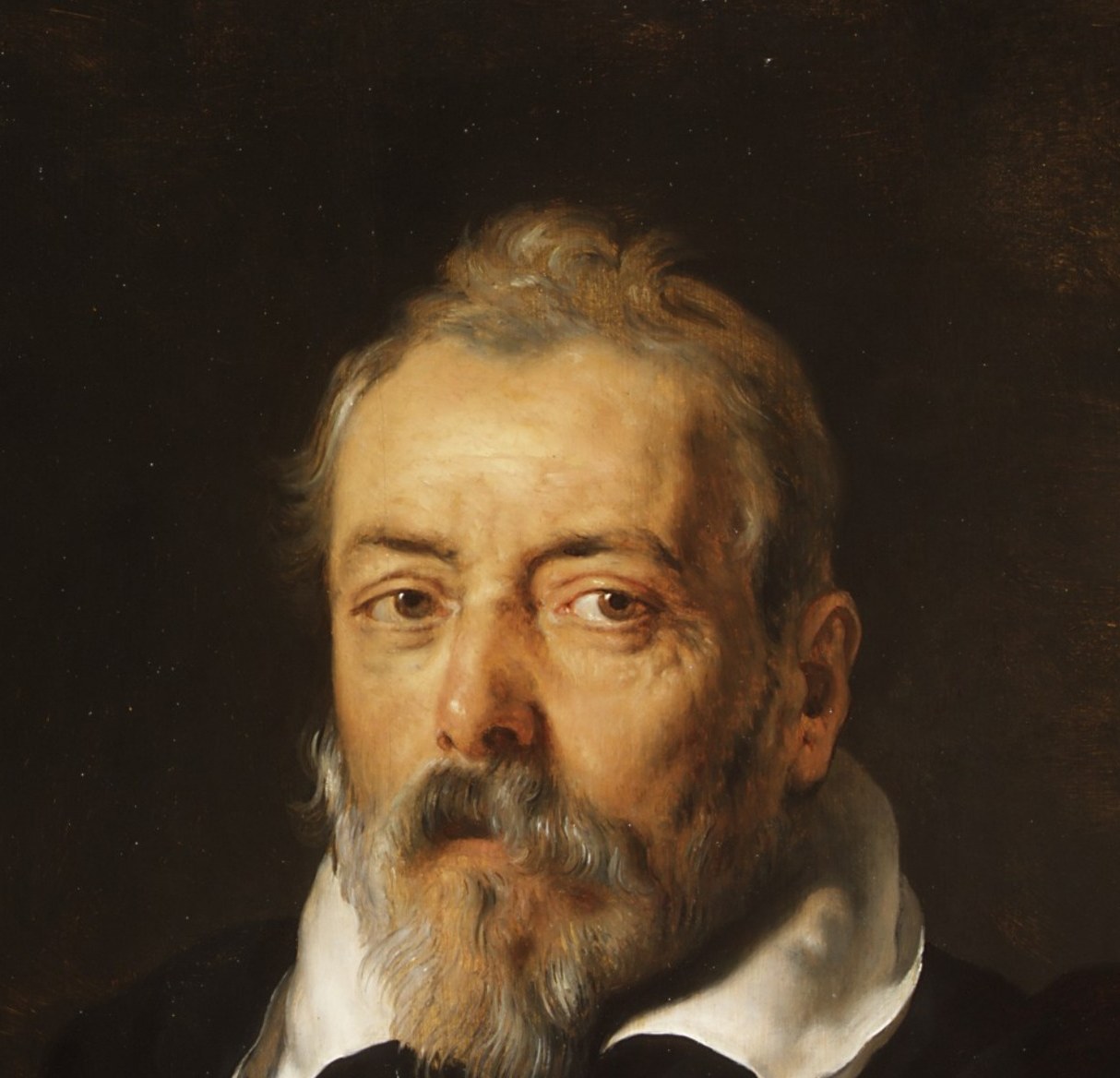
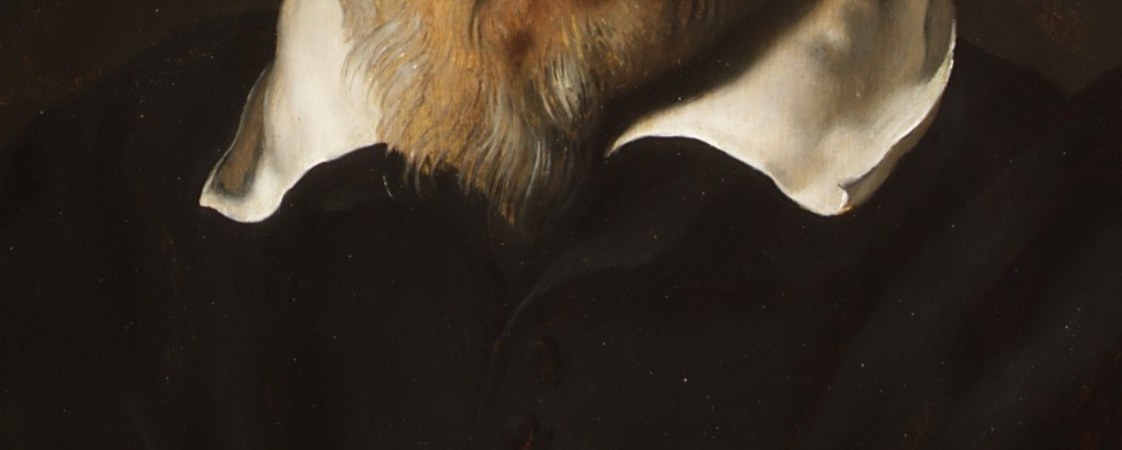
Anthony van Dyck's Portrait of Frans Francken I, painted in 1630 and held at the Metropolitan Museum of Art, is a rare thing: a portrait of one great painter by another, stripped of flattery.
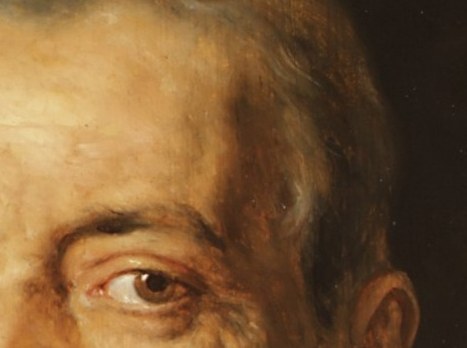
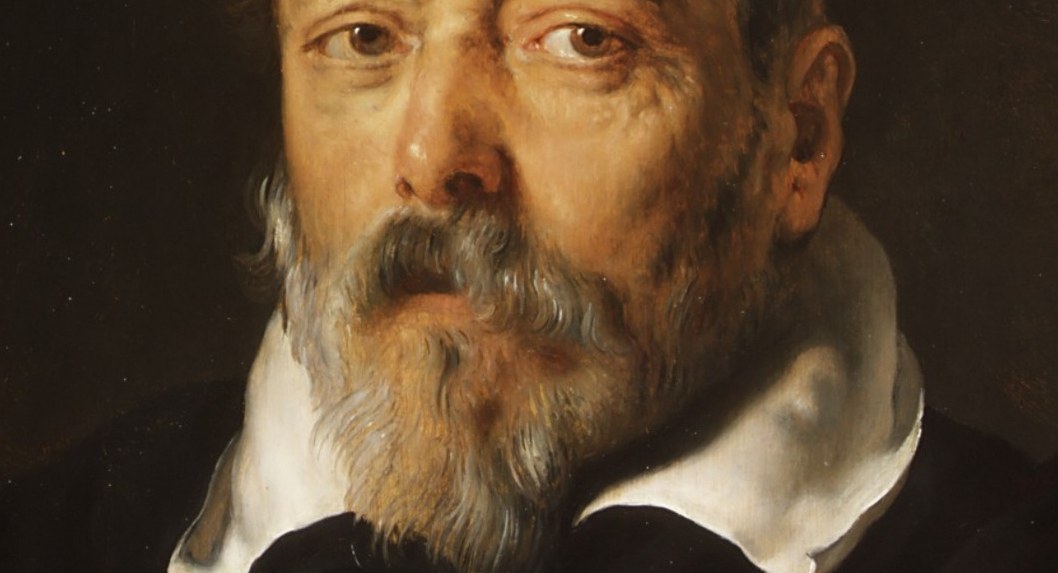
Look at the face, the only place Van Dyck allows any real light to land. The wrinkles around the eyes, the age spots on the bare crown, the white beard rendered as a soft mass, all of it is honest. But the detail that changes the painting is the left eye. It is visibly bloodshot, a moment of physical frailty caught in paint. An aristocratic sitter would never have allowed it. An artist facing another artist apparently did.
Van Dyck was 31 when he made this, already famous across Europe and soon to become court painter to Charles I of England. His sitter, Frans Francken I, was in his late eighties, a founder of a dynasty of Antwerp painters. The portrait belongs to a series of artist portraits Van Dyck made around this time, published as etchings in his Iconography. This oil version, kept for himself or given to the Francken family, is the one that mattered most.
A court painter who could make anyone beautiful chose, here, to make his colleague human instead.
Details
Transcript
Anthony van Dyck was the supreme court painter. His portraits made aristocrats look like gods. But here, in 1630, his sitter is a fellow painter. Look at the face. The wrinkles. The mottled skin. Now look closer at the left eye. It is bloodshot. A raw, unretouched detail. For an aristocrat, he would have erased it. For a painter, he let it stand. The truth was the point.