Portrait of a Bearded Man with a Ruff by Frans Hals
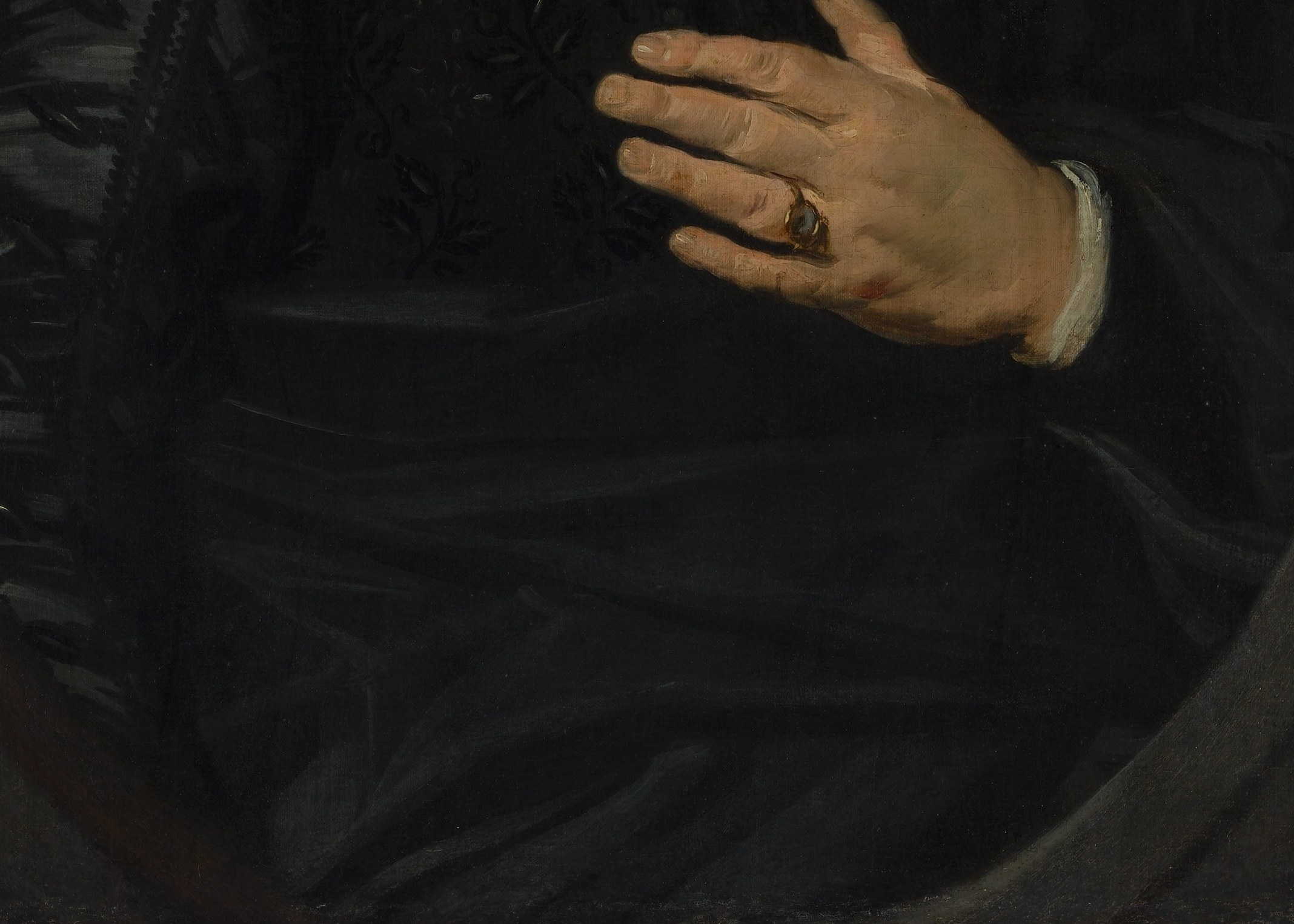
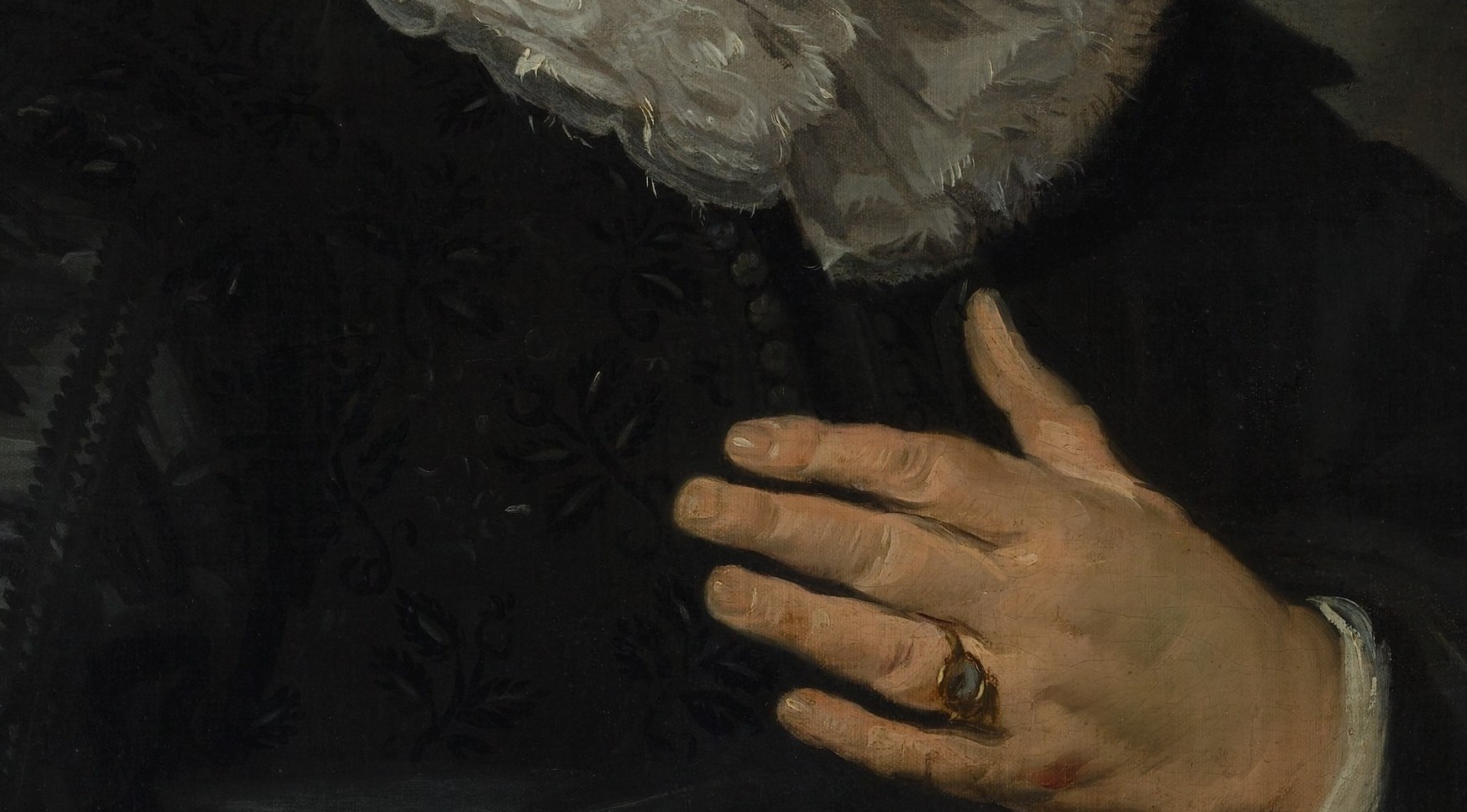
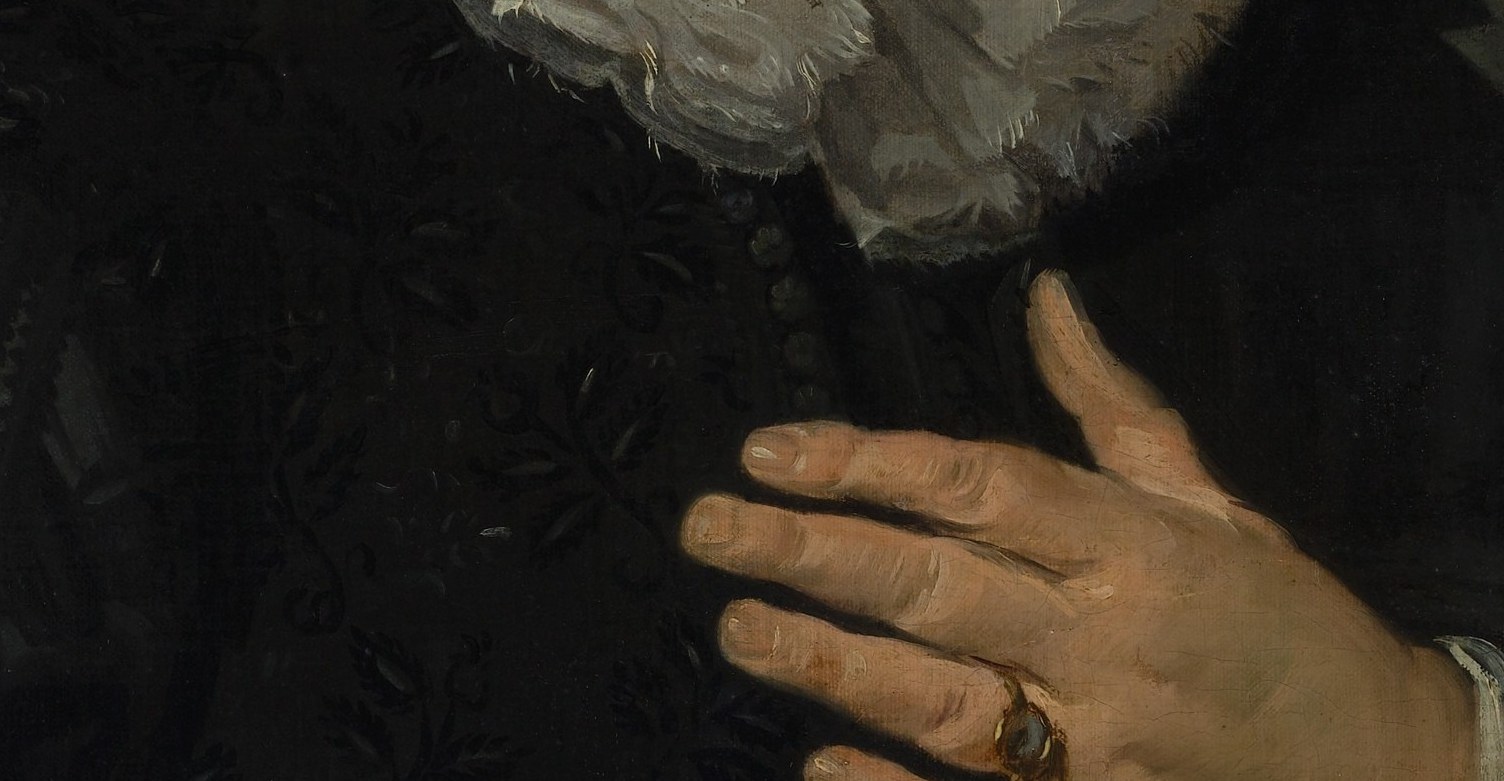
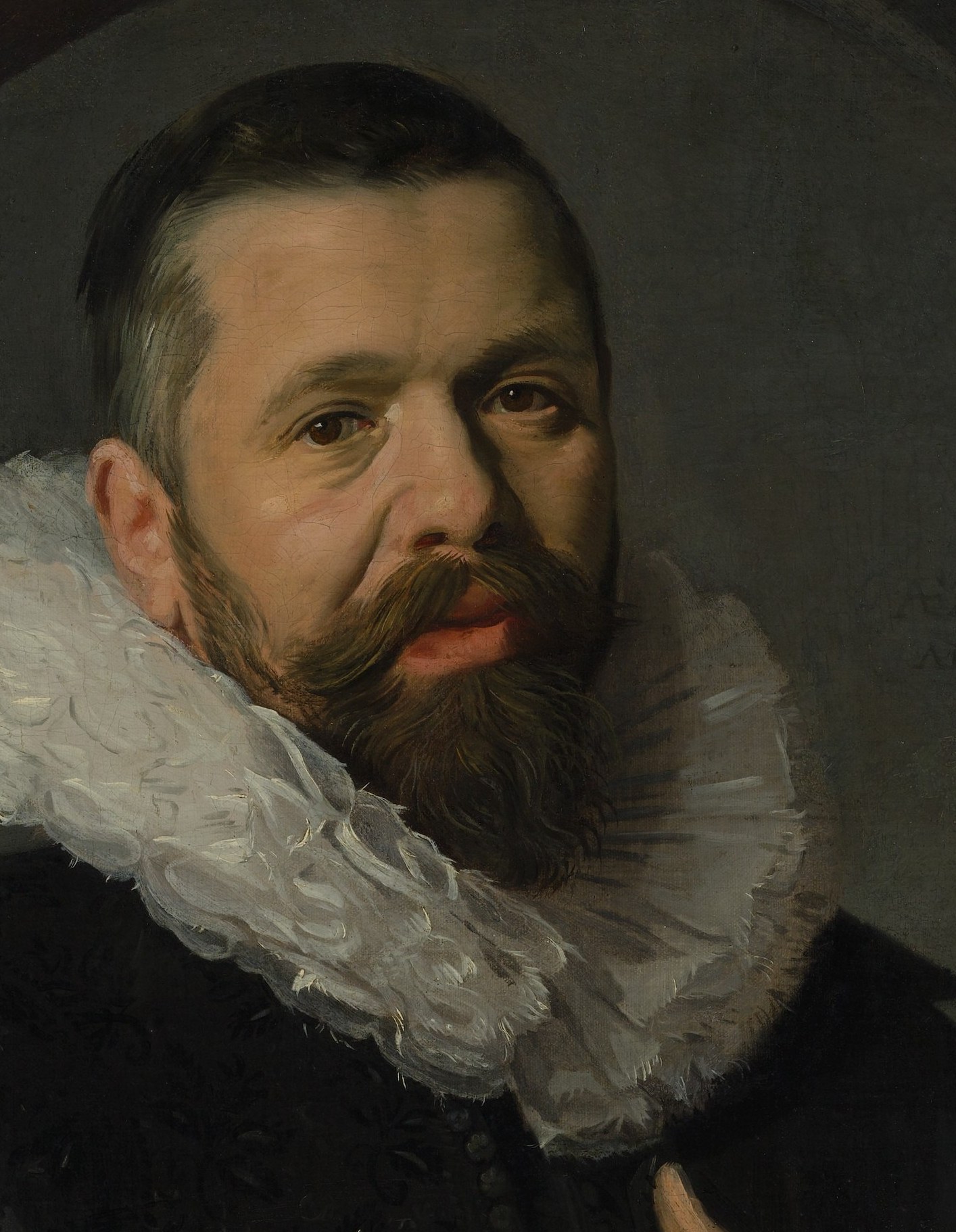
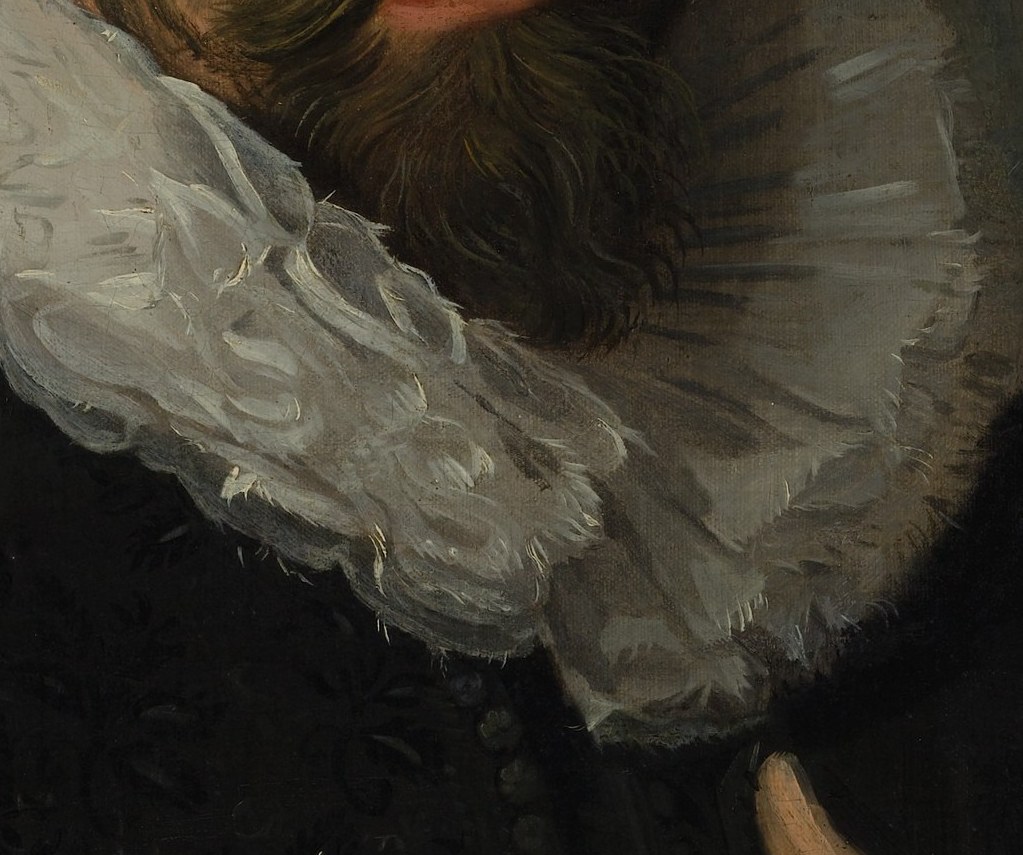
This is Frans Hals's 'Portrait of a Bearded Man with a Ruff,' painted in 1625. The subject is an unknown Haarlem burgher, but the real star is the brushwork. Hals used a technique his contemporaries called 'the rough manner', a shockingly loose, rapid application of paint that reads as pure abstraction up close but resolves into convincing lace, wool, and flesh from a few steps back.
Zoom in on the ruff. What looks like intricate lace is a series of quick, overlapping flicks of lead white. Hals didn't painstakingly trace every thread. He learned that the eye, given just enough suggestion, completes the illusion itself. The black doublet is the same trick: broad, directional strokes of dark pigment create the weight and texture of wool without a single smooth blend.
Hals lived and worked in Haarlem during the Dutch Golden Age, a period when the newly wealthy merchant class wanted their portraits painted. Unlike many of his peers who favored a polished, almost invisible finish, Hals brought an energetic, animated hand to his commissions. This approach would not become mainstream for another two hundred years, when the Impressionists made visible brushwork a virtue.
This painting is a masterclass in economy. Every mark does the work of twenty. What in 1625 might have looked unfinished now reads as pure genius.
Details
Transcript
A citizen of Haarlem, 1625. Nothing is as smooth as it seems. Step closer. The black wool is not blended. It's built with broad, dry strokes. Now look at the lace collar. It dissolves into rapid shorthand marks. Impressionism was two centuries away but Hals got there first. He called it 'the rough manner'. His clients paid for it.