Self-Portrait by Umberto Boccioni
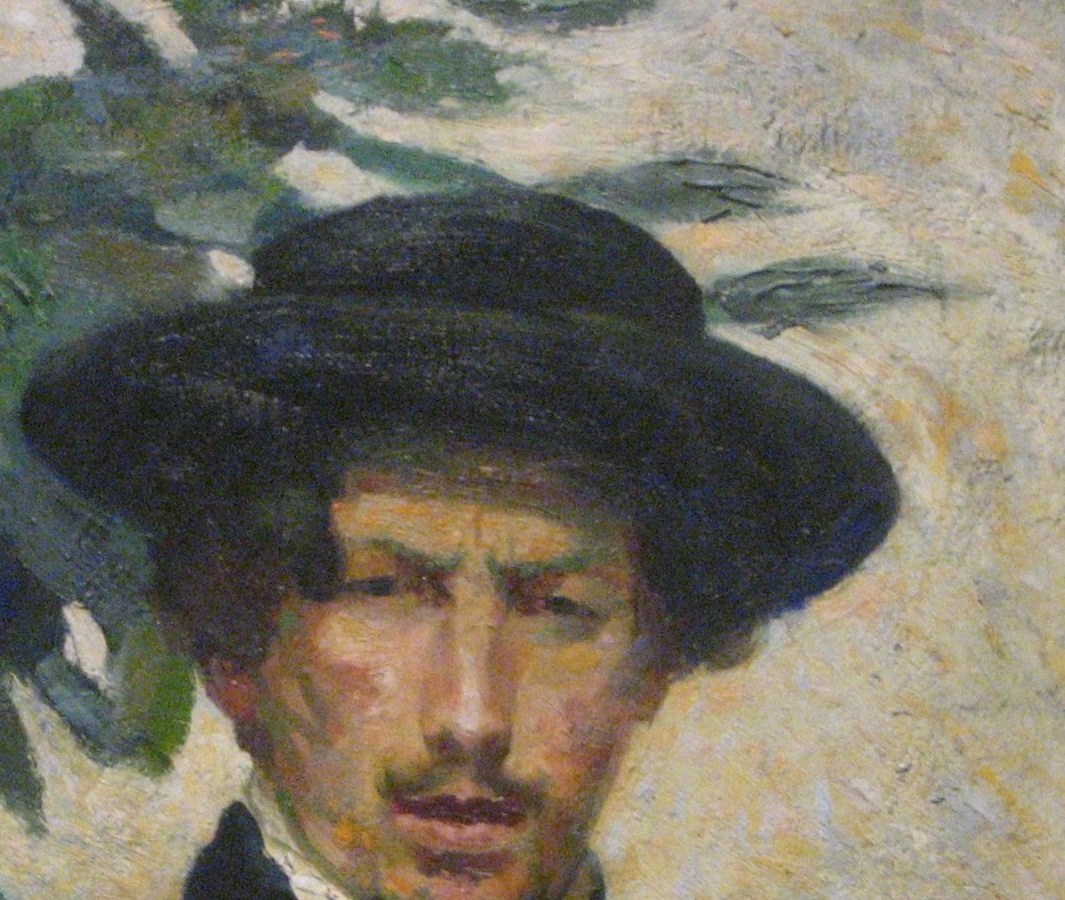
Umberto Boccioni's "Self-Portrait," painted in 1905, offers a rare glimpse into the early career of one of Futurism's foundational figures. This oil painting, held at The Metropolitan Museum of Art, shows the artist at age 22, years before he would co-author the Futurist Manifesto.
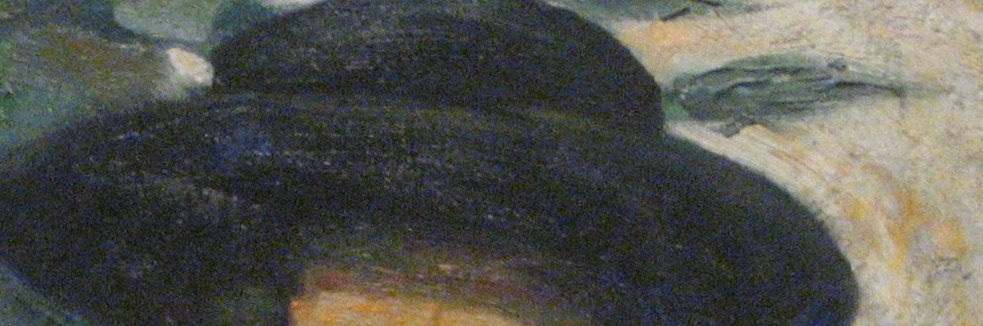
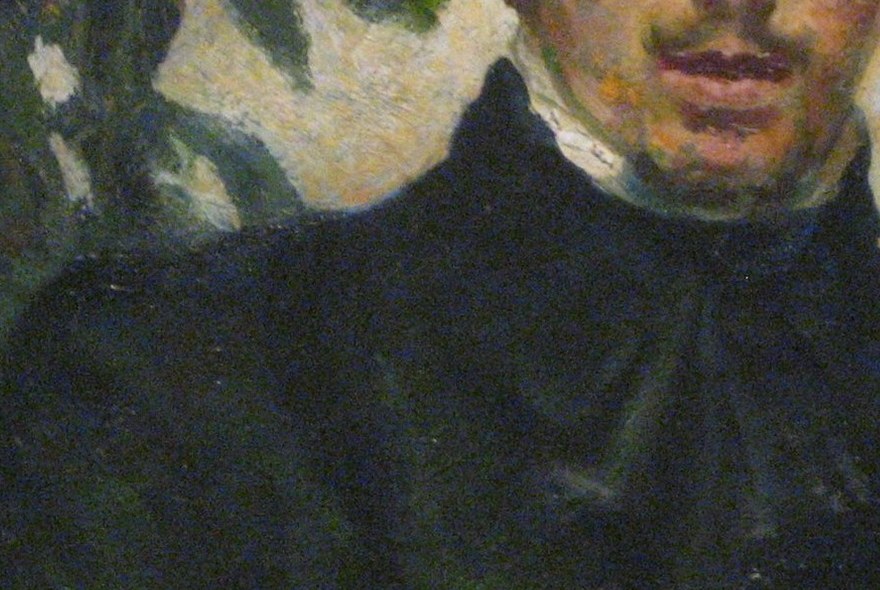
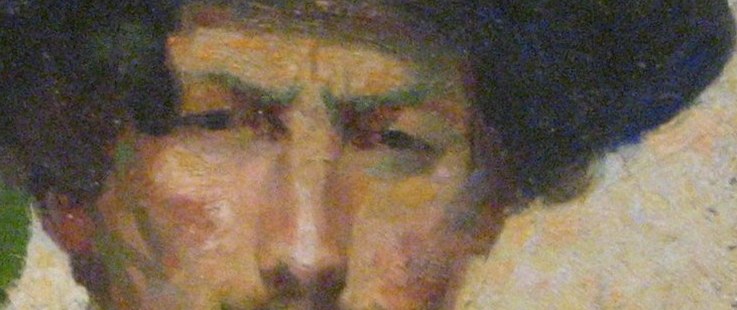
Look closely at Boccioni's intense, introspective gaze and the prominent mustache that defines his self-image. The visible brushwork, particularly in his dark coat, hints at the vigorous application of paint and textural experimentation he would later push to revolutionary extremes in his Futurist works.
Boccioni, who died young in 1916, was instrumental in shaping the Futurist movement, which focused on speed, technology, and dynamism. This early self-portrait, however, reveals a thoughtful artist still exploring his style, capturing a moment of quiet self-scrutiny before the eruption of avant-garde energy that would define his legacy.
What do you see in this early work that suggests the future of modern art?
Details

Transcript
This is Umberto Boccioni, age 22. He would become a founder of Italian Futurism. But look at the intense gaze of his eyes. He captures his own likeness with direct introspection. Notice the impasto, thick brushstrokes in his coat. He experiments with paint application, visible even here. This early work hints at the dynamism to come.