Man in Oriental Costume by Rembrandt van Rijn
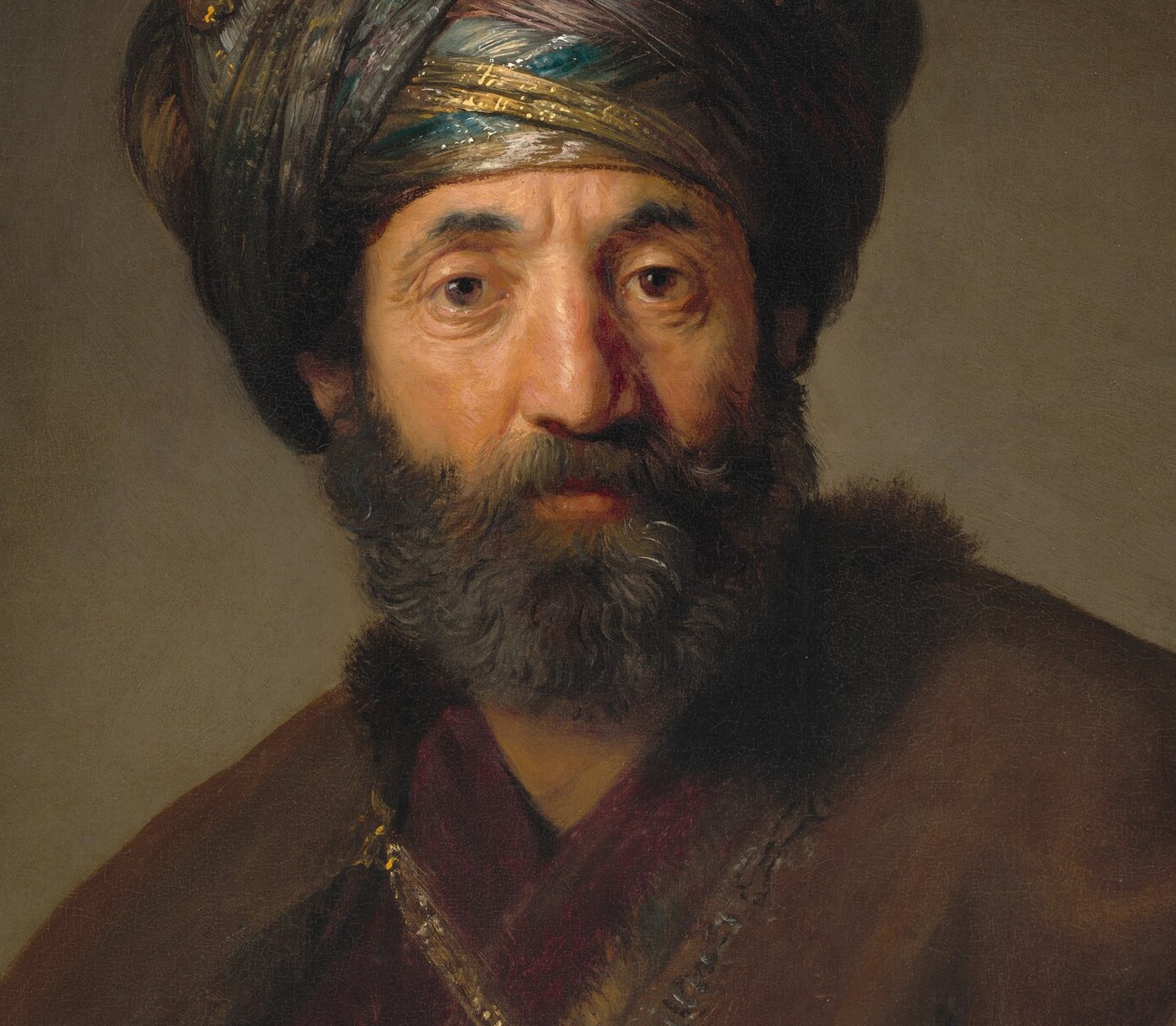
Rembrandt van Rijn’s Man in Oriental Costume, painted around 1635, lives at the Metropolitan Museum of Art. The painting is not a portrait of a real person but a tronie, a study of exotic costume, facial expression, and the way light falls across different surfaces.
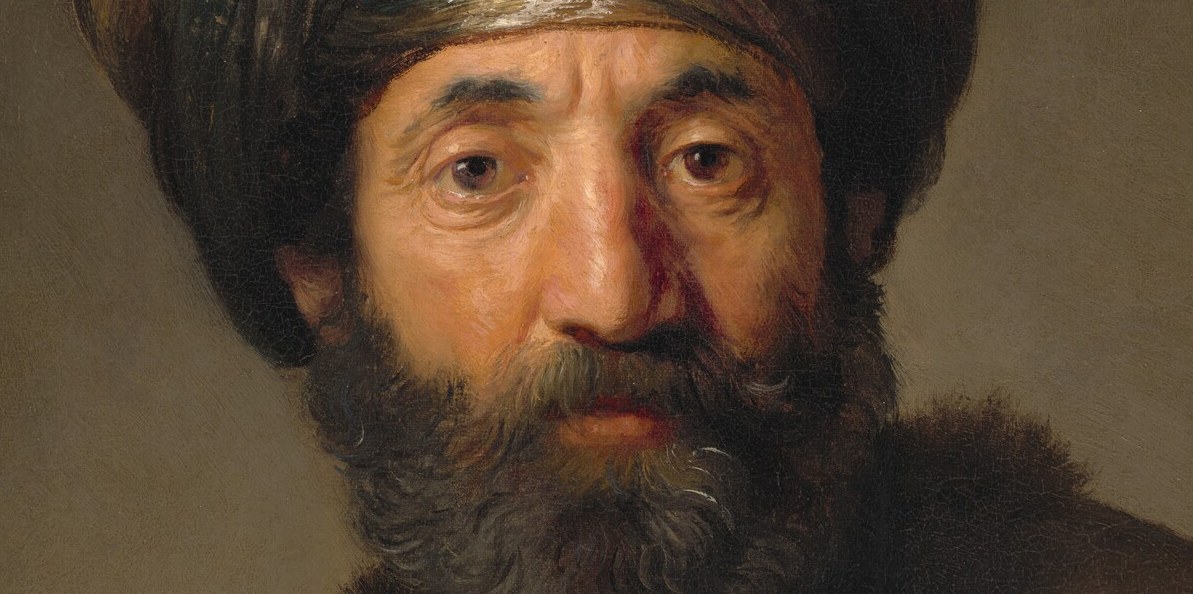
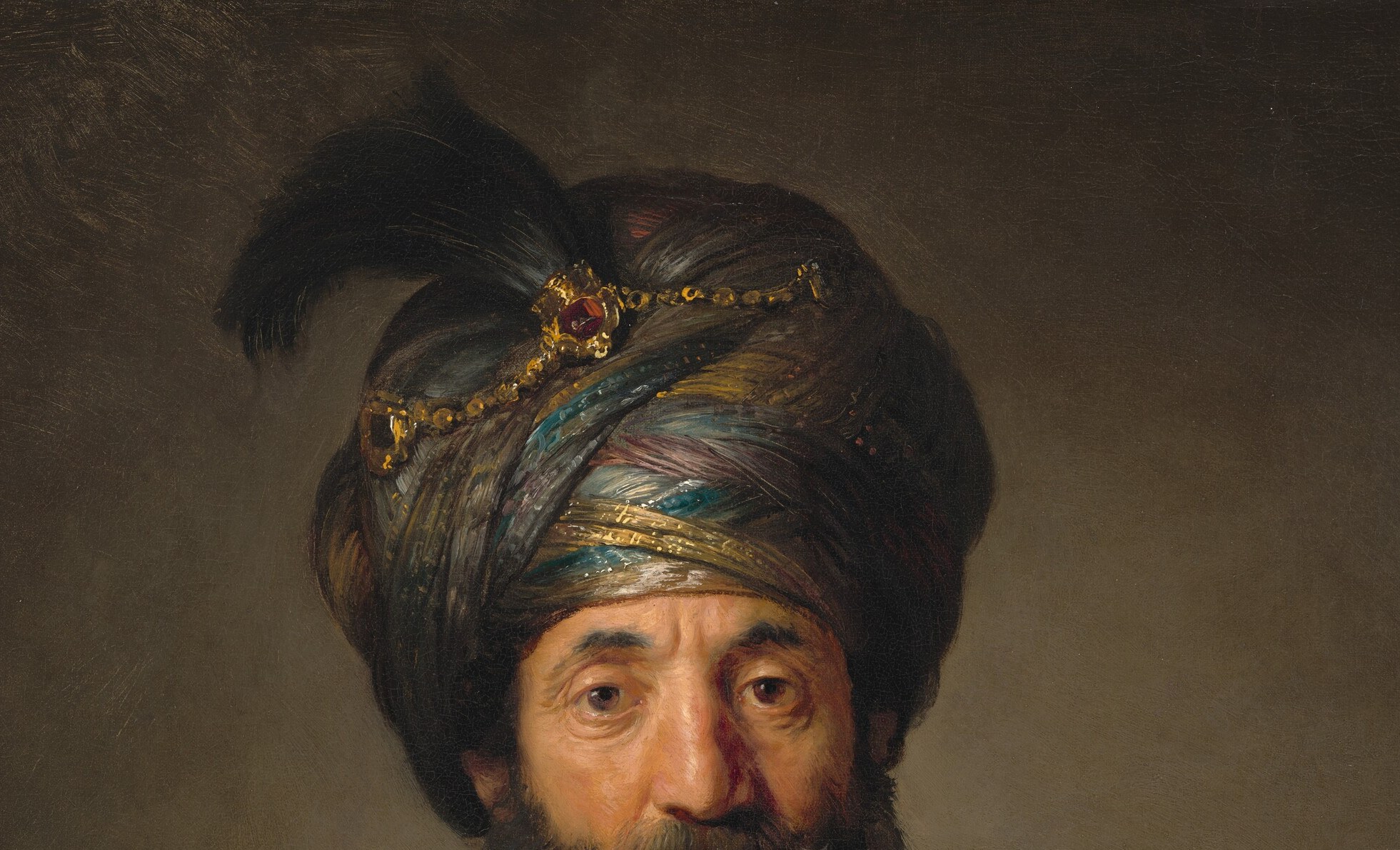
Rembrandt divides the face in two: a warm-lit cheek and a shadowed half that is not black but a translucent brown. The turban is a virtuoso exercise in painting without outlines, each fold a separate tonal passage. A small jeweled brooch catches the primary light source and anchors the whole headdress.
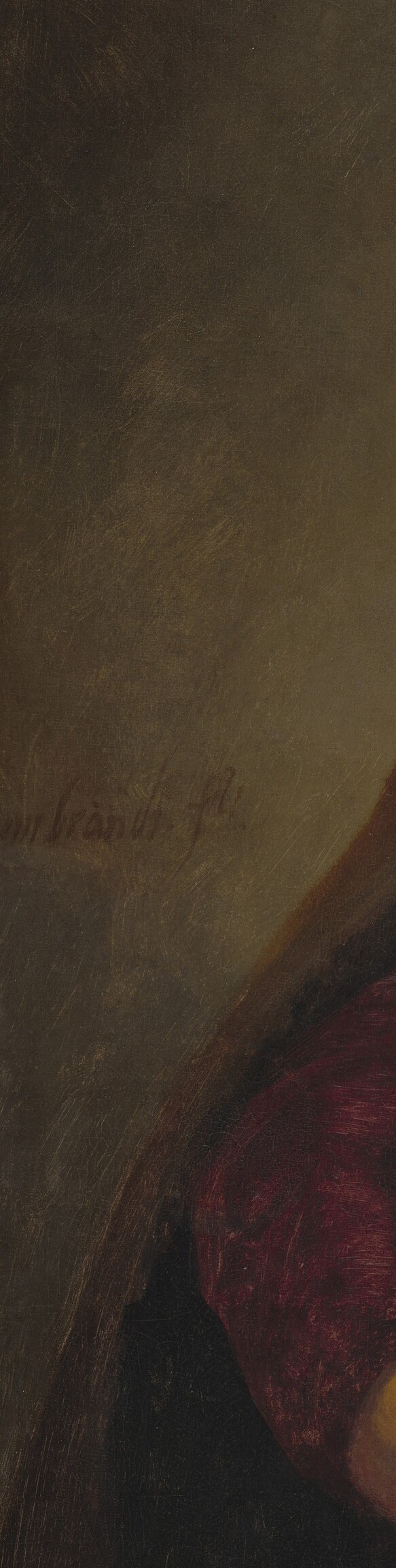
The real hidden detail is the background. What looks like a flat dark void is actually alive with faint warm and cool tones. Rembrandt understood that shadow retains color. The figure does not sit against a backdrop; he seems to emerge from a breathing atmosphere. This subtle truth was nearly invisible among his contemporaries and rewards anyone who stops to look closely.
How often do we assume a dark background is empty?
Details

Transcript
You would be forgiven for scrolling past this. A Dutchman dressed as an Ottoman, painted to study exotic cloth. It was never a portrait of a real person. Rembrandt called this a tronie: a study of face and fabric. Now look at the darkness behind him. Rembrandt did not paint black. Warm brown bleeds into cool shadow. He emerges from the air.