Madonna and Child by Lippi, Filippo, Fra
View the artwork: Madonna and Child →
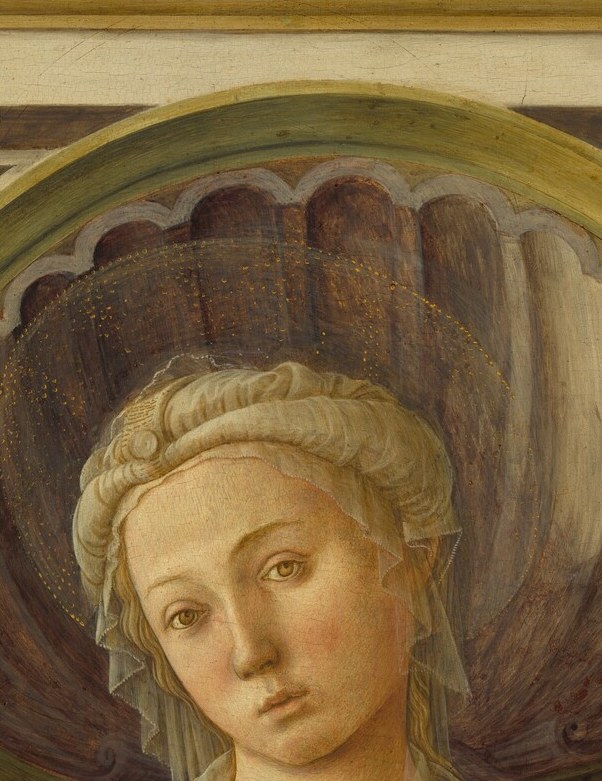
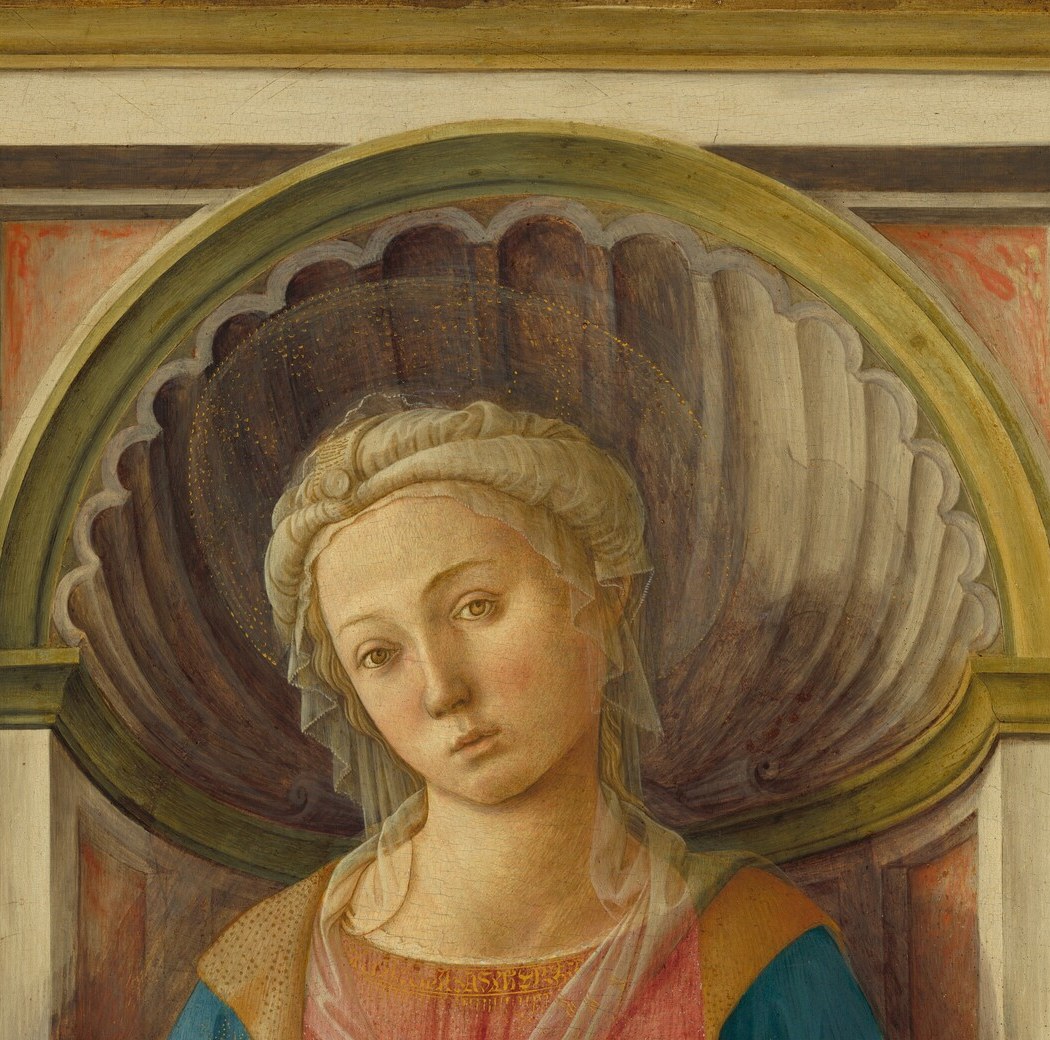
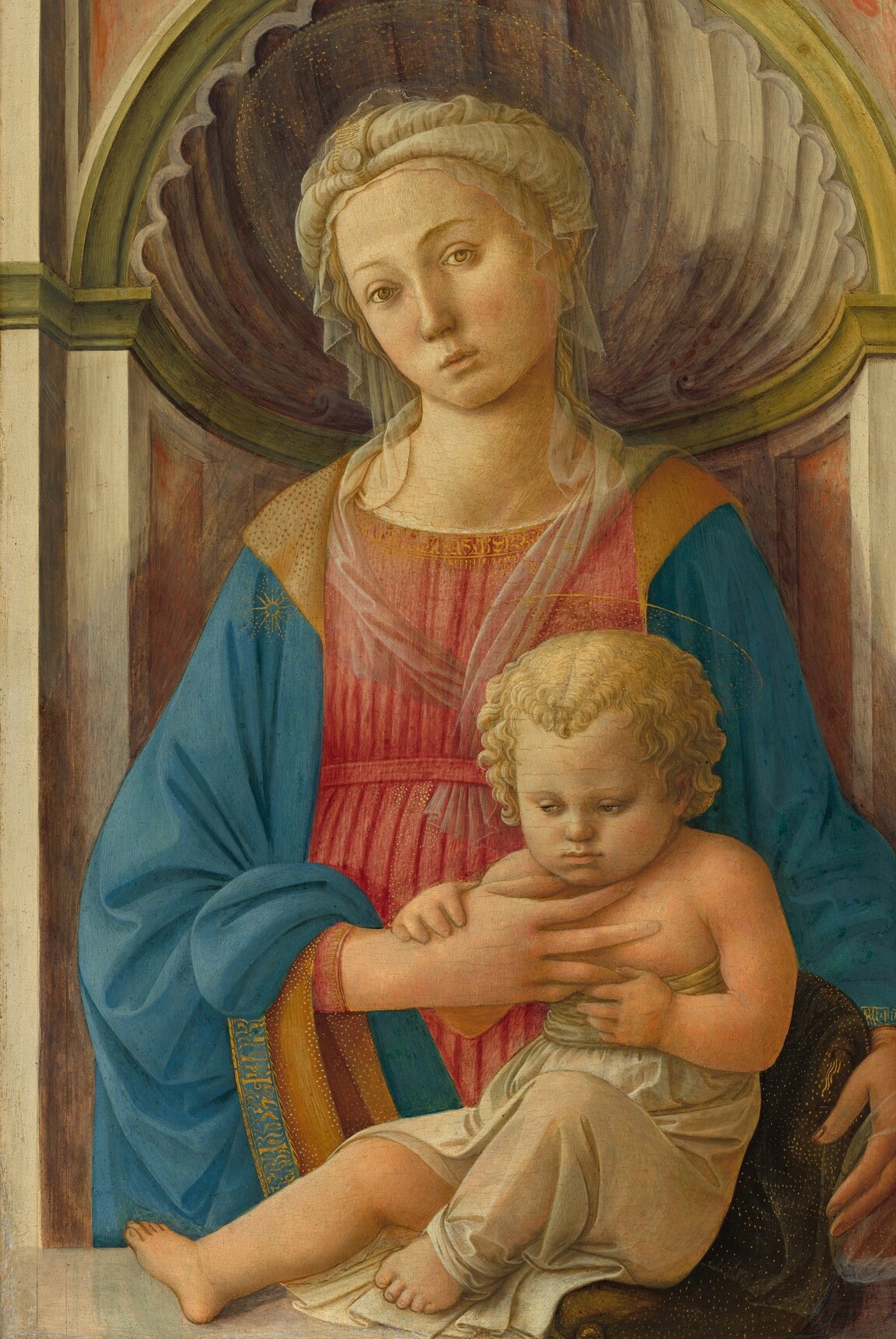
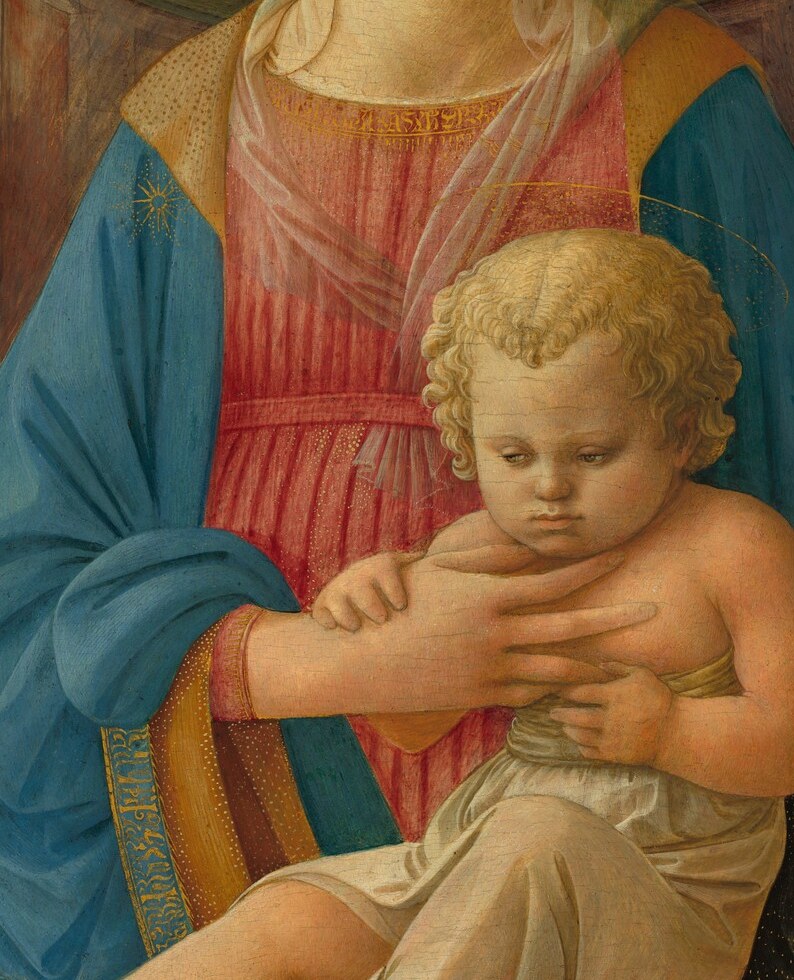
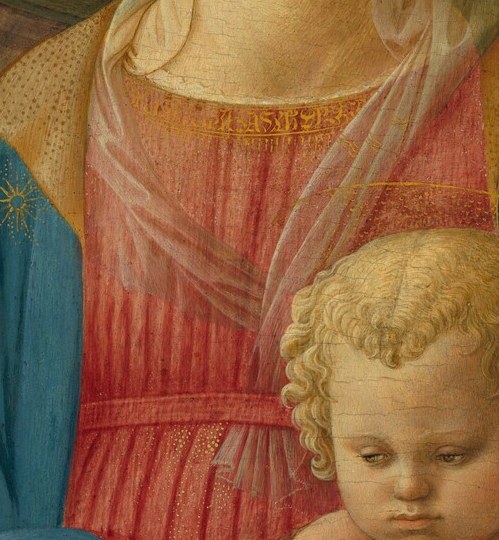
Fra Filippo Lippi's 'Madonna and Child', painted around 1440, is a marvel of patience disguised as a devotional image. Look closely at the Virgin's blue mantle. That deep, brilliant blue is lapis lazuli, ground from a semiprecious stone imported from Afghanistan and, in the 15th century, literally worth its weight in gold. Lippi's patron was paying for more than color; he was paying for a miracle of technique.
Tempera paint dries almost instantly. A painter cannot blend wet into wet the way an oil painter can, softening one tone into the next. So Lippi did something else. Press in on the blue folds. The volume, the deep shadows and rounded highlights, are built from hundreds of individual hairline brushstrokes laid side by side, a technique called hatching. From a normal viewing distance the eye fuses them into solid form. Up close, you see the labor.
Lippi was an orphan raised in a Carmelite convent in Florence, where he absorbed the weighty, sculptural naturalism of Masaccio's frescoes. By the 1440s he was a favorite of the Medici, and his workshop would later train Sandro Botticelli. This panel, small enough for a private chapel or bedchamber, transforms a tender mother-and-child moment into a monumental, sculptural presence through the architecture of the shell niche and the physical heft of the drapery.
What you're really looking at is a painter who has taken the fastest-drying medium he had and, through sheer control, made it perform a slow, sculptural illusion. Find the place where the blue folds gather deepest shadow. That isn't blended paint. It's a hundred tiny lines, and every one of them was a choice.
#arthistory #renaissance #fralippolippi
Details
Transcript
Around 1440, in Florence, a painter set himself a test. His Madonna looks at you with a tenderness you can feel. But look past her face, into the blue. Lapis lazuli, ground from stone worth its weight in gold. Tempera dries fast. No blending. So Lippi built the folds stroke by stroke. Hundreds of parallel hairlines. Each one laid next to the last. From nothing but lines on a flat panel, a mountain of fabric rises.