Portrait of Elizabeth Spiegel by Dirck van Santvoort
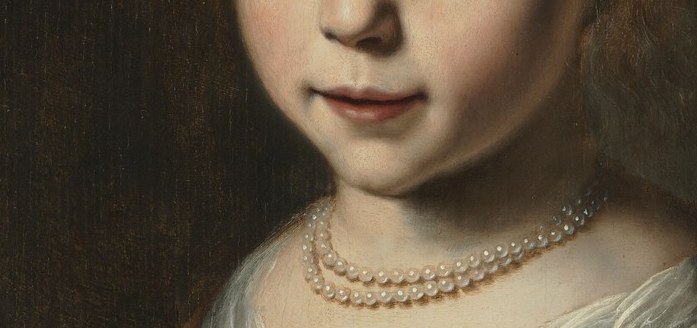
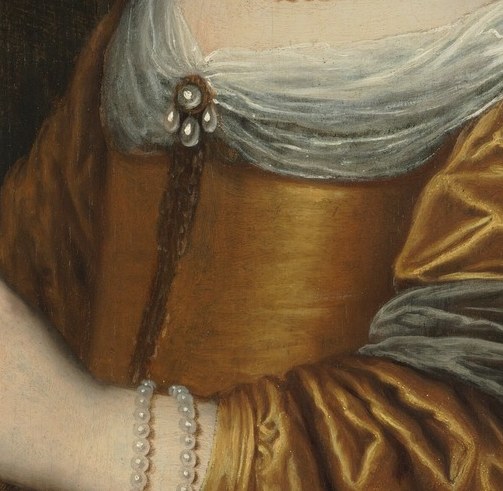
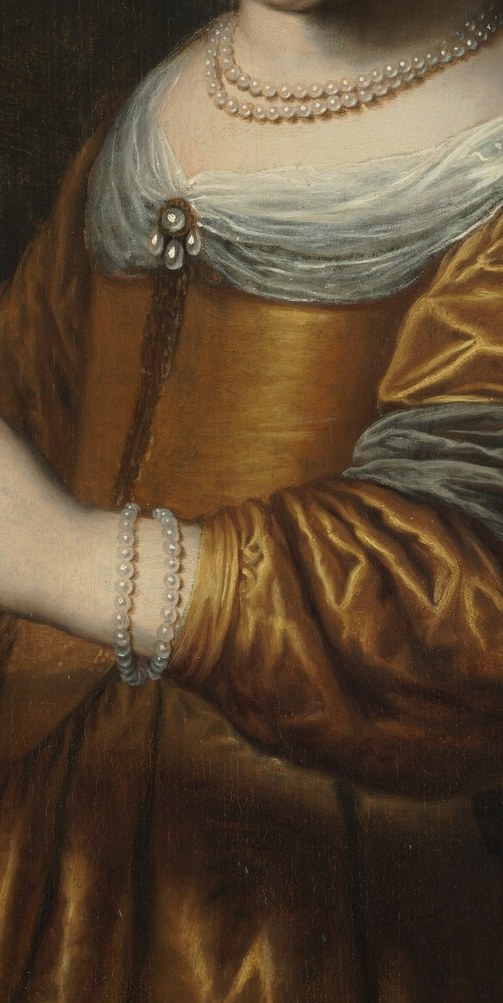
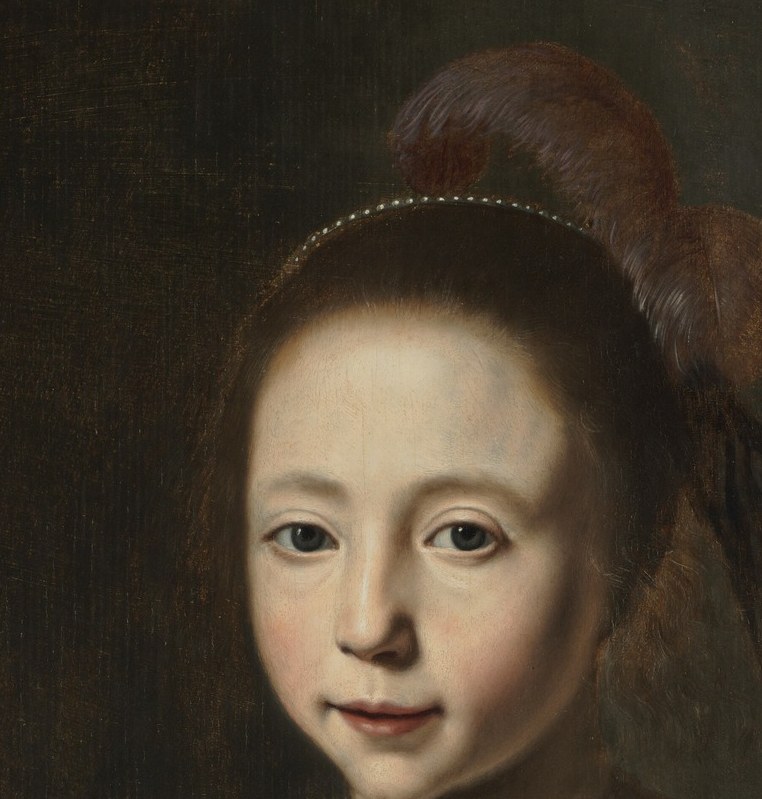
Dirck van Santvoort's "Portrait of Elizabeth Spiegel" from 1639, now in a private collection, tells a subtle story of ambition and education. While Elizabeth's luxurious attire and pearls certainly speak to her family's wealth, the most telling detail might be easily overlooked.
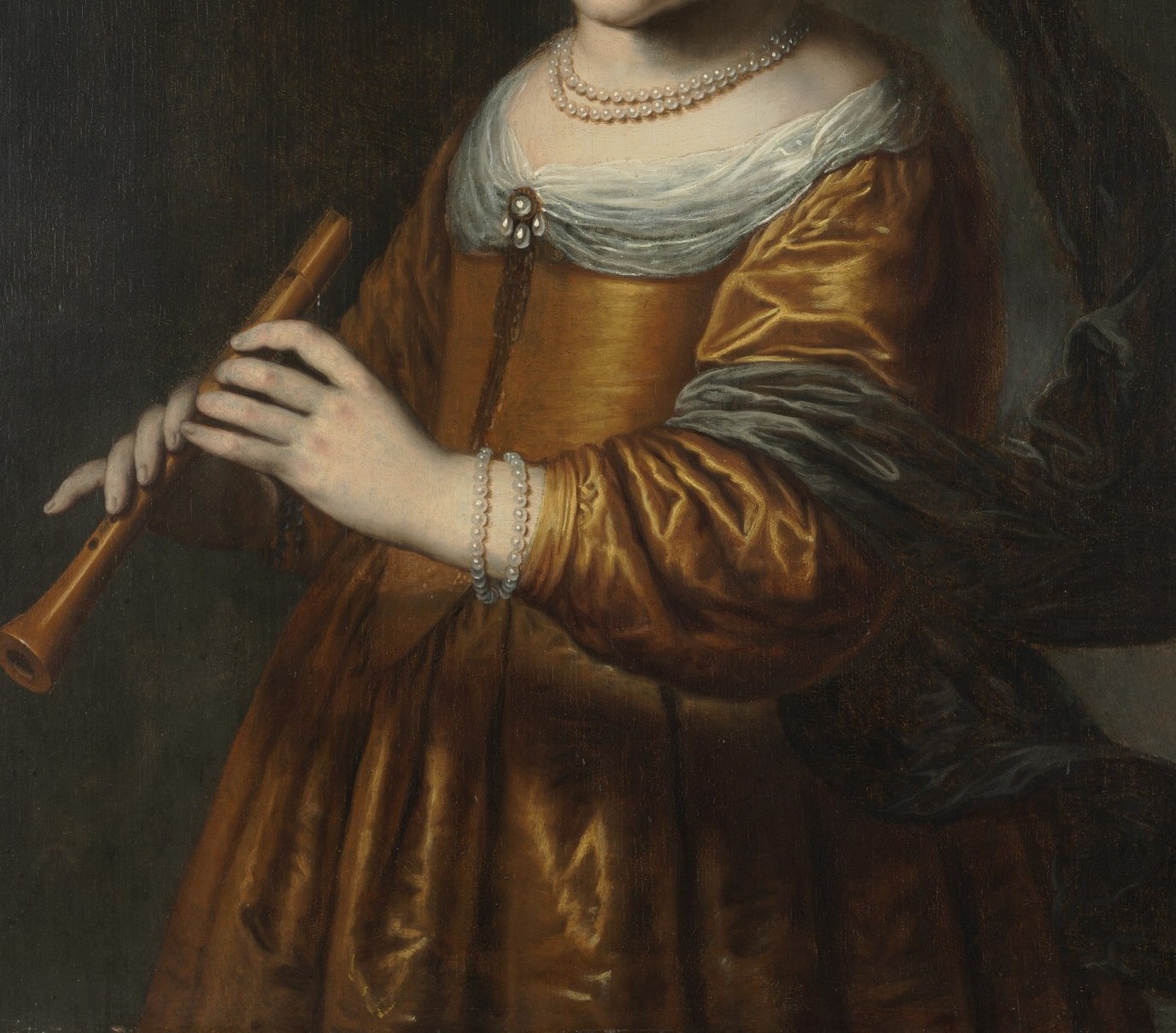
Observe her hands, delicately gripping a wooden recorder. This isn't just a casual prop; it's a carefully chosen attribute. In 17th-century Dutch society, musical training was a cornerstone of elite female education, a sign of cultivation and refinement.
By including the recorder, Elizabeth's parents were making a deliberate statement about her upbringing and their social standing. Van Santvoort, an Amsterdam artist, meticulously captured these details, creating a portrait that is as much about social narrative as it is about individual likeness.
What other hidden details do you think might tell a story in portraits?
Details
Transcript
This is Elizabeth Spiegel, painted in 1639. She wears pearls and fine lace, a symbol of her family's wealth. But look closely at her hands. She holds a recorder, an attribute, not a mere prop. Musical training was essential for elite girls then. Her parents commissioned this portrait to show it.