Cottage on the dirt road by Anton Mauve
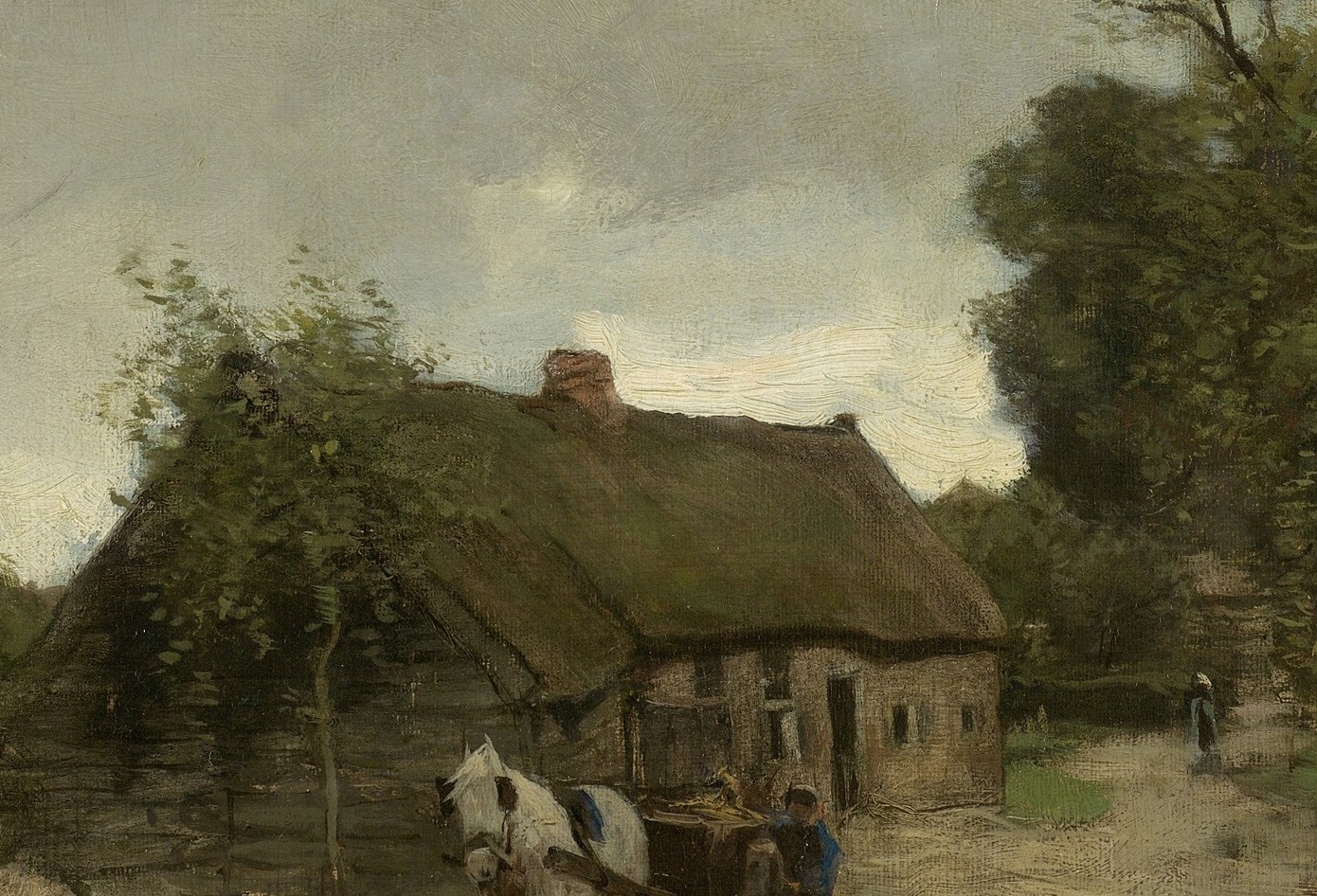
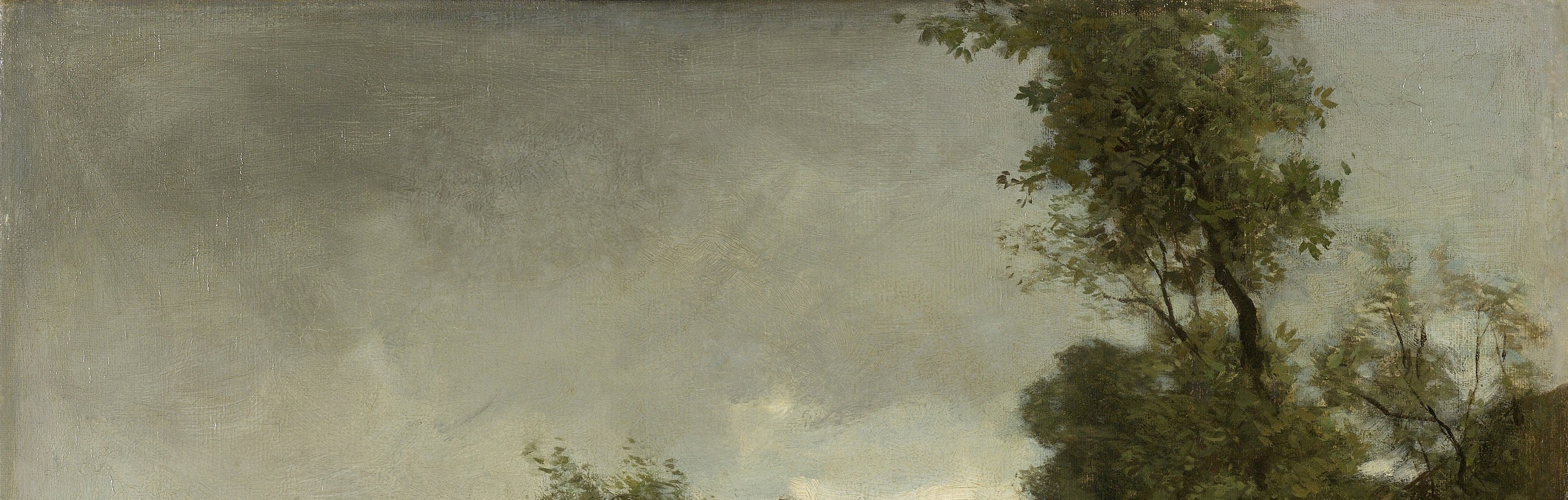
This is Anton Mauve's *Cottage on the Dirt Road*, painted in 1890, now in the Rijksmuseum. It was stolen in 1933 from a German Jewish collector fleeing the Nazis, then hidden behind a false wall in an Amsterdam attic for over four decades.
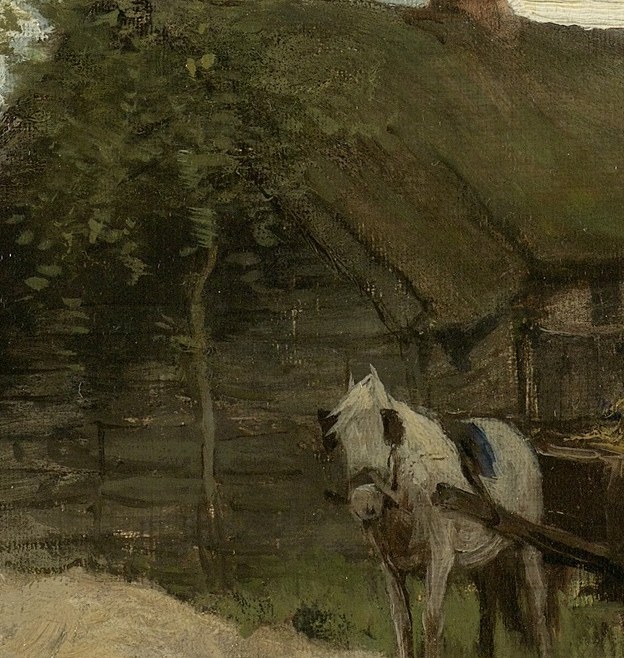
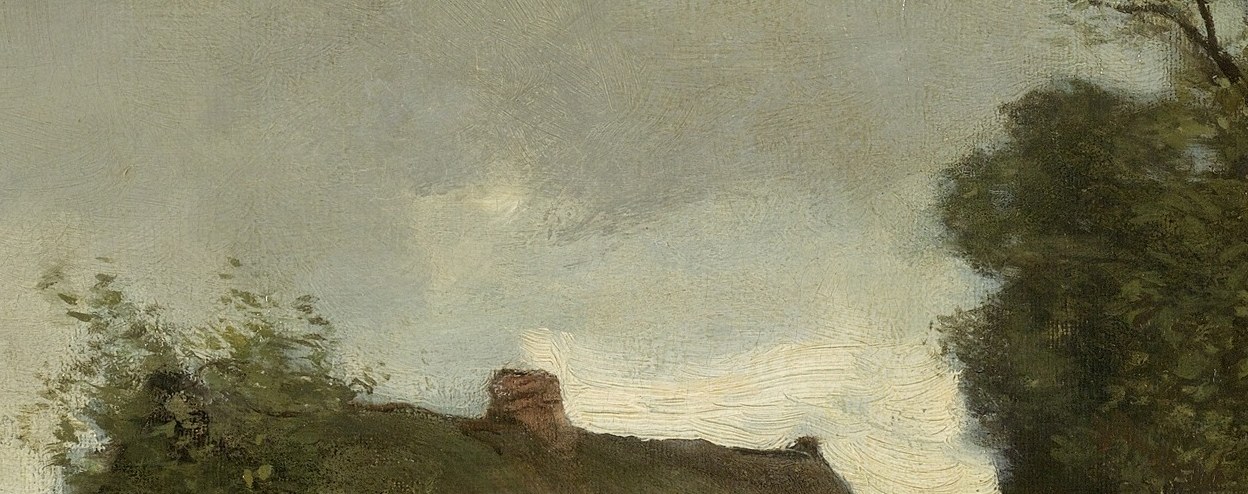
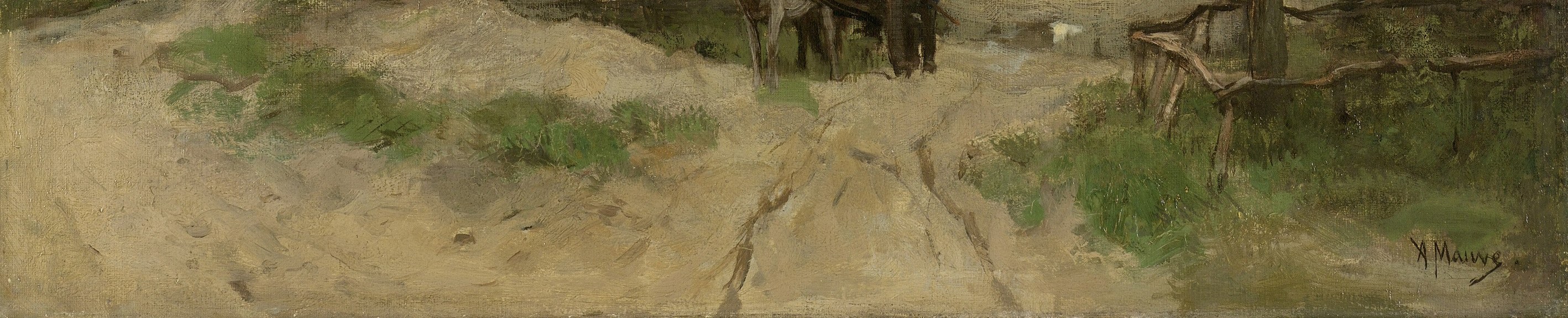
Look at the dusty road in the foreground, the brightest passage in the whole composition. Mauve used a warm cream tone there, set against a cool, graduated grey sky, a tonal signature of the Hague School. The man paused beside the horse cart is a tiny but deliberate anchor; Mauve believed rural labour gave a landscape its moral weight.
The painting only resurfaced in 1977 when the man who concealed it died and the false wall was opened. Its survival is a small, strange footnote in the larger story of Nazi art looting. Mauve himself never knew any of this, he died suddenly in 1888, just two years after his cousin-in-law Vincent van Gogh arrived in Paris.
A modest painting. An unmodest history.
Details
Transcript
For over 40 years, this painting was missing. A quiet cottage on a dirt road. A modest Dutch landscape. It was stolen in 1933 from a Jewish collector fleeing Germany. The man paused mid-task has watched this scene for 135 years. The new owner hid it behind a false wall in his Amsterdam attic. He kept it secret until his death in 1977. Then the wall was opened. Mauve painted this dusty road the year before he died.