Portrait of Maharaja Savant Singh with Consort, Bani Thani by Nihâl Chand
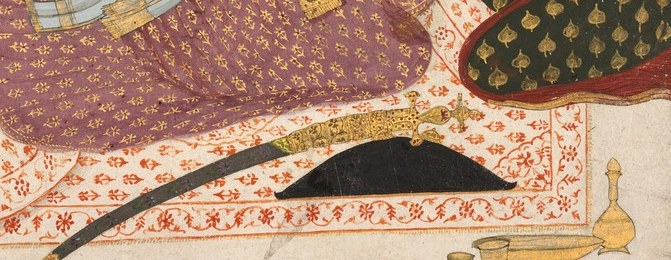
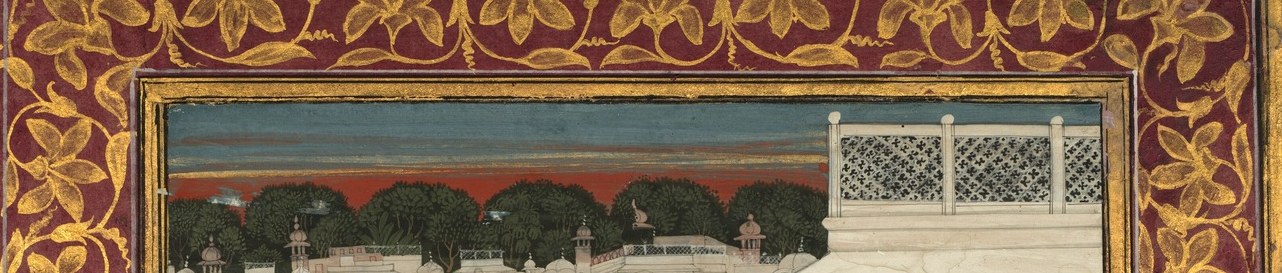
This 1752 painting, "Portrait of Maharaja Savant Singh with Consort, Bani Thani," by Nihâl Chand, tells a love story that shaped an entire style of art. Held at The Cleveland Museum of Art, it's a prime example of the refined Kishangarh style within Rajput painting.
Look closely at the intimate exchange between Maharaja Savant Singh and Bani Thani, a singer and poet at his court. Their gazes, subtle yet intense, reveal a deep connection, elevated by the artist's unique vision.
Nihâl Chand, himself a poet, often portrayed the royal couple not just as individuals, but as divine figures, Krishna and Radha. This spiritual interpretation imbued their likenesses with a profound, idealized love that became a hallmark of the Kishangarh school.
The elongated features and delicate lines are characteristic of Nihâl Chand's work, making this painting a significant piece in art history. It's a testament to how personal stories can inspire enduring artistic movements.
Details
Transcript
This 1752 painting shows Maharaja Savant Singh with his consort. She was Bani Thani, a poet and singer at his court. Their eyes lock in a deeply intimate moment. The painter was Nihâl Chand, also a poet and devout follower. He often depicted them as divine lovers, Krishna and Radha. Their story became the heart of Kishangarh painting.